
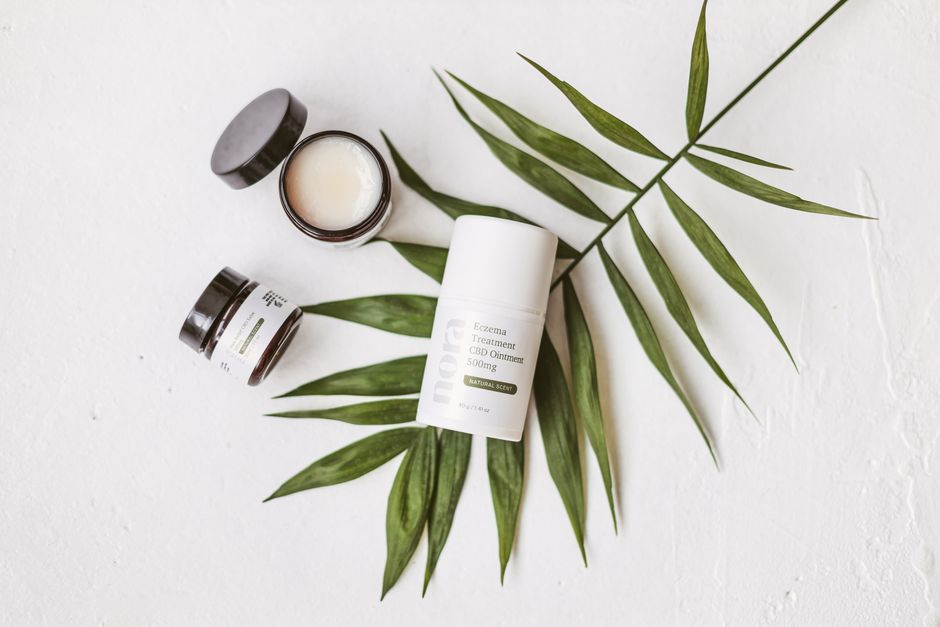
Eczema itch is not normal itch. It comes from an overactive immune response that releases substances like histamine and interleukin-31, directly stimulating nerve fibers in the skin. A damaged skin barrier lets irritants and allergens in, making the itch-scratch cycle worse. Relief comes from repairing the barrier with moisturizers, calming inflammation with corticosteroids, and breaking the itch cycle with antihistamines or other prescription treatments.
What Causes the Intense Itch of Eczema?
Eczema, also called atopic dermatitis, is a chronic inflammatory skin condition. The itch is driven by a complex immune reaction. Specialized immune cells release proteins called cytokines, particularly interleukin-31 (IL-31). IL-31 directly activates itch-sensing neurons in the skin. This is different from a mosquito bite, where histamine plays a bigger role.
The skin barrier in people with eczema is often weak due to a lack of certain fats and proteins. This allows water to escape and irritants to enter. When the barrier is leaky, even mild triggers like dry air or wool can set off inflammation and intense itch. The itch is not just on the surface — it comes from deeper layers of the skin.
Why Does Eczema Itch Get Worse at Night?
Many people with eczema report that the itch becomes unbearable at night. Several factors explain this. Body temperature naturally rises in the evening, which can worsen inflammation. Cortisol levels drop at night, reducing the body’s natural anti-inflammatory protection. And without daytime distractions, you become more aware of the itch.
Scratching during sleep is common. This damages the skin further and releases more inflammatory substances, creating a cycle that is hard to break. Keeping the bedroom cool, using cotton sheets, and applying a thick moisturizer before bed can help reduce nighttime itch.
Why Does Eczema Itch So Bad And How To Get Relief?
The severity of eczema itch comes from the combination of a defective skin barrier, ongoing inflammation, and direct nerve stimulation. Relief requires addressing all three factors. The most effective approach is a daily skin care routine that restores the barrier. Apply a fragrance-free moisturizer within three minutes of bathing. Use emollients with ceramides, petrolatum, or dimethicone.
For active flare-ups, topical corticosteroids reduce inflammation. Over-the-counter hydrocortisone can help mild cases, but stronger prescription steroids may be needed for moderate to severe eczema. Use them exactly as directed — overuse can thin the skin. Topical calcineurin inhibitors like tacrolimus and pimecrolimus are another option, especially for sensitive areas like the face. They do not contain steroids.
Oral antihistamines can help with sleep if taken at night, but evidence that they significantly reduce eczema itch during the day is weak. Some people find relief with anti-itch creams containing pramoxine or menthol. Wet wrap therapy — applying a moisturizer then covering with damp cotton — can provide rapid relief during severe flares.





What Are Common Triggers for Eczema Itch?
Identifying and avoiding triggers is a key part of managing eczema itch. Common triggers include:
- Dry skin — low humidity, cold weather, harsh soaps
- Irritants — wool, synthetic fabrics, fragrances, detergents
- Allergens — dust mites, pet dander, pollen, mold
- Infections — bacteria like Staphylococcus aureus can worsen eczema
- Stress and sweating
- Some foods — especially in infants and young children with a known food allergy
Not every person with eczema reacts to the same triggers. Keeping a symptom diary can help you identify patterns. Eliminate one trigger at a time and note changes in itch intensity.
How to Prevent Eczema Flare-Ups and Itch
Prevention centers on a consistent skin care routine. Bathe or shower daily in lukewarm water for 5 to 10 minutes. Use a gentle, fragrance-free cleanser. Pat the skin dry and immediately apply moisturizer while the skin is still damp. This locks in moisture better than applying moisturizer to dry skin.
Choose moisturizers labeled “ointment” or “cream” rather than lotions, because they have more oil. Petroleum jelly is a simple, effective option. Avoid products with fragrances, dyes, and botanical extracts that can irritate sensitive skin. Wear soft, breathable fabrics like cotton. Keep nails short to reduce skin damage from scratching.
Manage stress with relaxation techniques, adequate sleep, and exercise. If you have known allergies, take steps to reduce exposure — for example, use dust-mite-proof covers on pillows and mattresses, and keep pets out of the bedroom. Discuss with your doctor whether prescription medications like dupilumab or crisaborole are appropriate for your case.
Is There a Link Between Food and Eczema Itch?
The role of food in eczema is debated. In some people, especially infants and young children with moderate to severe eczema, food allergies can trigger flares. Common culprits include cow’s milk, eggs, peanuts, soy, and wheat. However, food triggers are much less common in adults with eczema.
Elimination diets should only be done under the guidance of a doctor or allergist. Unsupervised food restriction can lead to nutritional deficiencies. If a specific food is suspected, allergy testing — skin prick tests or blood tests — can help confirm. Even with a confirmed allergy, avoiding the food may only partially improve eczema itch.
When to See a Doctor for Eczema Itch
See a doctor if over-the-counter treatments do not control the itch after two weeks. Also seek medical attention if you notice signs of skin infection: increased redness, warmth, swelling, pain, yellow crusting, or fever. Infections need prescription antibiotics.
A dermatologist can prescribe stronger medications such as high-potency topical steroids, oral immunosuppressants, or biologic drugs. For severe, persistent itch, newer treatments like dupilumab specifically target the immune pathways that cause eczema inflammation. These options are effective but require a doctor’s supervision.
Frequently Asked Questions
Can eczema itch spread to other parts of the body?
Yes. The itch itself does not spread, but scratching can transfer irritants and bacteria, causing new patches of eczema on other areas. The skin reaction can also spread through the bloodstream if inflammation is severe.
Is it safe to scratch eczema?
No. Scratching damages the skin barrier, worsens inflammation, and increases the risk of infection. Instead, apply a cold compress or anti-itch cream to relieve the urge to scratch.
How long does an eczema flare-up last?
Flare-ups can last from a few days to several weeks. With proper treatment — moisturizing and topical steroids — many people see improvement within one to two weeks without scratching.
What is the fastest way to stop eczema itch?
Applying an over-the-counter hydrocortisone cream and a thick emollient, then wrapping the area in a damp cotton cloth, can provide rapid relief in about 15 to 30 minutes. This is known as wet wrap therapy.
