
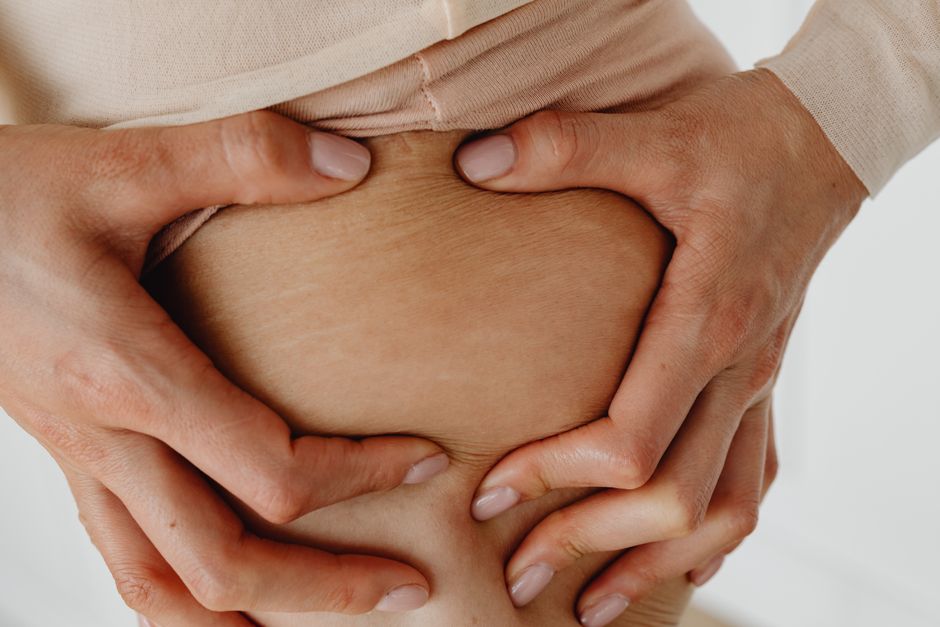
Stretch marks itch because the skin is actively changing structure. When skin stretches faster than it can keep up, the collagen and elastin fibers in the middle layer tear. Your body then sends inflammatory signals to repair that damage. That inflammation is what you feel as an itch. It is not a sign of something dangerous. It is a sign your skin is remodeling itself. The itch usually means the stretch marks are still in an early, active stage.
What Exactly Causes the Itch in Stretch Marks?
The itch comes from a mix of physical and chemical changes happening in your skin. When the dermis — the thick middle layer of skin — tears, your body starts a repair process. Immune cells rush to the area. They release chemicals called histamines and cytokines. These chemicals trigger the nerve endings in your skin. Your brain reads that signal as an itch.
Dryness makes it worse. Stretch marks form in areas where the skin barrier is already stressed. The damaged skin cannot hold moisture as well as healthy skin. Dry skin by itself can itch. Combine that with active inflammation and the itch gets much stronger.
One less obvious cause is the stretching of nerve fibers themselves. As the skin expands, the nerves stretch too. Stretched nerves can fire off random signals. Some of those signals get interpreted as itch rather than pain or pressure. This is not well studied in stretch marks specifically, but it fits with what we know about nerve behavior in other skin conditions.
Do All Stretch Marks Itch the Same Way?
No. The itch is strongest when stretch marks are new. Fresh stretch marks are red, purple, or pink. Doctors call these “striae rubra.” At this stage, the skin is inflamed and actively remodeling. The itch can be intense. It often comes and goes in waves. Heat, sweat, or tight clothing can trigger a flare-up.
Older stretch marks are white or silver. These are “striae alba.” The inflammation has settled. The tissue has scarred over. Most people report little to no itch once stretch marks reach this stage. If an old stretch mark starts itching, something else is likely going on. It could be a skin infection, an allergic reaction to a lotion, or a separate skin condition like eczema that happens to overlap with the scar.
The location matters too. Stretch marks on the belly during pregnancy often itch more than marks on the thighs or arms. The belly skin is under constant tension from the growing uterus. The skin also gets drier there due to the stretching. Both factors make the itch worse.
Why Do Stretch Marks Itch More at Night?
Many people notice the itch gets worse when they lie down. This is not just in your head. Your body’s natural cortisol levels drop at night. Cortisol is an anti-inflammatory hormone. When it dips, inflammation signals can feel stronger.
There is also a distraction factor. During the day, you are busy. Your brain has other things to process. At night, there are fewer competing signals. Your brain notices the itch more because there is nothing else to focus on. This is called sensory gating. It is the same reason a small noise can keep you awake at night but goes unnoticed during a loud workday.
Body temperature also plays a role. Your skin warms up slightly when you get into bed. Warmth increases blood flow to the skin. More blood flow means more inflammatory chemicals reach the nerve endings. The result is a stronger itch signal.





What Actually Helps Stop Stretch Mark Itching?
The evidence for most stretch mark creams is weak. Many products claim to prevent or treat stretch marks, but the research does not back that up. However, the itch is a separate problem from the marks themselves. And for itch relief, there are things that genuinely work.
Moisturizing is the first and most proven step. Dry skin itches. Keeping the skin hydrated reduces that component of the itch. The best evidence supports thick, simple moisturizers. Petroleum jelly is effective. So are creams with ceramides or shea butter. The key is applying them while the skin is still damp after a shower. This traps water in the outer layer of skin.
Cold packs can help in the moment. Cooling the skin numbs the nerve endings. It also reduces blood flow to the area, which lowers the amount of inflammatory chemicals reaching the nerves. A cold pack wrapped in a thin towel for 10 to 15 minutes can stop an intense itch episode quickly.
Some people report relief from over-the-counter hydrocortisone cream. This is a mild steroid that reduces inflammation. It can help, but do not use it for more than a few days in a row. Long-term steroid use thins the skin. And stretch marks are already areas of thinned, damaged skin. Using steroids on them for weeks is risky. If the itch does not improve after a few days of hydrocortisone, see a doctor.
| Method | How It Works | Evidence Level |
|---|---|---|
| Thick moisturizer | Reduces dryness-related itch | Strong |
| Cold pack | Numbs nerves, reduces inflammation | Strong |
| Hydrocortisone cream | Reduces inflammation short-term | Moderate – use with caution |
| Antihistamine pills | Blocks histamine, helps with sleep | Moderate – mainly for nighttime |
| Aloe vera gel | Cools and moisturizes | Weak – mostly anecdotal |
What Should You Avoid When Stretch Marks Itch?
Scratching is the obvious one. It provides temporary relief but makes things worse. Scratching damages the skin further. It triggers more inflammation. That creates a cycle of more itching. If you scratch hard enough to break the skin, you risk infection. And infection in scarred tissue is harder to treat.
Hot water is another common mistake. A hot shower feels good on an itchy spot. But heat increases blood flow and releases more histamine. The itch often comes back stronger within minutes after the shower. Stick to lukewarm or cool water on areas with active stretch marks.
Avoid harsh exfoliants. Some people think scrubbing the stretch marks will remove dead skin and help them heal. It does not. Stretch marks are scars, not surface skin flakes. Scrubbing them only irritates the already damaged tissue. If you want to exfoliate, use a soft cloth and gentle pressure. Do not use gritty scrubs or brushes on stretch marks.
Be careful with essential oils. Many natural health blogs recommend oils like lavender, tea tree, or peppermint for itching. These oils are strong irritants for some people. They can cause contact dermatitis, which looks and feels like a rash. That rash will itch far more than the original stretch marks. If you want to try an oil, patch test it on a small area of normal skin first. Wait 24 hours. If there is no reaction, it is probably safe to use on the stretch marks.
When Should You See a Doctor About Itchy Stretch Marks?
Most stretch mark itching is normal and temporary. But there are signs that something else is going on. If the itch is severe enough to wake you up at night regularly, that is worth mentioning to a doctor. If the skin around the stretch marks is red, warm, or oozing, you may have an infection. If the itch spreads beyond the stretch marks to surrounding healthy skin, it could be a different condition like eczema or psoriasis.
Pregnant women should be aware of one specific warning sign. Severe itching all over the body — not just on the belly — can be a symptom of intrahepatic cholestasis of pregnancy. This is a liver condition that affects about 1 in 1000 pregnancies. The itch is usually worst on the palms of the hands and soles of the feet. It gets worse at night. If you are pregnant and have this pattern of itching, call your doctor. Cholestasis needs medical management.
For everyone else, persistent itching that does not improve with moisturizing and cold packs for two weeks deserves a medical check. A dermatologist can prescribe stronger treatments if needed. Options include prescription-strength anti-itch creams, light therapy, or oral medications that block nerve signals. These are not first-line treatments. But they exist for the small number of people whose itch does not respond to basic care.
Frequently Asked Questions
Why do stretch marks itch more when I sweat?
Sweat contains salt and other compounds that can irritate already sensitive skin. The moisture also softens the outer skin layer, which makes nerve endings more exposed to irritants.
Can stretch mark itch mean something serious?
Usually not. But if the itch is severe, all over your body, or accompanied by a rash or oozing, it could indicate an infection or a liver condition. See a doctor in those cases.
Does coconut oil help stretch mark itching?
Coconut oil works as a basic moisturizer and may help mild itching. There is no strong evidence it is better than other moisturizers. Some people find it too greasy or mildly irritating.
How long does stretch mark itching last?
The itch typically lasts as long as the stretch marks are active, which is usually a few weeks to a few months. Once the marks fade to white or silver, the itching almost always stops.
