
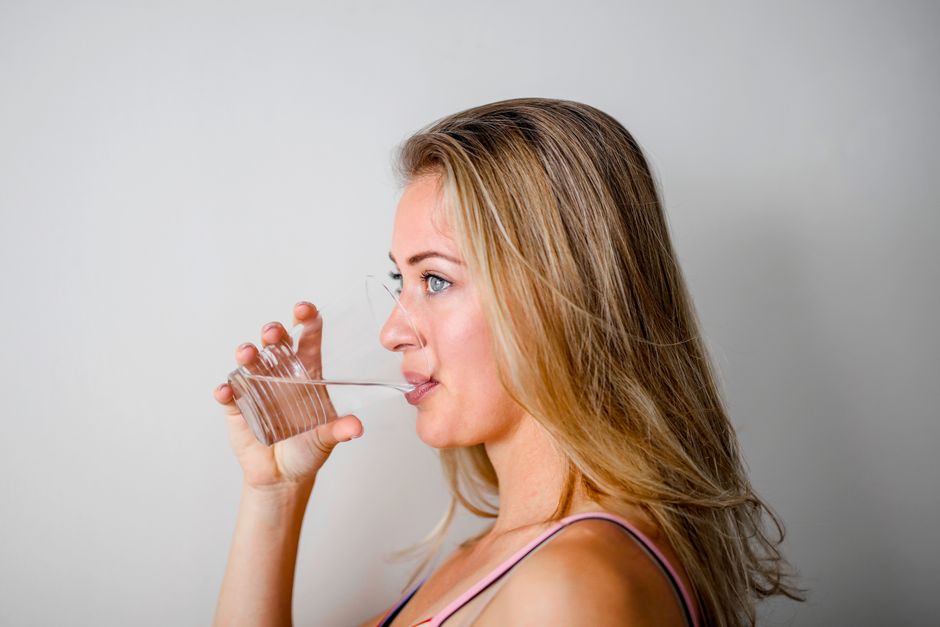
Drinking water is not the cause of bloating for most people, but it can make an already bloated stomach feel more uncomfortable. The real issue is usually not the water itself, but what is happening in your digestive tract, what you ate recently, or how your body is holding onto fluids. Water is essential and rarely the enemy, though the timing, temperature, and speed of drinking can play a role in temporary stomach discomfort.
Why Does Drinking Water Make Me Bloated?
Water itself does not cause true bloating in a healthy person. Your body absorbs water quickly, usually within minutes, and routes it to your kidneys and bloodstream. If you feel a swollen, tight sensation right after drinking, you are likely feeling a temporary stretch in your stomach, not actual water retention.
Stomach bloating from water is often a mechanical issue. When you drink a large volume quickly, your stomach expands to hold it. That physical stretch sends a signal to your brain that you are full, and it can feel like pressure or bloating. This passes as the water moves into your intestines and gets absorbed, typically within 20 to 30 minutes.
There is a second, separate issue called water retention, where your body holds excess fluid in tissues. This is not caused by drinking water. It is usually tied to sodium intake, hormonal changes, or certain medical conditions. Drinking more water actually helps your kidneys flush out excess sodium, which can reduce water retention over time.
What Causes the Full and Tight Feeling After Drinking Water?
The most common cause is drinking too much water too fast. Your stomach can hold about 1 to 1.5 liters comfortably before it sends strong fullness signals. If you chug a large glass or bottle in seconds, the stomach wall stretches rapidly. That stretch is what you feel as pressure, tightness, or bloating.
Swallowed air is another overlooked factor. Gulping water makes you swallow air along with it. That air collects in the stomach and upper intestines. It has to come out somehow, either as a burp or as gas lower down. If you drink through a straw or chug from a bottle, you tend to swallow more air than drinking from a glass.
Cold water can slow stomach emptying slightly. Your stomach has to warm the water to body temperature before passing it to the intestines. This delay is minor, but in someone prone to slow digestion, it can prolong that full feeling.
Carbonated water is a different story. The bubbles in sparkling water are carbon dioxide gas. That gas expands in your stomach and causes real distension. If you are sensitive to this, even a small glass of sparkling water can make you feel bloated.
Could It Be Something You Ate or Drank Before the Water?
Water often gets blamed for bloating that started with food. Certain foods draw water into the digestive tract or produce gas as they break down. When you drink water after eating those foods, the water moves into the intestines and mixes with the gas and partially digested food. The result is a feeling of fullness that you associate with the water, but the water just expanded what was already there.
High-sodium meals are a prime example. A salty meal causes your body to hold onto water to balance sodium levels. If you drink water after a salty meal, some of it gets retained in tissues rather than passed as urine. This is not stomach bloating; it is whole-body water retention that can make your stomach feel swollen and your fingers feel tight.
Sugar alcohols and certain carbohydrates can also set this up. Foods with sorbitol, mannitol, or large amounts of fiber ferment in the colon. That fermentation produces gas. Drinking water after eating these foods can shift gas through the intestines, making you more aware of the pressure.
If bloating happens regularly after drinking water, look at your last meal first. The water may be innocent. The food you ate 30 to 60 minutes earlier is often the real trigger.





When Bloating After Drinking Water Points to a Digestive Condition
Some people feel bloated after water because their digestive system does not empty normally. Conditions like gastroparesis delay stomach emptying. In this condition, food and liquid sit in the stomach longer than usual. Even a normal amount of water can cause a heavy, full feeling because the stomach is not moving contents along as it should.
Functional dyspepsia also causes this pattern. People with this condition feel full very quickly and have upper abdominal discomfort after small meals or drinks. The stomach wall is more sensitive to stretch. A glass of water that would not bother most people triggers a strong fullness response.
Small intestinal bacterial overgrowth, often called SIBO, can make water feel problematic. In SIBO, bacteria that normally live in the colon move up into the small intestine. They ferment carbohydrates there and produce gas. Water does not feed these bacteria, but it can move gas through the intestines, creating pressure and discomfort.
These conditions are not rare, but they are also not the first explanation to consider. If you feel bloated after every glass of water, not just occasionally, and it comes with nausea, early fullness, or unintended weight changes, that warrants a conversation with a doctor. Bloating alone, without other symptoms, is rarely a sign of a serious condition.
How to Drink Water Without Feeling Bloated
Small adjustments in how you drink can prevent most water-related bloating. The goal is to slow down and reduce the amount of air you swallow.
- Sip, do not chug. Take small mouthfuls over several minutes rather than drinking a full glass in one go. This gives your stomach time to pass water along.
- Skip the straw. Drinking through a straw pulls in extra air with each sip. Drink from the rim of a glass instead.
- Choose still water over sparkling. Carbonated water introduces gas directly into your stomach. If you are prone to bloating, plain water is the safer choice.
- Drink between meals. Having a full glass of water right before or during a meal adds volume to an already full stomach. Drinking between meals reduces that stacking effect.
- Try room temperature water. Cold water can slow stomach emptying in some people. Room temperature water passes through more smoothly.
If you are drinking water to stay hydrated, spread your intake across the day. Drinking 8 ounces every hour or two is easier on your digestive system than drinking 32 ounces all at once. Your body absorbs water steadily, and your stomach never gets overly full.
How Much Water Should You Actually Drink?
There is no single number that fits everyone. The old advice of eight glasses a day is a general guideline, not a scientific rule. Your actual need depends on your body size, activity level, climate, and how much water you get from food.
A practical approach is to let your body guide you. Urine color is a reliable indicator. Pale yellow urine generally means you are well hydrated. Dark yellow urine suggests you need more fluids. Clear urine means you are likely drinking more than your body needs.
Drinking more water than your body requires does not cause harm in healthy people. Your kidneys filter out the excess and you urinate it out. The only real risk is drinking an extreme amount in a short period, which can lower blood sodium to dangerous levels. This is rare and typically only happens with compulsive water drinking or endurance exercise without electrolyte replacement.
For most people, the answer is simple. Drink when you are thirsty. Drink a little more if you are active or in a hot environment. There is no benefit to forcing large volumes of water beyond what your body signals it needs.
When to See a Doctor About Bloating
Occasional bloating after drinking water is normal and not a reason for concern. You can usually trace it to drinking too fast, swallowing air, or eating a meal that did not agree with you.
See a doctor if bloating is persistent, severe, or comes with other symptoms. Warning signs include bloating that does not go away, unintentional weight loss, blood in your stool, persistent nausea or vomiting, or pain that interrupts your daily activities. These symptoms deserve a medical evaluation, not a home remedy.
If you have been diagnosed with a digestive condition like gastroparesis or IBS, talk to your doctor about fluid intake strategies. Some clinicians recommend smaller, more frequent sips for people with delayed stomach emptying. No clinical guidelines currently exist for a specific water-drinking pattern to prevent bloating, so individualized advice from your care team is the right approach.
Frequently Asked Questions
Can drinking too much water cause bloating?
Yes, drinking a large volume of water quickly can stretch your stomach and cause temporary fullness or pressure. This usually resolves within 20 to 30 minutes as the water is absorbed.
Why do I feel bloated after drinking water in the morning?
Morning bloating after water is often linked to what you ate the night before, especially high-sodium or high-fiber meals. Your stomach may also be more sensitive to stretch on an empty stomach.
Does sparkling water cause more bloating than still water?
Yes, sparkling water contains carbon dioxide gas that expands in your stomach. People prone to bloating typically tolerate still water better.
Can drinking water reduce bloating?
Yes, water helps your kidneys flush excess sodium, which can reduce fluid retention over time. For gas-related bloating, staying hydrated supports regular digestion, though water alone will not eliminate trapped gas.
