
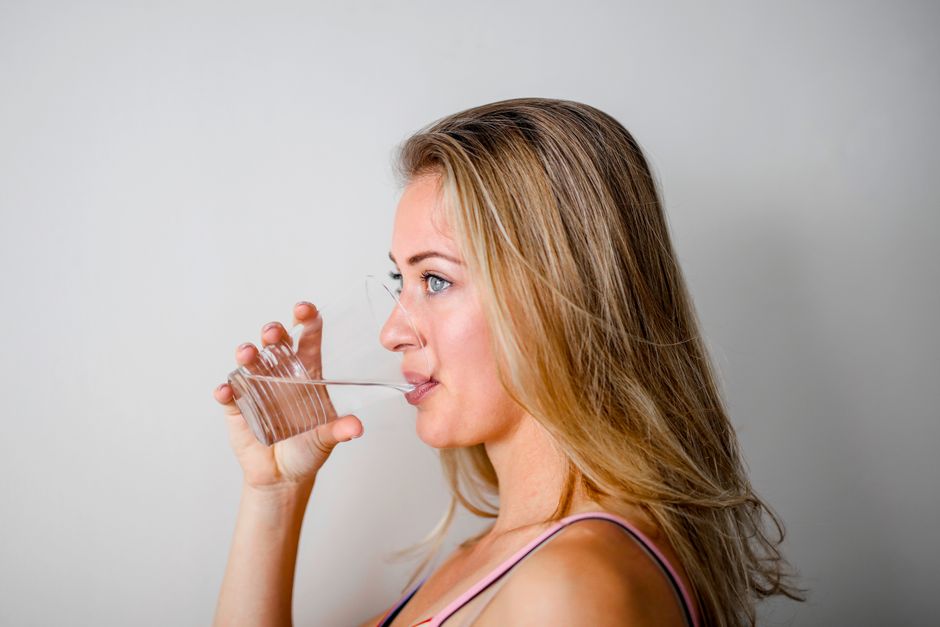
Yes, drinking a large amount of water in a short time can cause stomach pain. The discomfort usually comes from the stomach stretching quickly, not from the water itself being harmful. For most healthy adults, the pain is temporary and eases as the water empties into the small intestine. In rare cases, drinking extreme amounts very fast can lead to a dangerous condition called hyponatremia, which needs emergency care.
Can Drinking Too Much Water Cause Stomach Pain?
It can, and the reason is mostly mechanical. Your stomach is a muscular sac that holds what you swallow before passing it along. When you drink faster than your stomach can empty, the walls stretch. That stretching triggers nerve signals that feel like fullness, pressure, or a dull ache.
The stomach of an average adult holds roughly one liter comfortably, though this varies a lot from person to person. Drink well beyond that in a short window and the pressure builds. This is why people sometimes feel sick after chugging water during exercise or a drinking game. The pain is a stretch response, not a sign the water is toxic.
There is a second path to discomfort that has nothing to do with volume. Some people swallow air while drinking, especially from bottles or straws. That trapped air adds to the pressure and can cause bloating and cramping. Cold water may also trigger a brief cramp in people whose stomach is sensitive to temperature.
How Much Water Is Too Much at One Time?
There is no single number that applies to everyone. Body size, activity level, kidney function, and how fast you drink all change the answer. What matters most is the rate, not just the total.
A healthy adult kidney can typically process about 0.8 to 1 liter of water per hour. Drink faster than that and the excess has nowhere to go quickly. The stomach holds it, stretches, and signals discomfort.
General guidance from health authorities points to total daily fluid intake rather than any single sitting. A common reference is about 3.7 liters of total fluids per day for men and 2.7 liters for women, but that includes water from food and other drinks. It is not a target to hit by drinking alone, and needs shift with climate, exercise, and health conditions.
The practical takeaway is simple. Sipping steadily through the day is easier on your stomach than gulping large amounts at once. If you feel full or uncomfortable, your body is telling you to slow down.
What Does Water-Related Stomach Pain Feel Like?
The sensation is usually a blend of fullness and pressure in the upper belly. People describe it as a heavy, stretched feeling just below the ribs. It often comes on within minutes of drinking a large volume.
Other common feelings include:
- A dull ache or tightness in the upper abdomen
- Nausea or a sense of wanting to burp
- Bloating and visible swelling of the belly
- Cramping if cold water or swallowed air is involved
This kind of discomfort tends to fade as the stomach empties, often within an hour or so. If pain is sharp, persistent, or located in a specific spot, that points away from simple overdrinking and toward something else that needs medical attention.





When Is Stomach Pain From Water a Real Danger?
Stomach pain from overdrinking is usually harmless. The serious risk is a separate problem called hyponatremia, which means low sodium in the blood. It happens when you take in so much water that it dilutes the sodium your body needs to function.
Hyponatremia is not common in everyday life. It shows up in specific situations, such as endurance events where people drink large volumes over hours without replacing electrolytes, or in extreme water-drinking contests. It has also occurred in some clinical settings and with certain medications that affect water balance.
The symptoms of hyponatremia are different from simple fullness. They include headache, confusion, nausea, and in severe cases swelling of the brain, seizures, and loss of consciousness. This is a medical emergency. If someone drinks a very large amount of water and then becomes confused or severely ill, seek emergency care right away.
It is worth being clear about the scale here. The stomach pain from drinking a big glass of water too fast and the danger of hyponatremia are not the same thing. One is a stretch signal. The other requires an unusual amount of water, usually combined with a reason the body cannot keep sodium balanced.
Why Does Water Sometimes Cause Cramps Instead of Fullness?
Not all water-related stomach pain is about volume. Sometimes the issue is how your gut reacts to what you drank.
Cold water can trigger a brief spasm in a sensitive stomach. The nerves in the stomach wall respond to sudden temperature change, and some people feel that as a quick cramp. This is generally short-lived.
Swallowing air is another common cause. Drinking from a bottle, using a straw, or drinking while talking can push air into the stomach along with the water. That air creates pressure and bloating that feels different from a full stomach.
Carbonated water adds gas directly. The bubbles release carbon dioxide in the stomach, which can cause burping, bloating, and a stretched feeling even when the volume of liquid is modest. For people with irritable bowel syndrome or acid reflux, fizzy water may make symptoms worse.
How Can You Drink Water Without Stomach Discomfort?
You do not need to avoid water. You need to drink it in a way your stomach tolerates. These habits help most people.
- Sip rather than gulp, spreading intake across the day
- Avoid drinking large volumes right before or during intense exercise
- Choose room-temperature water if cold triggers cramps
- Skip straws and bottles if you tend to swallow air
- Replace electrolytes during long, sweaty activity rather than water alone
During prolonged exercise or heavy sweating, drinking water without any sodium can, in rare cases, contribute to low blood sodium if intake is very high. Sports drinks or electrolyte solutions are designed for those situations. For a normal day at home or at a desk, plain water sipped steadily is fine for most healthy people.
People with certain heart, kidney, or liver conditions may be told by their doctor to limit fluids. That guidance is specific to their situation and should be followed. This article does not replace that personalized advice.
Does Drinking Too Much Water Cause Other Symptoms?
Stomach pain is not the only early sign of drinking more than your body can handle. You may also notice nausea, a sloshing feeling in the belly, and frequent trips to the bathroom as your kidneys work to get rid of the excess.
If intake is very high and sustained, the more serious symptoms of low sodium can appear, as described earlier. But for the everyday case of drinking a large amount too quickly, the effects stay in the gut and pass within a short time.
One thing worth knowing is that thirst is a better guide than a fixed number of glasses for most healthy adults. Your body regulates water balance closely through thirst and through hormones that control how much urine you make. Drinking to satisfy thirst, rather than forcing a set amount, tends to keep you in a comfortable range.
When Should You See a Doctor?
See a doctor if stomach pain is severe, lasts for hours, or comes with vomiting, fever, or blood. These signs suggest a cause other than overdrinking.
Get emergency help if you or someone else drinks a very large amount of water and then develops confusion, a bad headache, nausea with weakness, or loses consciousness. Those are possible signs of low blood sodium and need urgent treatment.
For the common case of a stretched, uncomfortable stomach after drinking too fast, rest and time are usually enough. The feeling eases as your stomach empties. If it keeps happening, slow your pace and spread your water intake across the day.
Frequently Asked Questions
Can drinking too much water cause stomach pain?
Yes, drinking a large amount quickly can stretch the stomach and cause pain, pressure, or nausea. This discomfort is usually temporary and fades as the water moves into the small intestine.
How much water is too much at once?
There is no single number, but drinking faster than roughly 0.8 to 1 liter per hour can overwhelm a healthy adult’s ability to process it. The rate matters more than the total.
Can water cause stomach cramps instead of fullness?
Yes, cold water, swallowed air, or carbonation can trigger cramps and bloating even in small amounts. These are usually brief and not dangerous.
When is drinking too much water an emergency?
It becomes an emergency when very high intake leads to low blood sodium, causing confusion, severe headache, or loss of consciousness. Seek emergency care for these symptoms.
