
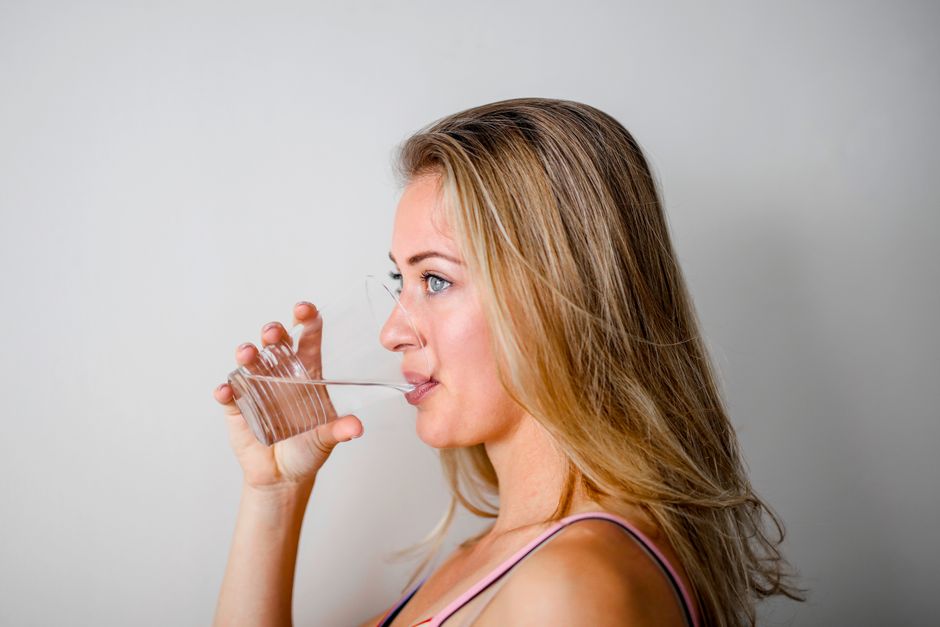
Drinking water does not stop bloating. It can help in specific situations — like mild constipation or a high-sodium meal — but for most causes of bloating, adding more water changes very little. In some cases, drinking quickly or through a straw can actually make bloating worse by adding swallowed air to your gut.
That answer surprises people because “drink more water” is the default advice for almost every digestive complaint. Bloating is different. It has several distinct causes, and water only touches some of them. Understanding which one you are dealing with matters more than how much you drink.
What Actually Causes Bloating?
Bloating is a feeling of fullness, pressure, or tightness in the abdomen. It often comes with visible abdominal distension, though the two are not the same thing. You can feel bloated without your belly looking larger, and your belly can look larger without you feeling bloated.
The sensation usually comes from one of a few sources:
- Gas trapped in the gut. Digestion and gut bacteria produce gas. When it builds up or moves slowly, you feel it.
- Constipation. Stool sitting in the colon slows everything down and creates pressure.
- Fluid shifts and sodium. A high-salt meal can cause temporary water retention.
- Gut sensitivity. In conditions like irritable bowel syndrome, normal amounts of gas can feel painful or intense.
- Swallowed air. Eating fast, chewing gum, drinking through a straw, or carbonated drinks add air to your stomach.
Notice that only one of these — constipation — has a clear relationship with how much water you drink. That is the key to the whole question.
Can Drinking Water Stop Bloating?
Water helps bloating only when the underlying problem is constipation or mild dehydration. It does not relieve gas, gut sensitivity, or hormonal bloating.
Here is why. Your colon absorbs water from waste as it moves through. When you are dehydrated, the colon pulls more water out, stool becomes harder, and things slow down. Drinking enough water helps keep stool soft and moving. Softer, more regular bowel movements mean less backup and less pressure. That is a real effect, and it is the strongest case for water helping bloating.
For every other cause, water is neutral at best. Gas from fiber, lactose, or gut bacteria does not dissolve away because you drank more water. The feeling of bloating in irritable bowel syndrome comes largely from how your gut nerves interpret normal signals — not from a water shortage. And hormonal bloating before a menstrual period is driven by fluid shifts that drinking more water does not correct.
There is one more wrinkle. Drinking a large amount of water very quickly, or through a straw, can increase the air you swallow. That air has to go somewhere. For some people, this makes bloating feel worse, not better.
How Much Water Do You Actually Need?
Most healthy adults need roughly 2 to 3 liters of fluid a day from all sources, including food and other drinks. The National Academies set general daily fluid intake references of about 3.7 liters for men and 2.7 liters for women, but that includes water from food. Plain drinking water is only part of the total.
Individual needs vary with body size, activity, climate, and health conditions. Thirst and urine color are reasonable everyday guides. Pale yellow urine generally suggests you are drinking enough. Dark urine suggests you may need more.
More is not automatically better. Drinking far beyond your needs can dilute sodium in your blood, a condition called hyponatremia. It is uncommon, but it is serious and has occurred in endurance athletes and in people who drink extreme amounts of water in a short time. There is no benefit to forcing large volumes of water for bloating.




When Does Water Help Bloating — And When Does It Not?
Water is most likely to help when constipation is part of the picture. If you are not having regular bowel movements, adding water alongside adequate fiber is a sensible step. Fiber without enough fluid can actually make constipation worse, so the two go together.
Water is unlikely to help when bloating comes from:
- Gas produced by digesting certain foods
- Irritable bowel syndrome or other gut sensitivity conditions
- Hormonal changes around a menstrual period
- Swallowed air from fast eating, gum, or carbonated drinks
- Conditions like lactose intolerance or small intestinal bacterial overgrowth
This is where people get stuck. They drink more water, feel no better, and conclude something is wrong with them. Usually nothing is wrong. They are just treating a problem water was never going to fix.
What Helps Bloating Besides Water?
The right approach depends on the cause, and this is where a little detective work pays off. Keeping a simple food and symptom log for a couple of weeks can reveal patterns that are hard to see otherwise.
General steps that help many people:
- Eat slowly and avoid drinking through straws to reduce swallowed air.
- Cut back on carbonated drinks, which add gas directly.
- Get regular physical activity, which helps move gas and stool through the gut.
- Limit very high-sodium meals if fluid retention is your pattern.
- Increase fiber gradually rather than all at once, and pair it with enough fluid.
If specific foods seem to trigger symptoms, a clinician or dietitian can help you test that systematically. For irritable bowel syndrome, some people respond to dietary approaches like a low-FODMAP plan, but this works best with professional guidance because it is restrictive and easy to do poorly on your own.
Over-the-counter options exist. Simethicone is widely sold for gas, though the evidence for how well it works is mixed. Some clinicians recommend it; the research does not strongly confirm benefit for everyone. Probiotics are another area with mixed results — some strains may help some people, but there is no single product with consistent evidence behind it.
If bloating is persistent, severe, or comes with weight loss, blood in the stool, vomiting, or a change in bowel habits that lasts more than a few weeks, see a doctor. Those signs can point to conditions that need proper evaluation rather than home remedies.
Does Drinking Water Stop Bloating or Make It Worse?
For most people, water is neither a cure nor a cause. It helps when constipation or dehydration is involved and does nothing for gas, sensitivity, or hormonal bloating.
The bigger point is that bloating is a symptom, not a diagnosis. Chasing it with more water is like turning up the heat when a room feels cold because a window is open. Sometimes the fix is elsewhere. Water is worth getting right for your overall health, but it is not a bloating treatment on its own.
If you have tried the basics — steady hydration, slower eating, less carbonation, more movement — and bloating keeps interfering with your life, that is a signal to get it looked at. A clinician can sort out whether the cause is dietary, functional, or something that needs treatment.
Frequently Asked Questions
Can drinking water stop bloating?
Water can reduce bloating when constipation or mild dehydration is the cause, because it helps keep stool soft and moving. It does not relieve bloating caused by gas, gut sensitivity, or hormonal changes.
Why does drinking water make my bloating worse?
Drinking quickly or through a straw can increase the amount of air you swallow, which adds to gut gas and pressure. Carbonated water can have a similar effect because it contains dissolved gas.
How much water should I drink to help with bloating?
There is no specific amount proven to relieve bloating. General guidance for healthy adults is about 2 to 3 liters of total fluid per day from all sources, including food.
When should I see a doctor about bloating?
See a doctor if bloating is persistent or severe, or comes with weight loss, blood in the stool, vomiting, or a lasting change in bowel habits. These signs need proper evaluation.
