
If you have ever ordered a decaf coffee and felt like you were drinking hot water with a vague coffee smell, you are not imagining things. Decaf coffee often tastes flatter, more bitter, or simply different from regular coffee. The main reason is the decaffeination process itself, which removes compounds that contribute to flavor along with the caffeine. The good news is that you can fix most of these issues with better bean selection, a different roast, and adjusted brewing methods.
What Actually Happens During Decaffeination?
Coffee beans are not decaffeinated by simply washing them. The process happens before roasting, while the beans are still green. To remove caffeine, the beans are soaked in water, and then a solvent, carbon dioxide, or activated charcoal is used to pull the caffeine out of that water.
Each method has a specific name. The most common are the Swiss Water Process, the direct solvent method (using methylene chloride or ethyl acetate), and the carbon dioxide method. All of them work by targeting caffeine molecules, but they are not perfectly selective. They also remove other water-soluble compounds, including the precursors to flavor that develop during roasting.
This is the core issue. Caffeine is not the only thing that leaves the bean. Sugars, acids, and aromatic compounds are also stripped away to some degree. When you roast a decaffeinated green bean, you are starting with a bean that has less flavor potential than a regular bean.
Does the Decaf Process Change the Roast Profile?
Yes, and this is a point most home brewers miss. Decaffeinated beans behave differently in the roaster than regular beans. The chemical structure is altered, so the beans roast faster and darken more quickly on the outside while staying underdeveloped on the inside.
Because of this, many commercial roasters produce decaf beans that are either slightly under-roasted or slightly over-roasted to compensate. Under-roasting leaves the coffee tasting grassy and sour. Over-roasting pushes it into a bitter, ashy, or burnt flavor territory that has no sweetness to balance it.
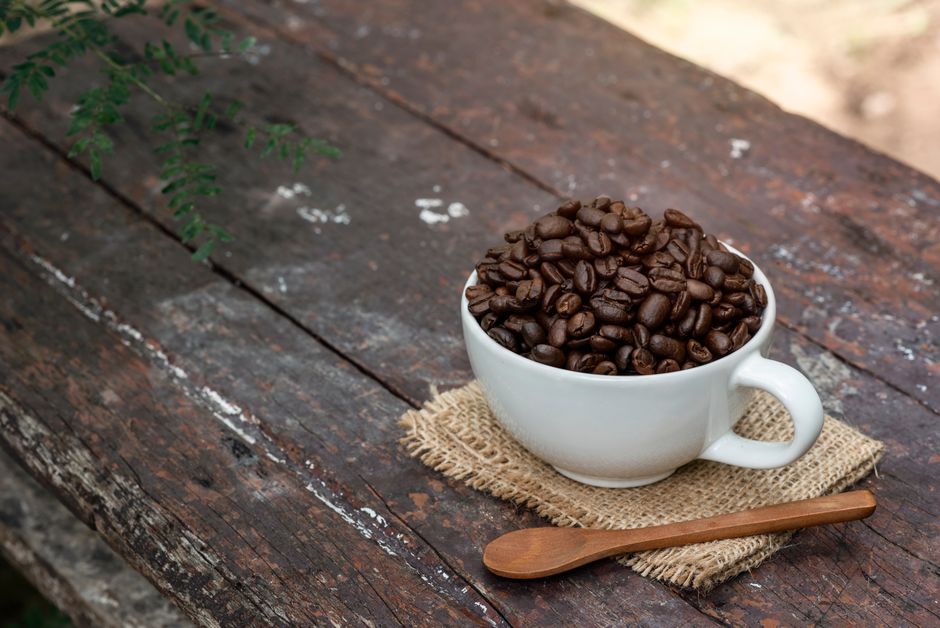
You can spot this problem when you look at the beans. If your decaf beans look oily on the surface or very dark brown, they were likely roasted past the point of optimal flavor. If they look pale and light brown, they may not have been roasted long enough to develop proper sugars.
Why Does Decaf Coffee Often Taste Bitter or Flat?
Bitterness in decaf comes from a different source than bitterness in regular coffee. In regular coffee, bitterness is balanced by natural sugars and acids. In decaf, those balancing compounds are reduced.
When you brew decaf, you are extracting from a bean that has less soluble material overall. If you use the same grind size, water temperature, and brew time as you do for regular coffee, you will often over-extract the decaf. Over-extraction pulls harsh, bitter compounds out of the bean because the desirable flavors have already been removed.
Flatness is a separate issue. The aromatic oils that give coffee its floral, fruity, or nutty notes are largely lost during the decaffeination process. Your nose plays a huge role in how you perceive taste. Without those volatile aromatics, the coffee tastes one-dimensional on your tongue, regardless of how well it is brewed.




How To Fix the Taste: Start With the Right Beans
The single biggest fix is to stop buying generic supermarket decaf. Most mass-market decaf is made from low-grade robusta beans or commodity arabica, which taste mediocre even before decaffeination.
Look for specialty-grade decaf beans. These are typically made from high-quality arabica beans and processed using the Swiss Water Process or the carbon dioxide method. These methods are widely considered to preserve more flavor than solvent-based methods, though no large-scale blind taste tests have definitively proven one method is always superior.
If you can, buy whole beans from a local roaster who roasts decaf in small batches. Ask the roaster when the beans were roasted. Coffee beans are best within two to four weeks of the roast date. Decaf beans go stale faster than regular beans because they are more porous after processing.
How To Fix the Taste: Adjust Your Brewing Method
Once you have better beans, the brewing parameters need to change. Do not brew decaf the same way you brew regular coffee.
Grind slightly coarser for decaf. A coarser grind reduces the surface area exposed to water, which prevents over-extraction. If you normally use a medium grind for drip coffee, try a medium-coarse grind for decaf.
Brew with slightly cooler water. Water that is just off the boil, around 195°F to 200°F, will extract more slowly. This gives you more control and reduces the chance of pulling out bitter compounds. If you do not have a temperature-controlled kettle, let boiling water sit for 30 to 45 seconds before pouring.
Shorten the brew time. For a pour-over, aim for a total brew time of about 2.5 to 3 minutes instead of 3.5 to 4 minutes. For a French press, steep for 3 minutes instead of 4.
Use a slightly higher coffee-to-water ratio. Because decaf has less soluble material, a stronger dose can help compensate. Start with 1 gram of coffee for every 15 grams of water, rather than the standard 1:16 or 1:17 ratio.
Does the Swiss Water Process Taste Better Than Chemical Decaf?
This is a common question, and the honest answer is that taste differences between decaffeination methods are not consistently proven in controlled studies. However, many specialty coffee professionals report that Swiss Water Process and carbon dioxide method coffees retain more sweetness and body.
The Swiss Water Process uses only water and activated charcoal filters. The carbon dioxide method uses pressurized CO₂ to bind to caffeine molecules. Both avoid synthetic solvents, which appeals to people who are concerned about chemical residues.
Regarding residues, it is important to be accurate. The direct solvent method uses methylene chloride, which is regulated by the FDA. The FDA permits residual levels of methylene chloride up to 10 parts per million in decaffeinated coffee. Commercial decaf generally tests far below this limit. Ethyl acetate, the other common solvent, occurs naturally in many fruits and is generally recognized as safe.
If you are concerned about solvents, choose Swiss Water Process or carbon dioxide decaf. If you care mostly about taste, try a few different methods side by side and decide for yourself. Blind tasting is the only reliable way to know your preference.
Should You Try Half-Caff or Specialty Decaf Blends?
Half-caff is exactly what it sounds like: a blend of half regular beans and half decaf beans. This is a practical option if you want to reduce your caffeine intake but cannot find a decaf you genuinely enjoy.
The flavor of half-caff is closer to regular coffee because the regular beans contribute the aromatic complexity that decaf lacks. The tradeoff is that you still get some caffeine. If you are avoiding caffeine for medical reasons, such as a diagnosed sensitivity or during pregnancy, half-caff is not a substitute for full decaf.
Specialty decaf blends are another option. Some roasters intentionally blend decaf beans from different origins to create a more balanced cup. A blend can mask the flatness of a single-origin decaf bean. This is not a guarantee of quality, but it is worth trying if single-origin decaf has disappointed you.
Can You Mask the Bad Taste With Additions?
You can, but you should think about why you are doing it. Adding sugar, flavored syrups, or cream can cover up bitterness and flatness. However, these additions also mask the quality of the bean. If you need heavy flavoring to make your decaf drinkable, the problem is likely the bean or the brew, not your palate.
One addition that genuinely helps without masking flavor is a pinch of salt. Salt suppresses bitterness perception on the tongue. A tiny pinch, about the size of a grain of rice, added to the ground coffee before brewing can reduce bitter notes without making the coffee taste salty. This is a well-established culinary technique, though no large clinical trials have studied it specifically for decaf coffee.
Cinnamon or cardamom added to the grounds before brewing can add perceived sweetness and complexity. These spices do not actually add sugar, but they change the aromatic profile in a way that makes the coffee taste fuller.
Is It Worth Buying a Separate Grinder for Decaf?
If you are serious about fixing your decaf, yes. Burr grinders retain small amounts of coffee oils and particles between uses. If you grind regular coffee and then grind decaf in the same grinder, you will get cross-contamination.
The flavor transfer is small, but it is noticeable. Regular coffee residue can add a stale or bitter note to your decaf. If you drink decaf only occasionally, you can grind enough decaf beans to push out the old grounds before you brew. If you drink decaf daily, a dedicated grinder is a worthwhile investment.
This applies to blade grinders even more than burr grinders. Blade grinders leave significant amounts of ground coffee stuck in the chamber and under the blade.
Why Does Freshness Matter More for Decaf?
Decaf beans are more porous than regular beans. The decaffeination process opens up the cellular structure of the bean, which means gases escape faster and oxygen enters more quickly.
Oxygen is the enemy of coffee flavor. It oxidizes the oils and causes the coffee to go stale. Regular coffee beans stay reasonably fresh for about a month after roasting if stored properly. Decaf beans may lose their peak flavor after just two weeks.
Store decaf beans in an airtight container away from light and heat. Do not store them in the refrigerator or freezer unless you are keeping them for more than a few weeks. Condensation from freezer storage can damage the beans.
Buy decaf in smaller quantities. A 12-ounce bag may be too much if you only drink one cup per day. Buying 8-ounce bags more frequently will keep your decaf fresher.
Frequently Asked Questions
Why does decaf coffee taste more bitter than regular coffee?
Decaf beans lose sugars and acids during the decaffeination process, so there is less sweetness to balance the natural bitterness of coffee. Over-extraction during brewing makes this bitterness worse.
What is the best decaffeination method for taste?
Specialty coffee professionals often prefer the Swiss Water Process or carbon dioxide method for their cleaner flavor profiles. However, no large controlled studies have proven one method is always superior, so personal taste testing is the best guide.
Can I use the same coffee maker for decaf and regular coffee?
Yes, you can use the same machine, but you should adjust the grind size and brew time for decaf. Grind slightly coarser and shorten the brew time to prevent over-extraction.
Does adding salt really make decaf taste better?
A tiny pinch of salt added to the grounds before brewing can reduce perceived bitterness. This is a known culinary technique, but it will not fix flatness or poor bean quality.
