
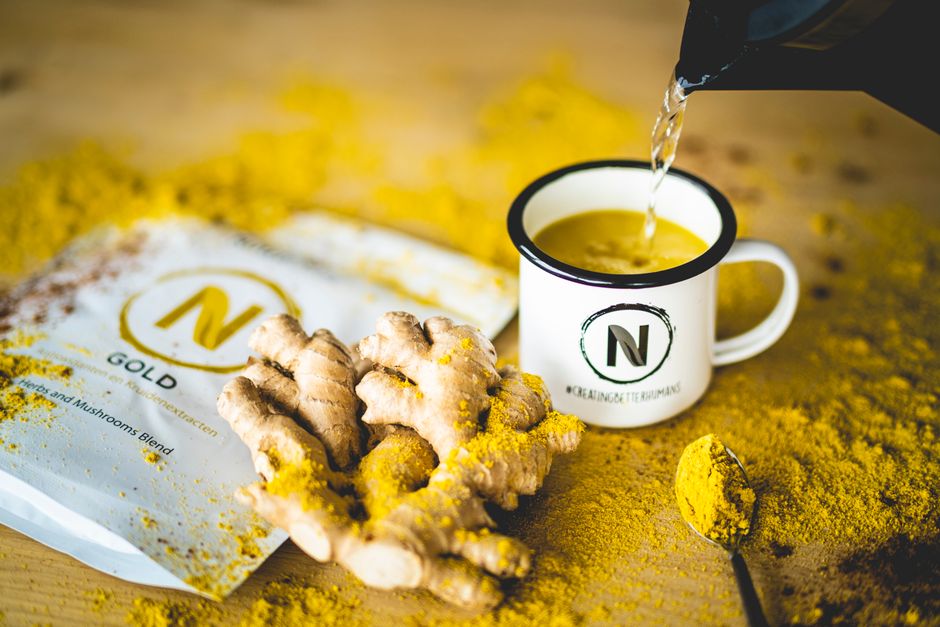
Mushroom coffee is regular coffee blended with powdered medicinal mushrooms like lion’s mane, chaga, or reishi. It has become popular as a “healthier” coffee, often marketed with claims about focus, immunity, and weight loss. The short answer on weight: mushroom coffee does not cause weight loss on its own. Any weight change from drinking it comes down to what it replaces in your diet and whether it helps you take in fewer calories overall.
What Is Mushroom Coffee and What Is Actually In It?
Mushroom coffee is ground coffee mixed with dried mushroom powder, usually in a ratio of coffee to mushroom. The mushrooms used are not the culinary kind you would sauté. They are typically lion’s mane, chaga, reishi, cordyceps, or turkey tail, chosen for compounds studied in laboratory and animal research.
The important detail most marketing skips: the amount of mushroom in a typical serving is small, often a gram or two. Many products use mycelium grown on grain rather than the mushroom fruiting body. The two are not the same thing, and their compound profiles differ. Labels rarely make this clear.
What you are mostly drinking is coffee. The caffeine is still there in most products, though often at lower levels than a standard cup. Some brands mix in adaptogens, MCT oil, or artificial sweeteners. Each of those changes the calorie and ingredient picture.
Does it contain fewer calories than regular coffee?
Plain black coffee has almost no calories. Black mushroom coffee is similar. Adding milk, cream, sugar, or a sweetened creamer adds calories in either case. The drink itself is not a meaningful calorie source unless you add things to it.
Does Mushroom Coffee Help You Lose Weight?
No clinical evidence shows that mushroom coffee directly causes fat loss. There is no large human trial demonstrating that drinking it leads to meaningful weight reduction compared to regular coffee or water. The weight loss claims rest mostly on lab studies, animal research, and the general effects of caffeine and appetite.
That does not mean it is useless for weight management. It can help indirectly, for reasons that have nothing to do with mushrooms.
- It may replace a high-calorie drink. Swapping a sweetened latte for black mushroom coffee cuts calories.
- It may reduce total caffeine if you are sensitive, which can improve sleep, and poor sleep is linked to weight gain.
- It can serve as a low-calorie ritual that replaces snacking.
Notice that none of these depend on the mushroom. They depend on behavior and substitution.
What about the mushroom compounds themselves?
Some mushroom extracts, particularly from reishi and cordyceps, have shown effects on metabolism and fat cells in laboratory and animal studies. Beta-glucans and certain polysaccharides have been studied for immune and metabolic effects. But laboratory findings frequently do not carry over to humans. No well-designed human trial has confirmed that these compounds produce weight loss in people drinking mushroom coffee.
If a product claims its mushrooms “boost metabolism” or “burn fat,” that claim is not supported by human evidence. Biological plausibility is not proof of benefit.
Why People Think Mushroom Coffee Aids Weight Loss
The belief comes from a few overlapping sources, and it helps to separate them.
First, caffeine itself has a modest, temporary effect on metabolic rate and appetite. This is true of regular coffee too. It is not unique to mushroom coffee, and the effect is small and short-lived.
Second, mushroom coffee is often part of a broader lifestyle change. People who switch to it frequently also start eating better, sleeping more, or cutting sugar. The weight loss gets credited to the coffee when the credit belongs to the habits.
Third, marketing leans on the “functional” label. Calling a drink functional implies a benefit beyond nutrition. That framing is a positioning choice, not a clinical finding.
There is also a genuine gap in the research. Most studies on these mushrooms are small, short, or done in animals. That is not the same as proving benefit, and it is not the same as proving harm. It means the evidence is not there yet.




Mushroom Coffee vs Regular Coffee: What Changes
For weight purposes, the two are close. The table below compares them on the factors that actually matter.
| Factor | Black Mushroom Coffee | Black Regular Coffee |
|---|---|---|
| Calories (plain) | Nearly zero | Nearly zero |
| Caffeine | Usually lower, varies by brand | Standard, roughly 95 mg per 8 oz cup |
| Direct fat loss effect | Not established | Not established |
| Mushroom compounds | Present, amount often small | None |
| Cost | Usually higher | Lower |
The caffeine figure for regular coffee is a well-established reference. The mushroom coffee caffeine range is wide because products differ, so no single number applies.
If your goal is fewer calories, both work equally well as long as you drink them plain. If your goal is less caffeine, mushroom coffee may help, but check the label because some blends are full strength.
What Actually Drives Weight Loss
Weight loss happens when you take in fewer calories than you burn over time. That is the established principle. How you achieve that deficit is where individual approaches differ.
Things with real evidence behind them include:
- Eating more protein and fiber, which tend to increase fullness
- Reducing added sugar and refined carbohydrates
- Getting regular physical activity
- Protecting sleep, since short sleep is linked to weight gain
- Managing stress, which affects appetite and food choices
No single beverage replaces these. Coffee, mushroom or otherwise, is a small lever. It can support a plan but cannot substitute for one.
A non-obvious point: the strongest effect of any coffee on weight may come from what it replaces. If mushroom coffee helps you skip a 300-calorie morning pastry, that swap matters far more than any compound in the mushroom.
Are There Risks or Downsides?
Mushroom coffee is generally well tolerated by healthy adults, but that is not the same as proven safe for everyone. Some considerations are worth knowing.
Caffeine still affects sleep, anxiety, and heart rate in sensitive people. If a product contains caffeine, it carries caffeine’s usual cautions.
Mushroom extracts can interact with medications, particularly blood thinners and immune-suppressing drugs. Reishi and others have been studied for effects on clotting and immune function. If you take prescription medication, talk to your clinician before adding a mushroom supplement.
People with mushroom allergies should avoid these products. And because supplements are not regulated the way drugs are, the actual mushroom content may not match the label. Independent testing has found discrepancies in some mushroom products.
For pregnant or breastfeeding women, children, and people with autoimmune conditions, there is no established guidance on mushroom coffee. No clinical guidelines currently exist for these groups. That is a reason for caution, not reassurance.
How to Use Mushroom Coffee If You Want to Try It
If you decide to try it, the sensible approach is simple. Drink it plain or with a low-calorie addition. Skip the sweetened creamers that turn any coffee into a dessert.
Check the label for caffeine content and mushroom type. Fruiting body extracts are generally considered higher quality than grain-grown mycelium, though the evidence on real-world differences is limited.
Do not expect the coffee to do the work. Track what you eat for a week or two and see whether the drink is actually helping you eat less, or just adding cost.
If weight loss is your goal and nothing is changing after a few months of genuine effort, that is worth a conversation with a doctor. A clinician can check for factors like thyroid function, medication effects, or other conditions that affect weight.
Bottom Line
Mushroom coffee is not a weight loss product. It is coffee with mushroom powder added, and the evidence does not show it causes fat loss. It can help if it replaces a higher-calorie drink or supports better habits, but those benefits come from the swap, not the mushrooms.
Treat it as what it is: a beverage. If you enjoy it and it fits your routine, fine. If you are buying it hoping the mushrooms will melt fat, the evidence does not support that hope.
Frequently Asked Questions
Does mushroom coffee burn belly fat?
No. There is no human evidence that mushroom coffee targets belly fat or fat anywhere else. Any fat loss comes from a calorie deficit, not the drink.
Can I drink mushroom coffee while intermittent fasting?
Plain black mushroom coffee has almost no calories, so it typically fits within a fasting window. Check the label, because some blends add creamers, sweeteners, or MCT oil that do contain calories.
Is mushroom coffee better than regular coffee for weight loss?
No. For weight loss, they are essentially equivalent when both are drunk plain. The mushroom adds compounds that have not been shown to produce weight loss in humans.
How much mushroom coffee should I drink to lose weight?
There is no established amount, because no human study has linked a specific dose to weight loss. Any suggested serving on a package is a product recommendation, not a clinical guideline.
