
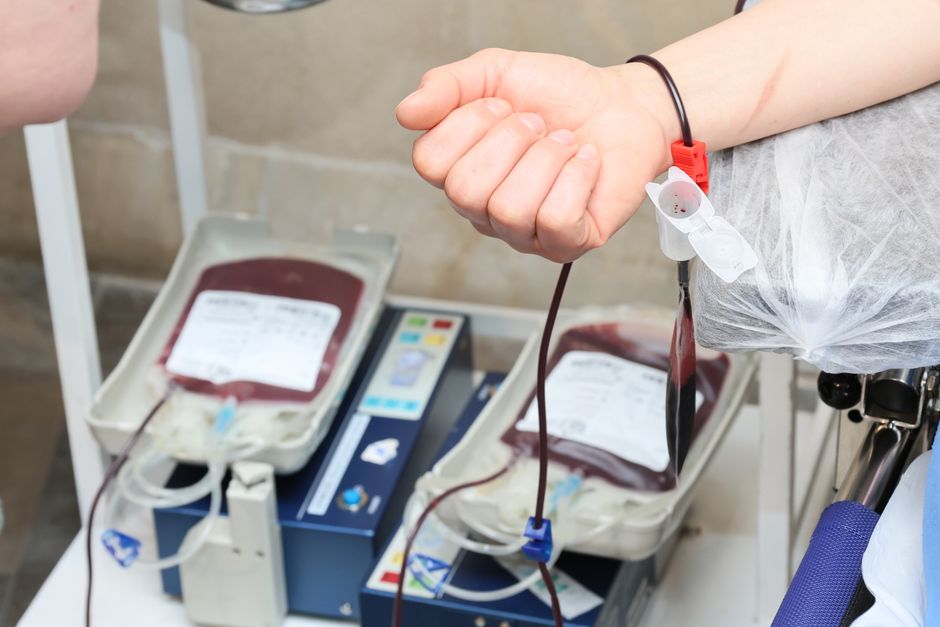
A blood transfusion is given when your body has lost blood, is not making enough of it, or when a specific part of your blood is not working the way it should. It is one of the most common hospital procedures in the United States. The goal is simple: replace what is missing so your organs keep getting the oxygen and clotting support they need.
Why Do You Need A Blood Transfusion?
You need a transfusion when the risk of not replacing blood or a blood component is greater than the risk of receiving it. That decision is rarely based on a single number. It comes from how you look, how you feel, your lab results, and what is causing the problem.
Blood does several jobs at once. Red blood cells carry oxygen. Platelets and clotting proteins stop bleeding. Plasma carries nutrients and clotting factors. A transfusion can target any one of these parts.
Doctors think about transfusion in two broad situations. The first is acute blood loss, meaning you are bleeding right now. The second is a shortage that builds over time, where your body cannot keep up with its own needs.
There is an important shift in how this is done. For decades, many patients received transfusions at higher hemoglobin levels. Research over the past two decades has generally supported a more restrictive approach for many stable patients, meaning transfusion is often reserved for lower hemoglobin thresholds. The exact number still depends on the person and the situation. A young person losing blood quickly from trauma is not treated the same as an older adult with chronic anemia who is stable.
What Blood Loss Or Blood Problems Lead To A Transfusion?
The causes fall into three groups: you are losing blood, you are not making enough, or your blood is being destroyed.
Losing blood is the most direct reason. Major surgery, trauma, a bleeding ulcer, a torn blood vessel, or heavy bleeding after childbirth can all drop your blood volume fast. When loss is rapid, your body cannot compensate, and oxygen delivery to the brain, heart, and kidneys can fall.
Not making enough happens when the bone marrow, the spongy tissue inside your bones that produces blood cells, slows down or is blocked. This can come from:
- Nutritional shortages, most often low iron, vitamin B12, or folate
- Kidney disease, because the kidneys make a hormone that signals red blood cell production
- Chemotherapy or radiation, which can suppress the marrow
- Bone marrow diseases such as leukemia or aplastic anemia
- Chronic inflammation or infection that blunts red cell production
Destruction of blood cells occurs when red blood cells are broken down faster than the body can replace them. Autoimmune conditions, certain infections, and some inherited disorders like sickle cell disease and thalassemia can cause this. In sickle cell disease, transfusions are sometimes used to reduce the proportion of abnormal hemoglobin and lower the risk of stroke and other complications.
What Are The Symptoms That Signal You Might Need One?
Symptoms reflect your organs not getting enough oxygen. The most common signs are fatigue that does not improve with rest, shortness of breath with mild activity, a racing or pounding heartbeat, and pale skin.
More serious signs include chest pain, dizziness, confusion, and fainting. Chest pain matters because the heart is a muscle that needs a constant oxygen supply. When hemoglobin drops, the heart works harder to move the same amount of oxygen around the body.
Some people have few symptoms even with low numbers, especially if the drop happened slowly. The body adapts over weeks by increasing heart rate and shifting how oxygen is delivered. That is one reason a single lab value does not tell the whole story.
In bleeding emergencies, the signs are different. You may feel cold, clammy, thirsty, or extremely weak. This is a medical emergency and needs immediate care.




What Are The Different Types Of Blood Transfusion?
Blood is not transfused as one uniform product. It is separated into components so you receive only what you need. This uses each donation more efficiently and lowers the risk of reactions.
| Component | What It Contains | Common Reasons It Is Given |
|---|---|---|
| Red blood cells | Cells that carry oxygen | Anemia, major blood loss, surgery |
| Platelets | Cell fragments that help clotting | Low platelet counts, active bleeding, cancer treatment |
| Plasma | Liquid portion with clotting proteins | Severe bleeding, clotting factor shortages |
| Cryoprecipitate | Concentrated clotting proteins | Specific clotting factor deficiencies |
Whole blood is used in some trauma settings, but component therapy is far more common in routine care. The choice depends on which part of your blood is failing.
How Is The Decision To Transfuse Made?
The decision weighs your hemoglobin or platelet level against your symptoms and your overall health. Hemoglobin is the protein in red blood cells that carries oxygen, and it is measured in grams per deciliter (g/dL).
For many stable adult patients, clinicians often use a hemoglobin level around 7 to 8 g/dL as a general guide for when to consider red cell transfusion. This is a reference point, not a rule. People with active heart disease, ongoing bleeding, or symptoms may be transfused at higher levels. People who are stable and not bleeding may be watched at lower levels.
Platelet transfusions follow a different logic. They are often considered when platelet counts fall below certain levels, or sooner if there is active bleeding or a procedure planned. The threshold depends on why the count is low and what is about to happen.
Before transfusing, doctors also ask whether there is a better option. If anemia is caused by iron deficiency, iron replacement may fix the root problem. If it is caused by kidney disease, a hormone injection may help. Transfusion treats the shortage, not always the cause.
What Are The Risks Of A Blood Transfusion?
Transfusion is generally safe, but it is not risk-free. Most reactions are mild and treatable. Serious reactions are uncommon.
The most common reactions include fever, chills, and a mild rash. These usually happen during or shortly after the transfusion and are managed by stopping the transfusion and giving medication.
More serious but rare risks include:
- Allergic reactions that cause breathing trouble or a drop in blood pressure
- Hemolytic reactions, where the immune system attacks donated red cells, often due to a mismatch
- Transfusion-related acute lung injury, a lung reaction that causes breathing problems
- Fluid overload, which is a concern for people with heart or kidney disease
- Infection, which is now very rare because of donor screening and testing
There is also a longer-term consideration. Repeated transfusions can cause iron to build up in the body, since red blood cells contain iron and the body has limited ways to remove it. This matters most for people who need many transfusions over years, such as those with thalassemia or sickle cell disease. Iron levels can be monitored and treated.
Some people worry about getting an infection from donated blood. Screening in the United States is thorough, and the risk of transmitted infection is very low. It is not zero, but it is far lower than it was decades ago.
Can You Avoid Needing A Transfusion?
Sometimes yes. When anemia develops slowly, treating the cause can prevent or delay the need for transfusion. This is called patient blood management, and it focuses on keeping your own blood working as well as possible.
Steps that can help in some situations include:
- Treating iron, B12, or folate deficiency with supplements or diet changes
- Managing the underlying condition, such as kidney disease or chronic bleeding
- Using medications that stimulate red blood cell production in certain patients
- Reducing blood loss during surgery with careful technique and, in some cases, recycling your own blood
These approaches do not work for everyone. If you are bleeding heavily or your organs are struggling, transfusion may be the fastest way to stabilize you. In that moment, replacing blood is the priority.
If you have a condition that may require transfusions, ask your care team what is being done to treat the cause and whether alternatives apply to you. That conversation is worth having before an emergency, not during one.
Frequently Asked Questions
How long does a blood transfusion take?
A single unit of red blood cells usually takes about two to four hours to infuse, though this can vary. The rate is often started slowly and adjusted based on how you respond.
How will I feel after a blood transfusion?
Many people feel less tired and less short of breath within hours to a day, because oxygen delivery improves. How much you feel depends on what caused the shortage and how low your levels were.
Can you get a disease from a blood transfusion?
The risk of infection from donated blood in the United States is very low because of donor screening and testing. It is not zero, but serious transmitted infections are rare.
How often can you receive a blood transfusion?
There is no fixed limit, and frequency depends on your condition and how your body responds. Some people need one transfusion, while others with chronic conditions may need them regularly over years.
