
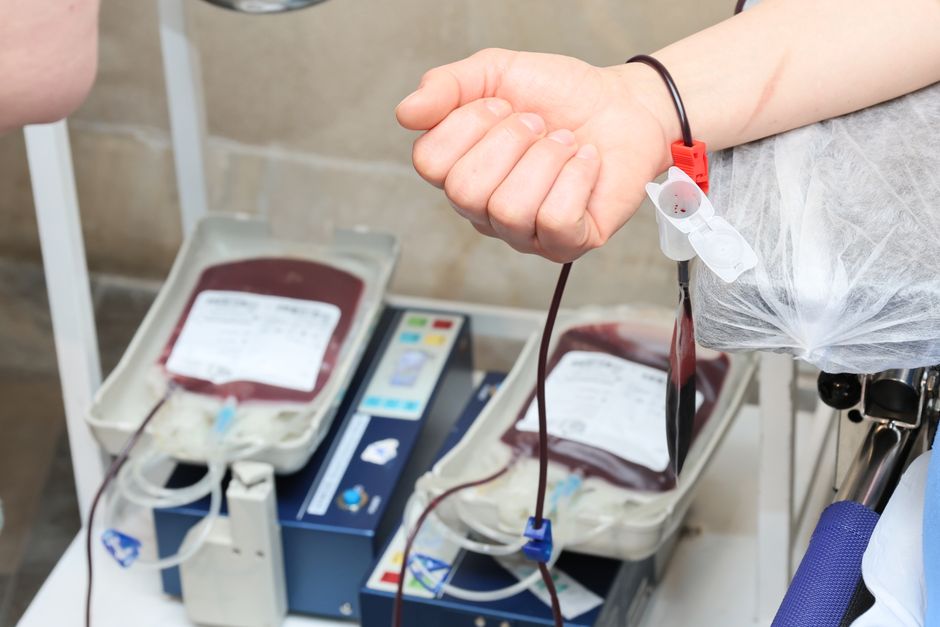
A blood transfusion replaces blood you have lost or blood your body is not making enough of. Once the transfusion is finished and you are back home, the main job is to rest, drink fluids, keep the IV site clean, and watch for reactions that can appear hours or even days later. Most people feel tired for a day or two and recover without problems, but a small number develop delayed reactions that need medical attention.
What To Do After A Blood Transfusion At Home
Your body has just received a foreign fluid, and it needs time to adjust. The first 24 hours matter most for catching immediate reactions, but delayed reactions can show up days later.
Rest for the remainder of the day. Avoid driving, heavy lifting, and strenuous exercise until you feel back to normal. This is not because your blood is fragile — it is because fatigue and lightheadedness are common right after a transfusion, and you do not want to be behind the wheel or on a ladder if you feel faint.
Drink plenty of water over the next day unless your doctor has told you to limit fluids because of heart or kidney problems. Extra fluid helps your kidneys process the breakdown products of stored blood cells.
Keep the IV site clean and dry. Leave the bandage on for a few hours, then wash the area gently with soap and water. Bruising around the puncture site is common and usually fades within a week or two.
Do not schedule anything demanding for the rest of the day. Many people feel fine within hours. Others feel wiped out for a day or more. Both are within the range of normal.
What Symptoms Should You Watch For After A Transfusion?
Most transfusion reactions happen during or shortly after the transfusion, which is why you are monitored while the blood is running. But reactions can also develop after you leave.
Call your doctor or seek urgent care if you notice any of the following in the hours or days after a transfusion:
- Fever, chills, or shaking
- Shortness of breath or trouble breathing
- Chest pain or tightness
- Hives, rash, or itching
- Swelling of the face, lips, or tongue
- Dark or reddish-brown urine
- Feeling faint or unusually weak
- Yellowing of the skin or eyes
Fever and chills are the most common signs of a reaction. A fever within 24 hours of a transfusion is not something to shrug off. It needs to be reported.
Dark urine is a specific warning sign. It can mean red blood cells are being destroyed and your kidneys are working to clear the waste. This is uncommon but serious.
How Long Does Recovery Take After A Blood Transfusion?
How you feel afterward depends on why you needed the transfusion in the first place. Someone who lost blood during surgery may bounce back quickly. Someone with ongoing anemia from cancer treatment or kidney disease may still feel tired because the underlying cause has not gone away.
The transfusion itself takes a few hours. The after-effects usually settle within a day or two for most people. Bruising at the IV site can last longer.
One thing worth understanding: a transfusion raises your hemoglobin, but it does not fix the reason your hemoglobin was low. If your body is destroying red cells, losing blood, or not making enough, that problem continues. This is why follow-up blood tests matter. Your doctor will want to check your levels again to see whether the transfusion did what it was meant to do.



Can You Drive, Exercise, or Go Back to Work?
Not on the day of the transfusion. Wait until you have had a full night’s sleep and feel steady on your feet.
Light activity like walking around the house is fine. Strenuous exercise, heavy lifting, and anything that could cause a fall should wait until you feel normal. There is no fixed rule about how many days to wait, because it depends on your overall health and why you needed the transfusion. Ask your doctor if you are unsure.
For work, a desk job may be possible the next day if you feel well. Physically demanding work needs more caution. Fatigue after a transfusion is real, and pushing through it does not speed recovery.
What About Eating and Drinking After a Transfusion?
There is no special diet required after a blood transfusion. Your body does not need specific foods to “accept” the blood.
That said, eating well supports recovery in general. Iron-rich foods help if you have iron-deficiency anemia, though a transfusion is not a treatment for iron deficiency itself — it is a short-term fix for low blood counts. Treating the deficiency requires iron supplementation or other treatment, which your doctor will manage.
Alcohol is worth avoiding for at least 24 hours. It can worsen dehydration and make you feel more lightheaded. There is no evidence that a glass of wine after a transfusion is dangerous in a healthy person, but there is no benefit either, and the risk of feeling worse is real.
Caffeine is fine in normal amounts. It does not interfere with transfused blood.
What Causes Delayed Transfusion Reactions?
The immune system is the source of most transfusion reactions. Your body can recognize markers on donated red blood cells as foreign and mount a response.
Immediate reactions — fever, hives, breathing trouble — happen during or within hours of the transfusion. Delayed reactions can appear 3 to 14 days later. The most common delayed reaction is a slow drop in hemoglobin as the immune system destroys the donated cells. This can cause jaundice, fatigue, and a return of anemia symptoms.
Delayed reactions are uncommon, and most are mild. But they need to be reported so your doctor can investigate. If you had a transfusion and then develop unexplained fatigue, yellowing skin, or dark urine days later, tell your doctor about the transfusion. That detail matters.
There is also a rare condition called transfusion-related acute lung injury, or TRALI, which causes breathing problems within hours. It is uncommon but serious. Shortness of breath after a transfusion is always a reason to seek care.
Do You Need Follow-Up Blood Tests?
Often, yes. Your doctor may check your hemoglobin and hematocrit a day or more after the transfusion to confirm the levels have risen and stayed up.
If you received a transfusion because of blood loss, the follow-up may be simple. If you have an ongoing condition causing anemia, you may need regular monitoring.
Follow-up also matters for detecting delayed reactions. A hemoglobin level that rises after the transfusion and then falls again days later can be a sign that your immune system is destroying the donated cells.
Ask your doctor when to come back for a check. Do not assume the transfusion is the end of the story.
Frequently Asked Questions
How long should you rest after a blood transfusion?
Rest for the remainder of the day and avoid strenuous activity until you feel back to normal, which is usually within a day or two for most people. If fatigue lasts longer, tell your doctor.
Can you take a shower after a blood transfusion?
Yes. You can shower once the bandage has been on for a few hours. Wash the IV site gently and pat it dry.
What is the most common reaction to a blood transfusion?
Fever and chills are the most common signs of a reaction, and they usually appear during or within hours of the transfusion. Hives and itching are also common.
When should you call a doctor after a transfusion?
Call your doctor if you develop a fever, chills, shortness of breath, chest pain, hives, dark urine, or yellowing of the skin in the hours or days after a transfusion. These can be signs of a reaction that needs evaluation.
