
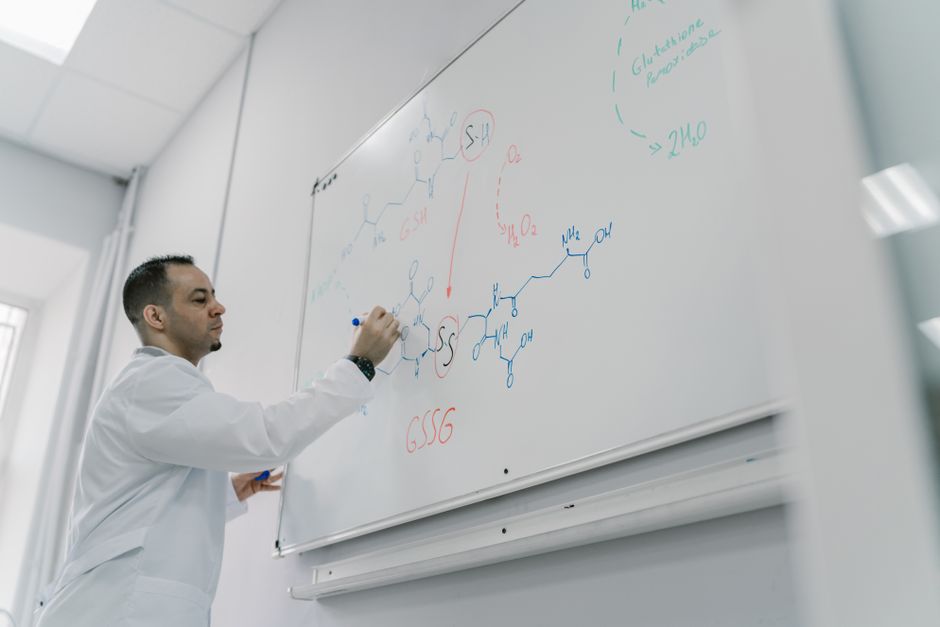
Cooling gel works by combining water, alcohol, and menthol to pull heat away from your skin and trick your nervous system into feeling cold. The water evaporates and carries heat with it, the menthol triggers cold-sensing receptors in your skin, and the alcohol speeds up the whole process. That is the short version. The longer version involves specific receptors, blood flow changes, and some important limits on what cooling gel can and cannot do.
How Does Cooling Gel Work The Science Explained
Cooling gels rely on three separate mechanisms that happen at the same time. Each one contributes to the cold sensation you feel within seconds of applying the gel.
The first mechanism is evaporation. Water and alcohol both evaporate at skin temperature. When they change from liquid to gas, they absorb heat from your skin. This is the same principle behind sweating. Alcohol evaporates faster than water, which is why many cooling gels contain it. The faster the evaporation, the quicker the cooling effect.
The second mechanism involves menthol, a compound found in peppermint and other mint plants. Menthol does not actually lower your skin temperature. Instead, it binds to a protein called TRPM8, which sits on the surface of certain nerve cells. TRPM8 normally responds to cold temperatures. When menthol activates it, your brain receives a cold signal even if your skin has not changed temperature much. This is why cooling gels feel cold immediately, sometimes before any meaningful evaporation has occurred.
The third mechanism is a mild counterirritant effect. Menthol and similar compounds can distract from pain signals by activating sensory nerves in the area. This does not fix the underlying problem, but it can change how you perceive discomfort for a short time.
Together, these three mechanisms produce the cooling sensation. None of them treat the cause of pain or swelling. They change how your skin and nerves respond.
What Is Actually Happening in Your Skin When You Apply Cooling Gel
When you rub cooling gel into your skin, the first thing that happens is a rapid drop in skin surface temperature. This drop is usually small — often just a few degrees — but it is enough to activate cold-sensitive nerve endings.
Blood vessels near the skin surface respond to this local cooling. They narrow slightly, which reduces blood flow to the area. This is why cooling gels are sometimes used after minor injuries. Less blood flow can mean less swelling and less heat at the surface.
That effect is temporary. Once the gel evaporates and the menthol wears off, blood flow returns to normal. The cooling gel does not repair tissue, reduce inflammation at the cellular level, or speed up healing in any proven way.
It is also worth knowing that the cooling sensation and the actual temperature change are not the same thing. Menthol can make you feel cold even when your skin temperature has barely changed. This is a sensory trick, not a true cooling effect. For minor discomfort, that trick can be useful. For anything more serious, it is just a distraction.
Does Cooling Gel Reduce Inflammation or Just Mask Pain?
Cooling gel does not reduce inflammation. It masks pain and creates a cooling sensation. That distinction matters.
Inflammation involves immune cells, chemical signals, and changes in blood vessel behavior deep in the tissue. Cooling gel sits on the surface of your skin. It cannot reach the deeper tissues where inflammation happens. Some ingredients in cooling gels may have mild anti-inflammatory properties in laboratory studies, but no large human trials have confirmed that these effects occur when the gel is applied to intact skin.
What cooling gel can do is interfere with pain signaling. The cold sensation from menthol and evaporation can temporarily override or reduce pain perception. This is called counterirritation. It is a real effect, but it is short-lived and does not change the underlying condition.
If you have swelling, redness, or heat coming from an injury or infection, cooling gel will not address those signs. It may make you feel better for a few minutes. It will not make the problem go away.



How Long Does Cooling Gel Last and What Affects Its Duration
Most cooling gels produce a noticeable effect for 15 to 45 minutes. The exact duration depends on the formulation, how much you apply, and the conditions around you.
Gels with higher alcohol content tend to feel cold faster but wear off sooner. Gels with more menthol may last longer because menthol stays on the skin after the water and alcohol have evaporated. Occlusive dressings or covering the area can extend the effect by trapping moisture and slowing evaporation.
Room temperature matters too. In a hot, humid environment, evaporation slows down and the cooling effect may be weaker. In a dry, breezy environment, evaporation speeds up and the effect may be stronger but shorter.
No clinical guidelines specify an exact duration for cooling gel effects because the formulations vary widely. If a product claims to last for hours, that claim is not supported by independent research.
What Cooling Gel Cannot Do: Limits and Misconceptions
Cooling gel is not a treatment for any medical condition. It is a topical product that changes sensation. That is its only proven function.
It does not heal muscle tears, repair joints, cure arthritis, or reduce chronic inflammation. It does not penetrate deeply enough to affect muscles or joints. It does not replace ice or compression for acute injuries. It does not lower core body temperature, which matters if you are overheated from exercise or heat exposure.
Some products combine cooling agents with analgesics like lidocaine or NSAIDs. Those ingredients may have their own effects, but the cooling component itself does not add pain-relieving power beyond the sensory distraction.
There is also a common misconception that cooling gel and ice work the same way. Ice physically lowers tissue temperature and can reduce blood flow and swelling in a controlled way. Cooling gel mostly changes sensation. They are not interchangeable.
Who Should Be Careful With Cooling Gel
Cooling gel is generally well tolerated, but some people should be cautious.
- People with sensitive skin may experience irritation, redness, or a burning sensation from menthol or alcohol.
- Do not apply cooling gel to broken skin, open wounds, or rashes. It can cause stinging and may introduce irritants into the skin.
- Keep cooling gel away from eyes, mucous membranes, and genitals. Menthol and alcohol can cause significant irritation in these areas.
- Children may be more sensitive to menthol. No clinical guidelines currently exist for cooling gel use in infants or young children. Ask a pediatrician before using it on a child.
- Pregnant women should check with a healthcare provider before using products containing menthol or other active ingredients, especially over large areas.
If you experience severe burning, blistering, or an allergic reaction, stop using the product and seek medical attention.
How Cooling Gel Compares to Other Topical Cooling Options
Cooling gel is one of several ways to create a cold sensation on the skin. Others include ice packs, cold compresses, and topical sprays.
| Method | How It Works | Duration | Best For |
|---|---|---|---|
| Cooling gel | Evaporation + menthol receptor activation | 15–45 minutes | Minor aches, sensory distraction |
| Ice pack | Direct tissue cooling | 10–20 minutes per session | Acute injuries, swelling |
| Cold compress | Direct tissue cooling with moisture | 10–20 minutes per session | Minor burns, headaches |
| Topical spray | Rapid evaporation, often with menthol | 5–20 minutes | Quick relief over larger areas |
Ice and cold compresses physically lower tissue temperature and can reduce blood flow. Cooling gel mostly changes sensation. If your goal is to reduce swelling after an injury, ice is the better choice. If your goal is to feel a cooling sensation on intact skin, cooling gel works fine.
Frequently Asked Questions
How long does cooling gel take to work?
Cooling gel usually produces a cold sensation within seconds to a few minutes of application. The menthol effect is almost immediate, while evaporation-based cooling builds over the first few minutes.
Is cooling gel the same as ice?
No. Ice physically lowers tissue temperature and can reduce blood flow and swelling. Cooling gel mainly changes skin sensation through menthol and evaporation without significantly cooling deeper tissues.
Can cooling gel reduce swelling?
Cooling gel does not reduce swelling in any proven way. It may feel soothing, but it does not address the underlying inflammation or fluid buildup that causes swelling.
Can you use cooling gel on your face?
Some cooling gels are formulated for facial use, but you should avoid getting them in your eyes or mouth. Menthol and alcohol can cause significant irritation on sensitive facial skin.
