
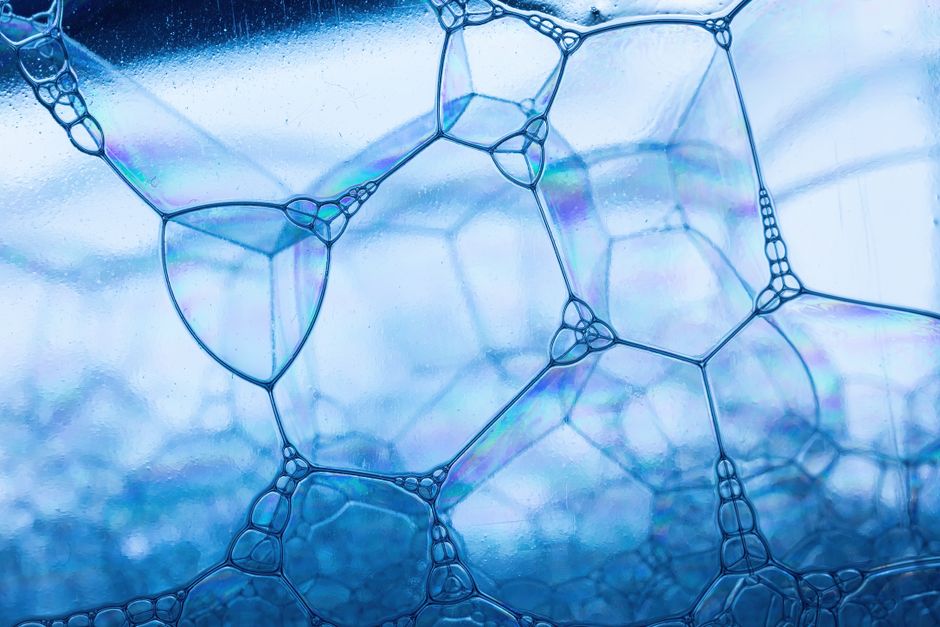
Seeing bubbles in your toilet bowl after you pee is usually nothing to worry about. Most of the time, it is just air mixing with your urine stream, especially if you pee from a height or into a toilet with water already in it. But sometimes, persistent or foamy urine can signal that protein is leaking into your pee, which may point to a kidney issue. The key is knowing the difference between simple bubbles that disappear quickly and a thick foam that lingers.
What Causes Bubbles in Urine?
Bubbles happen when air gets trapped in liquid. When you pee, the force of the stream hitting the toilet water creates turbulence, which traps air and forms bubbles. This is the same reason shaking a soda bottle makes foam. If the bubbles pop within a few minutes, it is almost certainly just air.
Another common cause is a strong urinary stream. If you have been holding your pee for a while, the pressure increases, and the stream hits the water harder. This creates more bubbles. Toilet bowl cleaners or chemical residues can also cause bubbles to form and stick around longer than normal.
Dehydration can make urine more concentrated. Concentrated urine has higher levels of waste products, which can change the surface tension of the liquid and make bubbles last longer. Drinking more water usually fixes this.
When Should You Worry About Foamy Urine?
The real concern is foamy urine, not bubbly urine. Foam looks like the froth on top of a beer or an egg white beaten into peaks. It does not disappear quickly. Bubbles are large and pop fast. Foam is tiny and persistent. This distinction matters because foam can mean protein is present.
Protein in urine, called proteinuria, happens when the kidneys’ filters are damaged. Healthy kidneys keep large molecules like protein inside the blood. When the filters are stressed or scarred, protein leaks through and ends up in urine. The protein changes the surface tension of urine, creating stable foam.
The CDC reports that about 15% of US adults have some form of chronic kidney disease, though most do not know it. Foamy urine can be an early sign. But it is not a diagnosis on its own. Many people with proteinuria have no visible foam at all. And some people with foamy urine have perfectly healthy kidneys.
What Does the Science Say About Protein in Urine?
Research published in the American Journal of Kidney Diseases has found that persistent foamy urine is associated with higher levels of protein leakage. One study followed over 2,000 adults for five years. Those who reported consistent foamy urine were more likely to show elevated protein on lab tests. But the correlation was not perfect. About 30% of people with lab-confirmed proteinuria never noticed foam.
The National Kidney Foundation explains that a simple urine dipstick test can detect protein. If the test shows trace amounts, it may not be significant. But if it shows 1+ or more on multiple tests, further evaluation is needed. A 24-hour urine collection or a spot urine protein-to-creatinine ratio gives a more precise measurement.
Transient proteinuria is common. It can happen after intense exercise, fever, stress, or even standing for long periods. This type is harmless and goes away on its own. Persistent proteinuria, however, needs medical attention. The difference is timing. If foam appears every day for more than a week, it is worth checking.





Foamy Urine vs. Bubbly Urine: A Quick Comparison
| Feature | Bubbly Urine | Foamy Urine |
|---|---|---|
| Appearance | Large, clear bubbles | Small, white, frothy foam |
| Duration | Disappears within minutes | Lingers for 10+ minutes |
| Likely cause | Air from stream force | Protein or other solutes |
| Common triggers | Strong stream, dehydration, cleaner residue | Kidney stress, infection, diabetes |
| When to test | Rarely needed | If persistent for a week |
This table is a rough guide, not a diagnostic tool. If you are unsure, a simple urine test from your doctor will give you a clear answer. Do not rely on visual inspection alone.
What Other Health Conditions Can Cause Foamy Pee?
Kidney disease is the most serious cause, but it is not the only one. Diabetes that is poorly controlled can cause glucose to spill into urine. High glucose levels change the chemical makeup of urine and can create foam. The American Diabetes Association notes that diabetic kidney disease is a leading cause of end-stage renal failure.
Urinary tract infections can also produce foam. Bacteria and white blood cells in urine can alter its surface tension. If you have other UTI symptoms like burning, frequency, or cloudy urine, that is likely the cause. A urine culture will confirm it.
Retrograde ejaculation is a less common cause in men. This happens when semen enters the bladder instead of exiting through the urethra. The semen mixes with urine and creates foam. Men with diabetes or those who have had prostate surgery are at higher risk. A semen analysis of urine can confirm this.
Preeclampsia during pregnancy can cause proteinuria and foamy urine. The American College of Obstetricians and Gynecologists recommends regular urine protein screening for pregnant women after 20 weeks. If you are pregnant and notice foam, tell your OB-GYN immediately.
Common Misconceptions About Bubbles in Pee
One widespread myth is that bubbles in urine always mean kidney failure. This is not true. Most people with bubbles have nothing wrong with them. The internet is full of fear-mongering articles that take a normal bodily variation and turn it into a crisis. Do not panic based on what you read online.
Another misconception is that drinking more water will always fix foamy urine. It helps with dehydration-related bubbles, but it will not fix proteinuria caused by kidney damage. If your kidneys are leaking protein, drinking extra water just dilutes the urine. The protein is still there. The foam may become less visible, but the underlying issue remains.
Some people believe that home urine tests from the pharmacy are as accurate as lab tests. They are not. Home dipsticks can give false positives or false negatives. They are useful for screening but not for diagnosis. If you get a positive result at home, follow up with a lab test.
There is also a myth that eating certain foods causes bubbles. No credible evidence links specific foods to foamy urine. Beans, eggs, or high-protein diets do not directly cause proteinuria in healthy kidneys. Your kidneys filter what they are supposed to. If they are damaged, the cause is medical, not dietary.
What to Do If You Notice Foamy Urine
First, observe the pattern. Is the foam there every time you pee, or just occasionally? Does it happen after exercise or when you are dehydrated? Keep a simple log for one week. Note the time of day, what you ate, and how much water you drank. This information helps your doctor.
Second, schedule a routine checkup with your primary care provider. Ask for a urinalysis. This is a cheap, quick test that can detect protein, glucose, blood, and infection markers. If the test is normal, you can stop worrying. If it shows protein, your doctor will repeat the test to confirm persistence.
Third, check your blood pressure. High blood pressure is a leading cause of kidney damage. The American Heart Association says normal blood pressure is below 120/80. If yours is elevated, managing it can protect your kidneys. Lifestyle changes like reducing sodium, exercising, and limiting alcohol help.
If you already have diabetes, monitor your blood sugar closely. The National Institute of Diabetes and Digestive and Kidney Diseases recommends annual urine albumin tests for people with type 2 diabetes. Early detection of kidney damage allows for interventions that slow progression.
Frequently Asked Questions
Frequently Asked Questions
Is it normal to have bubbles in urine every day?
Yes, if the bubbles pop quickly and there are no other symptoms. Daily bubbles from a strong stream or concentrated urine are normal.
Can dehydration cause foamy urine?
Yes, dehydration makes urine more concentrated, which can create foam. Drinking water usually resolves this within a few hours.
Does foamy urine always mean kidney disease?
No. Many other conditions like UTIs, diabetes, or retrograde ejaculation can cause foam. Persistent foam warrants a urine test.
How do doctors test for protein in urine?
Doctors use a urine dipstick test first. If positive, they may order a 24-hour urine collection or a protein-to-creatinine ratio for precise measurement.
