
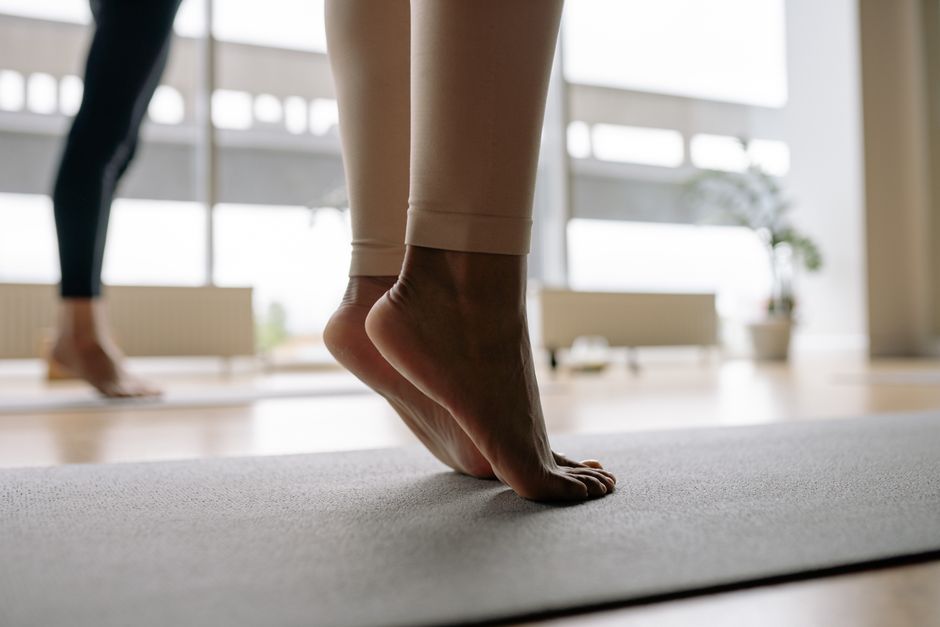
Toe cramps happen when a muscle in your foot suddenly contracts and won’t relax. The most common causes are dehydration, low electrolytes, muscle fatigue, or sitting in one position too long. Most toe cramps are harmless and stop within seconds or minutes. Understanding why they happen helps you stop them faster and prevent future episodes.
What causes toe cramps?
Several things can trigger a toe cramp. Muscle overuse from walking, running, or standing for hours is a common reason. Tight or poorly fitting shoes can force your toes into cramped positions. Dehydration and low levels of minerals like potassium, magnesium, calcium, or sodium also play a role. Poor blood flow to the feet, especially from sitting with crossed legs or wearing tight socks, can cause cramps. Certain medical conditions such as peripheral artery disease, diabetes, or nerve compression in the spine can make toe cramps more frequent.
Some medications list muscle cramps as a side effect. Diuretics, statins, and blood pressure drugs are examples. If your cramps started after a new medication, talk to your doctor.
Why do your toes keep cramping at night?
Nighttime toe cramps are very common. As you sleep, your foot often points downward and your toes curl. This shortens the muscles in your foot and makes them more likely to cramp. Blood flow can also decrease slightly during sleep. Some research suggests that nerve signals become slightly altered at night, making muscles more excitable. If you get dehydrated during the day, that effect can show up as cramps at night.
Changing position or getting up to stretch usually stops the cramp. Keeping your sheets loose at the foot of the bed can prevent your toes from being forced into a curled position.
The science behind muscle cramps
A cramp is a sustained, involuntary muscle contraction. Normally, your brain sends a signal through nerves to your muscles. The muscle fibers contract, then relax. During a cramp, the nerve keeps firing signals repeatedly. The muscle stays tight and does not get the signal to let go.
Scientists believe this happens when the muscle spindles — tiny sensors inside muscles — become overly sensitive. Low electrolytes or dehydration disrupt the electrical balance across nerve and muscle cell membranes. Without the right mix of sodium, potassium, calcium, and magnesium, cells cannot reset properly after firing. This makes a sustained contraction more likely.
Toe cramps specifically affect the small muscles that flex and extend your toes. These muscles are easily fatigued and have a limited blood supply compared to larger leg muscles, so they cramp more readily.





Can dehydration or low electrolytes cause toe cramps?
Yes. Water and electrolytes are essential for normal nerve and muscle function. When you lose fluids through sweat, breathing, or not drinking enough, the balance of minerals in your blood shifts. Even a small change can make muscles more irritable.
Sodium and potassium are the most important for nerve signals. Calcium helps trigger muscle contraction, and magnesium helps muscles relax. A deficiency in any of these can increase cramp frequency. However, most people do not have severe deficiencies. Mild imbalances from sweating, a low-carb diet, or not eating enough vegetables are more typical triggers.
Sports drinks or electrolyte tablets can help if you are active and sweating heavily. But for most people, plain water and a balanced diet are enough. Drinks with added electrolytes are not proven to prevent cramps better than water in someone who is not dehydrated.
How to stop a toe cramp when it happens
The fastest way to stop a toe cramp is to stretch the cramped muscle. If your toes are curling under, gently pull them upward toward your shin. If they are curling upward, press them downward. This opposes the contraction and signals the muscle to relax.
Massage the area firmly with your fingers. Apply heat with a warm towel or soak your foot in warm water. If the cramp persists, stand up and put weight on the foot. The pressure and stretch together often stop the cramp within a few seconds.
Do not poke or force the toe aggressively. Gentle steady pressure works better and avoids injury.
How to prevent toe cramps
Stay hydrated throughout the day. Drink water with meals and before, during, and after exercise. Eat foods rich in potassium (bananas, potatoes, spinach), magnesium (nuts, seeds, dark chocolate), and calcium (dairy, leafy greens). Avoid high-sodium processed foods, which can throw off your electrolyte balance.
Wear shoes with a wide toe box. Your toes should be able to wiggle freely. Avoid high heels or narrow shoes for long periods. Stretch your feet and toes daily. A simple stretch: sit with your leg extended and gently pull your toes back with your hand. Hold for 15 to 30 seconds.
If you sit at a desk, get up and walk every hour. This keeps blood flowing to your feet. If you exercise regularly, warm up properly and stay well hydrated. Gradually increase intensity rather than sudden bursts.
When to see a doctor
Most toe cramps do not need medical attention. But see a doctor if cramps are severe, happen very often, or wake you up night after night. Also see a doctor if you notice swelling, redness, weakness, or numbness in your foot. These could signal a blood clot, nerve problem, or circulation issue.
If your cramps are linked to a medication you take, your doctor may adjust the dose or switch drugs. Blood tests can check for electrolyte imbalances, thyroid problems, or kidney function. If a doctor suspects peripheral artery disease, they may check blood flow in your legs.
Do not ignore cramps that come with leg swelling, skin color changes, or pain when walking. These need evaluation.
Frequently Asked Questions
Are toe cramps a sign of something serious?
Most toe cramps are not serious and result from dehydration, muscle fatigue, or footwear. But frequent, severe cramps may indicate an electrolyte imbalance, nerve compression, or circulation problem that needs medical evaluation.
What deficiency causes toe cramps?
Low levels of potassium, magnesium, calcium, or sodium can increase the risk of muscle cramps. These deficiencies are usually mild and correctable with diet or, in some cases, supplements.
How do I get rid of a toe cramp quickly?
Stretch the toe in the opposite direction of the cramp and massage the area firmly. Applying heat or standing up and putting weight on the foot also helps stop the cramp within seconds.
Why do my toes curl and cramp?
Toes curl and cramp when the flexor muscles contract too strongly and do not relax. This often happens from dehydration, fatigue, or holding your toes in a curled position for too long, such as in tight shoes or while sleeping.
