
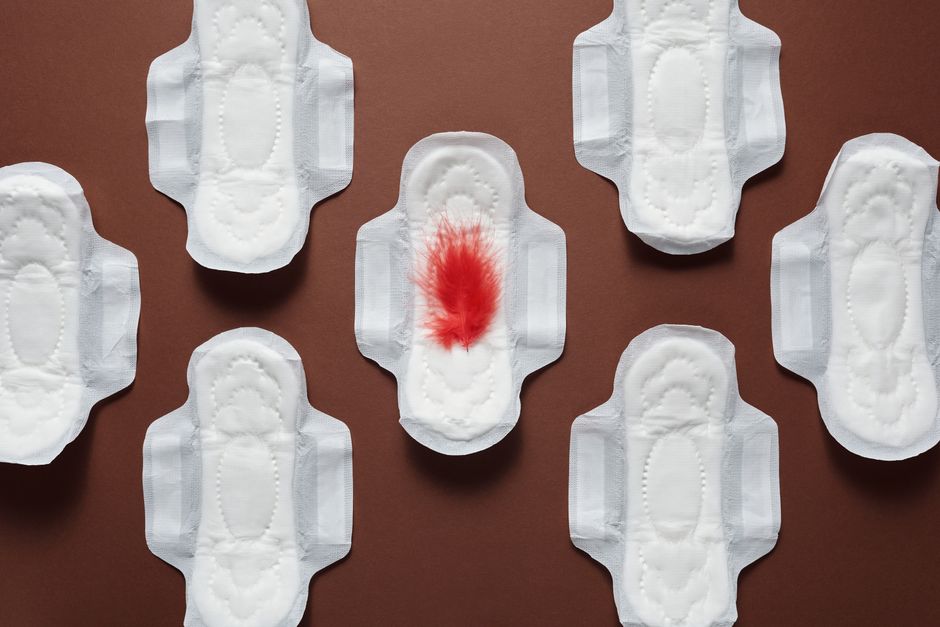
Brown discharge is what happens when blood leaves the uterus slowly and takes longer than usual to exit the body. As blood sits in the vagina and is exposed to oxygen, it darkens from bright red to brown or even black. That is the entire mechanism. It is old blood, not a different substance, and in most cases it is not a sign of anything dangerous.
What matters is the timing, the pattern, and whether it comes with other symptoms. Brown discharge can be completely normal at the start or end of a period, around ovulation, or in early pregnancy. It can also be the first sign of an infection, a hormonal shift, or a structural issue in the reproductive tract. The color alone does not tell you which one you are dealing with.
Why Do You Have Brown Discharge?
The color of vaginal discharge is determined by how long blood has been in contact with oxygen. When the uterus sheds blood quickly, it stays bright red. When it exits slowly — over hours or days — hemoglobin breaks down and the blood turns brown.
This slow exit can happen for several reasons. The most common is the natural tapering of a period. The uterine lining sheds fastest in the first day or two, then slows. What remains trickles out over the following days as brown or dark discharge. This is normal and does not require treatment.
Brown discharge can also come from small amounts of blood that never fully left the uterus during the previous cycle. Old blood from a prior period can be released later, especially after a change in position, exercise, or a bowel movement.
Hormonal contraception is another common cause. Low-dose birth control pills, hormonal IUDs, and the implant can cause breakthrough bleeding that appears brown because the flow is light and slow. This is a known side effect and not usually a sign of a problem, though it can be persistent.
Ovulation is a lesser-known trigger. Some women notice a small amount of brown or pink-tinged discharge mid-cycle when the follicle ruptures and estrogen levels shift briefly. This is generally harmless.
Is Brown Discharge Normal or a Sign of Something Wrong?
Brown discharge is normal in several predictable situations. It is not automatically a warning sign.
Normal situations include:
- The last day or two of a period
- The first day or two of a period, when old blood from the previous cycle is clearing
- Mid-cycle around ovulation
- In the weeks after starting or changing hormonal birth control
- In early pregnancy, when implantation bleeding can appear as light brown spotting
- After a pelvic exam, Pap smear, or vaginal ultrasound, when minor cervical irritation causes a small amount of old blood to exit
Situations that warrant a medical evaluation include:
- Brown discharge that continues for more than a few days without a clear cause
- Discharge with a foul odor, itching, burning, or pelvic pain
- Brown discharge between periods that happens repeatedly
- Brown discharge after menopause
- Brown discharge during pregnancy, especially with cramping or tissue passing
- Brown discharge with fever, pain during sex, or pain when urinating
Postmenopausal bleeding is the one situation where the threshold for evaluation is low. Any vaginal bleeding after menopause — brown, pink, or red — should be assessed by a clinician. It is not always serious, but the range of possible causes includes conditions that need to be ruled out.
What Causes Brown Discharge Between Periods?
Bleeding between periods is called intermenstrual bleeding. When it is light and slow, it appears brown. The causes fall into a few categories.
Hormonal causes. Irregular estrogen and progesterone levels can cause the uterine lining to shed unpredictably. This is common in perimenopause, polycystic ovary syndrome (PCOS), thyroid disorders, and in the first months of hormonal contraception. Stress and significant weight change can also disrupt the hormonal cycle enough to cause spotting.
Structural causes. Fibroids, polyps, and adenomyosis can cause irregular bleeding. These are non-cancerous growths in or around the uterus. They do not always cause symptoms, but when they do, brown or pink discharge between periods is one possible sign.
Infections. Cervicitis (inflammation of the cervix) and certain sexually transmitted infections can cause spotting or discharge that may appear brown. This is more likely if there is also odor, pain, or discharge that is unusual in texture.
Pregnancy-related causes. Implantation bleeding occurs when a fertilized egg attaches to the uterine lining, usually around 10 to 14 days after conception. It is typically light and can appear brown or pink. Ectopic pregnancy and miscarriage can also cause brown discharge, often with cramping or pain. Any bleeding in pregnancy should be discussed with a clinician.
Medications and devices. Birth control pills, hormonal IUDs, emergency contraception, and some anticoagulant medications can all cause breakthrough bleeding.





What Does Brown Discharge Look Like at Different Times?
The appearance of brown discharge gives some clues about its source, though it is not a reliable diagnostic tool on its own.
| Timing | Typical appearance | Common cause |
|---|---|---|
| End of period | Dark brown, thick, decreasing over days | Normal shedding of remaining menstrual blood |
| Mid-cycle | Light brown or pink, brief | Ovulation spotting |
| Early pregnancy | Light brown, small amount | Implantation bleeding |
| On hormonal birth control | Brown, irregular, light | Breakthrough bleeding |
| After menopause | Any color, any amount | Requires evaluation |
| With infection | Brown or yellow-green, often with odor | Cervicitis or vaginitis |
Brown discharge that is watery and continuous is different from brown discharge that is thick and clumpy. Watery discharge can suggest a different set of causes than thick discharge. This distinction is worth mentioning to a clinician.
When Should You See a Doctor About Brown Discharge?
Most brown discharge does not require urgent care. But there are specific situations where evaluation is appropriate.
See a clinician if:
- You are postmenopausal and have any vaginal bleeding
- You are pregnant and have brown discharge with cramping, pain, or tissue passing
- The discharge has a foul odor or is accompanied by itching, burning, or pain
- Bleeding between periods happens repeatedly over more than one cycle
- The discharge is heavy enough to require a pad or tampon
- You have pelvic pain, fever, or pain during sex
- You have recently started or changed hormonal birth control and the bleeding is persistent or heavy
For most other situations — a day or two of brown discharge at the end of a period, occasional mid-cycle spotting, or light breakthrough bleeding on a new pill — watchful waiting is reasonable. If it resolves, no further action is needed. If it continues or recurs, a clinician can help identify the cause.
Does Brown Discharge Mean You Are Pregnant?
Brown discharge can be a sign of early pregnancy, but it is not a reliable one on its own. Implantation bleeding affects some women and not others. Many women who are pregnant never experience it.
If you have had unprotected sex and are noticing brown discharge around the time your period would be due, a home pregnancy test is the most direct way to find out. A test is most accurate after a missed period.
Brown discharge in early pregnancy can also be a sign of something that needs attention, including ectopic pregnancy or early miscarriage. If you know you are pregnant and have brown discharge with cramping or pain, contact a clinician. Do not wait to see if it resolves on its own.
What About Brown Discharge After Sex or After a Pelvic Exam?
Light brown discharge after sex or after a pelvic exam is common and usually harmless. The cervix is sensitive and can bleed slightly when irritated. That blood exits slowly and appears brown.
If it happens once and resolves within a day or two, it is generally not a concern. If it happens repeatedly after sex, it is worth mentioning to a clinician. Recurrent postcoital bleeding can be a sign of cervical inflammation, a polyp, or another condition that should be evaluated.
Frequently Asked Questions
Is brown discharge a sign of pregnancy?
It can be, but it is not a reliable sign on its own. Implantation bleeding happens in some pregnancies and not others, so a pregnancy test is the only way to know for certain.
Can brown discharge be a sign of cancer?
In rare cases, yes — especially in postmenopausal women. Any vaginal bleeding after menopause should be evaluated by a clinician to rule out serious causes.
Why is my discharge brown instead of red?
Brown discharge is blood that has been in the body longer and exposed to oxygen, which darkens it. Slow-flowing blood turns brown; fast-flowing blood stays red.
How long is brown discharge normal after a period?
One to three days of light brown discharge at the end of a period is typical. If it continues beyond that or happens repeatedly between periods, it is worth discussing with a clinician.
