
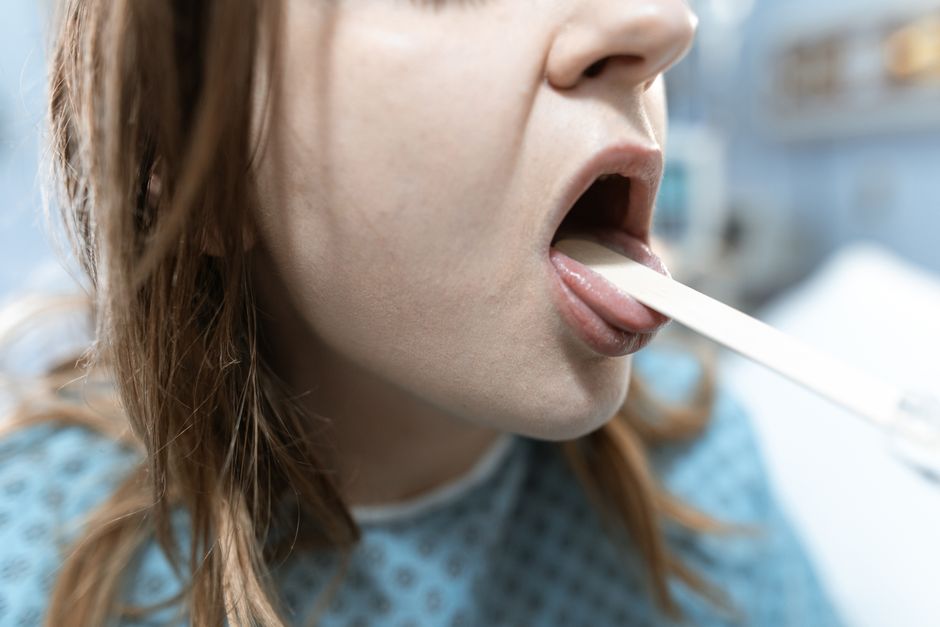
That bump on your tongue that looks and feels like a pimple is most likely not a pimple at all. True pimples form in hair follicles, and your tongue has none. What you have is probably a transient lingual papillitis — a small, inflamed bump on one of your taste buds. It is common, usually harmless, and typically clears up on its own within a few days.
What Causes Those Bumps on Your Tongue?
Your tongue is covered in tiny bumps called papillae. These contain your taste buds. When one of these papillae gets irritated or inflamed, it swells up and turns red or white. That is what most people call a tongue pimple.
The most common cause is transient lingual papillitis (TLP). Research published in the Journal of the American Academy of Dermatology describes TLP as a common inflammatory condition. It usually appears as one or a few painful red or white bumps on the tip or sides of the tongue.
Other causes include:
- Minor trauma — biting your tongue, eating something sharp like chips, or scraping it with a toothbrush
- Stress — some studies suggest stress can trigger TLP flare-ups
- Acidic or spicy foods — these can irritate the papillae directly
- Allergic reactions — to certain foods, toothpaste ingredients, or mouthwashes
- Hormonal changes — some women report bumps during their menstrual cycle
There is no evidence that these bumps are caused by poor hygiene. Washing your mouth more will not prevent them.
Is It a Pimple, a Canker Sore, or Something Else?
Many people confuse these bumps with canker sores. They are different conditions with different causes.
| Feature | Tongue Bump (TLP) | Canker Sore | Oral Herpes |
|---|---|---|---|
| Appearance | Small red or white bump | Shallow white or yellow ulcer with red border | Cluster of small blisters |
| Location | On the tongue surface | Inside cheeks, lips, or under tongue | Usually on lips or gums |
| Pain | Mild to moderate when touched | Sharp, burning pain | Tingling before blisters appear |
| Healing time | 1-3 days | 7-14 days | 7-10 days |
| Contagious | No | No | Yes |
If the bumps appear in clusters, last longer than two weeks, or come with fever or swollen lymph nodes, see a doctor. That is not normal TLP.
What Does Research on Tongue Bumps Actually Show?
Research on transient lingual papillitis is limited but consistent. A 2021 review in the Journal of Oral Pathology and Medicine confirmed that TLP is a self-limiting condition. That means it goes away without treatment.
The same review found that the cause is not fully understood. Irritation from food, stress, and minor injury are the most commonly reported triggers. But no single cause explains every case.
One study from the British Journal of Dermatology noted that TLP appears more often in people with a history of allergies or eczema. This connection is not fully proven, but it suggests some people may be more prone to these bumps than others.
Importantly, there is no research linking tongue bumps to cancer. If a bump lasts more than two weeks without healing, it should be checked. But the vast majority of these bumps are benign inflammatory reactions.




What Actually Helps a Tongue Bump Heal Faster?
Most tongue bumps heal on their own in one to three days. You do not need to treat them. But if the bump is painful, a few simple steps can help.
Salt water rinse. Mix half a teaspoon of salt in a cup of warm water. Swish gently for 30 seconds and spit. Do this twice a day. The salt helps reduce inflammation and keeps the area clean.
Avoid irritants. Stay away from spicy, acidic, or very hot foods until the bump heals. Chips, citrus fruits, and coffee are common triggers. Stick to soft, bland foods for a day or two.
Ice. Suck on an ice cube or sip cold water. This numbs the area and reduces swelling.
Over-the-counter gels. Products containing benzocaine or lidocaine can numb the spot temporarily. These are safe for short-term use on the tongue.
Good oral hygiene. Brush gently around the bump. Do not scrub it. Keep your mouth clean to prevent any secondary infection.
There is no evidence that vitamin supplements, essential oils, or herbal rinses speed up healing. Some people report relief from aloe vera or chamomile, but clinical studies are lacking.
When Should You See a Doctor About a Tongue Bump?
Most tongue bumps are harmless and short-lived. But some signs warrant a medical check.
See a doctor or dentist if:
- The bump lasts longer than two weeks without healing
- You have multiple bumps that keep coming back
- The bump bleeds easily or grows in size
- You have trouble swallowing or speaking
- You have a fever, swollen lymph nodes, or feel generally unwell
- The bump is hard or feels like a lump rather than a soft blister
These symptoms are rare with simple TLP. They could indicate a different condition that needs attention. Oral cancer is extremely rare on the tongue, but persistent sores should always be checked.
As of 2026, there is no clinical evidence that any home remedy can cure a tongue bump faster than time alone. If a bump does not go away, do not keep trying treatments. See a professional.
Common Misconceptions About Tongue Pimples
Social media is full of advice about tongue bumps. Much of it is wrong.
Myth: Popping a tongue pimple helps it heal. Do not try to pop or drain a tongue bump. There is no pus inside a TLP bump. Squeezing it will only cause more inflammation and pain. It can also introduce bacteria and cause infection.
Myth: Tongue bumps mean you have an STD. This is widely claimed, but strong evidence is limited. Oral herpes can cause blisters, but those look different from TLP bumps. Most tongue bumps have nothing to do with sexually transmitted infections.
Myth: You need antibiotics. TLP is not a bacterial infection. Antibiotics will not help. Using them unnecessarily contributes to antibiotic resistance.
Myth: Tongue bumps mean you are deficient in vitamins. Some people report this, but no large study has confirmed a link between TLP and vitamin deficiency. If you have recurrent mouth sores of any kind, a blood test can check for deficiencies. But a single bump is not a sign of poor nutrition.
Frequently Asked Questions
Can you pop a pimple on your tongue?
No. You should never try to pop a bump on your tongue. It is not a real pimple and contains no pus. Popping it will cause more pain and swelling.
How long do tongue pimples last?
Most tongue bumps from transient lingual papillitis heal in one to three days without treatment. If a bump lasts longer than two weeks, see a doctor.
What causes a white pimple on the tip of the tongue?
A white bump on the tip of the tongue is usually an inflamed papilla from minor injury, stress, or irritation from acidic foods. It is rarely serious and heals quickly.
Are tongue pimples a sign of cancer?
No. Tongue bumps from TLP are not cancerous. But any sore that does not heal after two weeks, bleeds easily, or grows in size should be checked by a doctor.
