
You are going about your day, and suddenly there is blood. No injury. No warning. Just a random nose bleed. It is startling, and you probably wonder if something is wrong. The direct answer is that most random nose bleeds happen because the delicate blood vessels inside your nostrils become dry and cracked. This is often due to dry air, seasonal changes, or minor irritation. While it feels dramatic, the vast majority are harmless and stop on their own. However, understanding the specific root causes can help you know when to simply moisturize and when to pay closer attention.
What Actually Causes the Bleeding Inside Your Nose?
The inside of your nose is lined with a dense network of tiny blood vessels. They sit very close to the surface. Their job is to warm and humidify the air you breathe. This makes them vulnerable. When the air is dry, or when you have a cold, these tissues can dry out and crack. The medical term for this is epistaxis, and it is incredibly common.
Most nose bleeds start in the front part of the nose, on the nasal septum. This area is called Kiesselbach’s plexus. It is a spot where several arteries meet. Because the skin here is thin, even a small dry patch can cause a bleed. The other type comes from deeper in the nose. These are rarer and often heavier. They usually require medical attention. For the random, everyday nose bleed, you are almost always dealing with the front type.
Research shows that a sudden change in humidity is the single biggest trigger. When you turn on the heat in winter, the air inside your home becomes very dry. This dries out your nasal membranes. The same happens in air-conditioned spaces in summer. Your body cannot keep the tissue moist, and it cracks.
Why Do You Get Random Nose Bleeds Without Any Injury?
This is the question that worries people most. You did not get hit in the face. You did not pick your nose. Yet there is blood. The most common explanation is that the damage happened hours or days before the actual bleed. A small scab formed from a previous dry spell. You breathe, you move, or you simply roll over in bed, and that scab dislodges.
Blood then flows because the vessel underneath was still fragile. It was not a new injury. It was a delayed reaction. This is why you might wake up with blood on your pillow. It is also why a nose bleed can happen when you are just sitting still. The scab finally gives way.
Another common cause is nasal inflammation from allergies or a cold. When you are congested, the blood vessels swell. This makes them more likely to burst. A simple sneeze or a hard exhale can be enough. If you use nasal sprays for allergies, especially those with steroids, they can also thin the lining over time. This increases the risk of random bleeds. It is a known side effect, not a sign of something sinister.
Are Random Nose Bleeds a Sign of High Blood Pressure?
This is a persistent myth. Many people believe that a sudden nose bleed means their blood pressure is dangerously high. The evidence does not support this as a primary cause. Studies have found that while very high blood pressure can make a nose bleed harder to stop, it rarely starts one on its own.
Current research suggests that the relationship is more complicated. People with chronic high blood pressure may have stiffer blood vessels. This means that when a bleed does start, it is more severe. But the trigger is still usually dryness or irritation. If you have high blood pressure and get a nose bleed, it is a signal to check your numbers. But the bleed itself is not a reliable indicator that your pressure is spiking.
If you get a nose bleed and also have severe headache, chest pain, or vision changes, that is a different situation. That warrants emergency care. But for a random, isolated bleed in an otherwise healthy person, high blood pressure is almost never the cause. The dryness in your home is a much more likely culprit.





What Medications and Habits Increase Your Risk?
Certain medications make nose bleeds more likely. Blood thinners are the most obvious. This includes prescription drugs like warfarin and apixaban. It also includes over-the-counter options like aspirin and ibuprofen. These drugs do not cause the bleed. They just prevent the blood from clotting normally. So a tiny crack that would normally seal itself quickly keeps bleeding.
Nasal sprays are another common factor. Decongestant sprays like oxymetazoline can cause rebound congestion if used too long. This leads to more inflammation and dryness. Steroid sprays for allergies are effective, but they can thin the nasal lining. If you use one daily for months, your risk of random bleeds goes up. You can mitigate this by pointing the spray away from the center of your nose, toward your ear.
Habits matter too. Picking or blowing your nose forcefully is an obvious cause. But even gentle habits can be a problem. Sleeping with your mouth open dries out the nasal passages. So does breathing through your mouth during exercise in cold weather. If you notice a pattern of nose bleeds in the morning, dry air from mouth breathing is a strong suspect.
Here is a quick comparison of common causes and their typical treatments:
| Cause | Typical Trigger | Simple Solution |
|---|---|---|
| Dry Air | Heating or AC | Humidifier in bedroom |
| Allergies | Pollen or dust | Saline spray, antihistamines |
| Blood Thinners | Medication | Consult doctor before stopping |
| Nasal Spray Overuse | Decongestant sprays | Limit to 3 days max |
| Trauma (minor) | Nose picking or blowing | Keep nails short, blow gently |
How to Stop a Random Nose Bleed the Right Way
Most people tilt their head back. That is wrong. Tilting back lets blood run down your throat. This can cause nausea or gagging. It also makes it impossible to see if the bleeding has stopped. The correct method is simple and backed by first aid guidelines from major medical organizations.
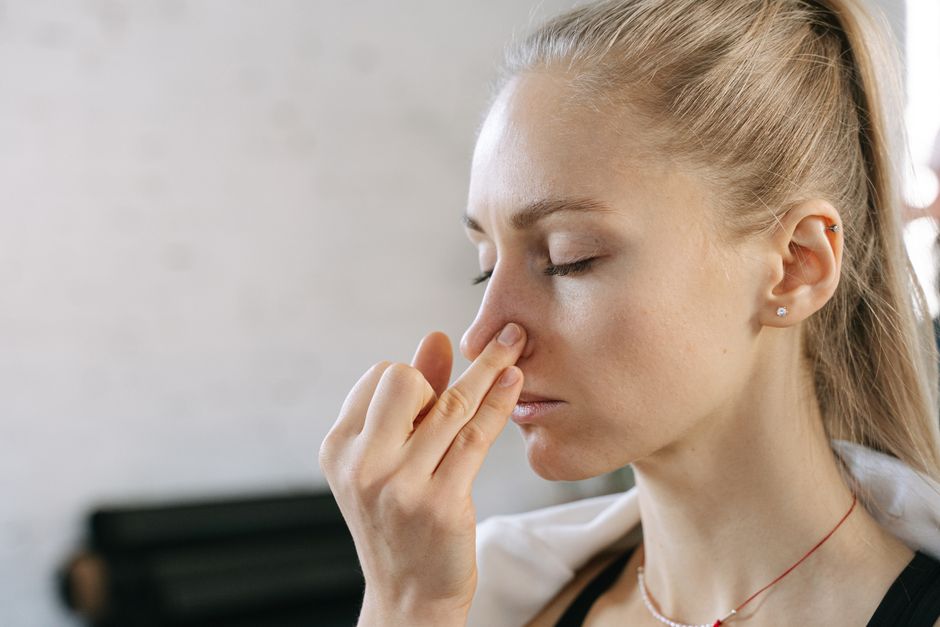
Sit up straight. Lean forward slightly. Pinch the soft part of your nose, just below the bony bridge. Use your thumb and index finger. Hold the pressure firmly for ten to fifteen minutes without checking. Do not let go to see if it stopped. The pressure allows a clot to form. If you check too early, you disrupt the clot and the bleeding restarts.
You can place an ice pack on the bridge of your nose. This constricts blood vessels and can help slow the flow. Do not pack your nose with tissue or cotton. This can stick to the clot and pull it off when you remove it. If you must use something, use a piece of gauze lightly moistened with water or a saline spray. But direct pressure is the most effective tool.
If the bleeding continues for more than twenty minutes despite proper pressure, or if it is very heavy, seek medical care. Also seek care if you are on blood thinners and cannot stop the bleeding, or if you feel faint. These are signs that the bleed may be coming from a deeper vessel that needs professional attention.
What Actually Works for Prevention?
Prevention is straightforward and focuses on moisture. A humidifier in your bedroom is the most effective tool. Aim for humidity levels around 40 to 50 percent. You can measure this with a cheap hygrometer. If a humidifier is not practical, a saline nasal spray or gel applied twice daily works well. Use it before bed and after showering.
Some people report success with applying a thin layer of petroleum jelly just inside the nostrils. This is widely claimed though strong evidence is limited for its effectiveness. It can help seal in moisture, but it also carries a small risk of causing lung problems if inhaled. A better option is a water-based nasal gel or saline ointment.
Avoid picking your nose. This sounds obvious, but many people do it unconsciously. Keep your nails trimmed. If you have allergies, treat them consistently. Uncontrolled allergies cause chronic inflammation that weakens the blood vessels. An antihistamine or a steroid spray used correctly can reduce your bleed frequency. Just remember to point the spray away from the septum.
As of 2026, there is no clinical evidence that dietary supplements like vitamin C or bioflavonoids prevent nose bleeds in healthy adults. While these are essential for general health, they do not specifically strengthen nasal blood vessels enough to prevent bleeds caused by dryness. Stick to moisture management.
Common Misconceptions About Nose Bleeds
One of the most persistent myths is that nose bleeds are caused by a lack of vitamin K. This is not accurate for the general population. Vitamin K deficiency is rare in adults who eat a normal diet. It only becomes a factor in people with severe malnutrition or certain digestive disorders. For most people, a nose bleed has nothing to do with their diet.
Another myth is that nose bleeds are more common in children because they are growing. The truth is children get more nose bleeds because they have smaller blood vessels closer to the surface and they pick their noses more often. As they grow, the anatomy changes and the habit usually stops. It is not a growth issue. It is a combination of anatomy and behavior.
Some people believe that a nose bleed is a sign of a brain tumor. This is a frightening thought, but it is extremely rare. Brain tumors can cause nose bleeds, but only when they are very advanced and pressing on specific structures. The symptoms would include persistent headaches, seizures, or vision problems long before a nose bleed appeared. A random nose bleed in an otherwise healthy person is almost never related to cancer.
Frequently Asked Questions
Can stress cause random nose bleeds?
Stress does not directly cause nose bleeds. However, stress can raise blood pressure and lead to nasal picking or rubbing, which can trigger a bleed.
How long is too long for a nose bleed?
If a nose bleed lasts longer than 20 minutes with direct pressure, you should seek medical attention. This may indicate a deeper bleed or a clotting issue.
Should I see a doctor for frequent nose bleeds?
Yes, if you get more than four nose bleeds in a week or they are heavy. An ENT doctor can check for structural problems or cauterize the blood vessel.
Is it safe to sleep after a nose bleed?
It is safe as long as the bleeding has fully stopped. Keep your head elevated on two pillows to reduce pressure in the nasal vessels while you sleep.
