
Blood is the delivery system that keeps every cell in your body alive. It carries oxygen from your lungs to your tissues, transports nutrients from your digestive system to where they are needed, and removes waste products before they can cause harm. Without blood, your organs would stop working within minutes, and no part of your body could survive.
Why Do We Need Blood How It Keeps You Alive? The Reason
Blood does far more than just move oxygen. It is a living tissue made of cells suspended in a liquid called plasma. That liquid carries hormones, proteins, and waste products between organs. It also regulates your body temperature by moving heat from your core to your skin, where it can be released. Every function of your body depends on blood reaching the right place at the right time.
The average adult has about 5 liters of blood. That volume is enough to reach every tissue in the body through a network of arteries, veins, and capillaries that would stretch over 60,000 miles if laid end to end. Your heart pumps this entire volume through that network roughly once every minute at rest.
What Does Blood Actually Do?
Blood has four main jobs, and each one is essential to survival.
Transporting oxygen and carbon dioxide. Red blood cells contain hemoglobin, a protein that binds oxygen in the lungs and releases it in tissues that need it. The same cells pick up carbon dioxide, a waste product of cellular energy production, and carry it back to the lungs to be exhaled. This exchange happens continuously, every second of every day.
Delivering nutrients. After you eat, your digestive system breaks food down into sugars, amino acids, and fats. These molecules enter the bloodstream and travel to the liver, muscles, and other tissues. The liver processes many of these nutrients and releases them back into the blood as needed. Without this delivery system, your cells would starve even if you ate constantly.
Removing waste. Your kidneys filter about 180 liters of blood every day. They remove urea, excess salts, and other waste products, excreting them in urine. The liver also removes toxins and old blood cells from circulation. If blood stops flowing to the kidneys for even a short time, waste builds up to dangerous levels.
Defending against infection. White blood cells travel in the bloodstream to sites of infection or injury. They identify and destroy bacteria, viruses, and damaged cells. Platelets and clotting proteins in blood also stop bleeding when you are injured. Both functions require blood to flow freely to every part of the body.
How Does Blood Carry Oxygen?
Oxygen does not dissolve well in liquid. If your blood were only plasma, it could carry only about 2 percent of the oxygen your body needs. That is where red blood cells come in.
Each red blood cell contains about 270 million hemoglobin molecules. Each hemoglobin molecule can bind four oxygen molecules. That means a single red blood cell can carry over one billion oxygen molecules at once. This design allows blood to carry roughly 70 times more oxygen than plasma alone could manage.
Oxygen binds to hemoglobin in the lungs, where oxygen levels are high. When blood reaches tissues with low oxygen levels, hemoglobin changes shape and releases the oxygen. This process is called the oxygen-hemoglobin dissociation curve. It is one of the most elegant mechanisms in human physiology, and it works automatically without any conscious effort.




What Happens When Blood Flow Stops?
When blood flow stops, tissue damage begins quickly. Brain cells start to die within minutes without oxygen. Heart muscle can survive longer, but it also fails without a steady supply. The time window varies by tissue, but the principle is the same everywhere: no blood means no life.
This is why heart attacks and strokes are so dangerous. A heart attack happens when a coronary artery becomes blocked, cutting off blood to part of the heart muscle. A stroke happens when blood flow to part of the brain is interrupted. In both cases, the affected tissue begins to die within minutes. The faster blood flow is restored, the less permanent damage occurs.
Blood loss is equally dangerous. Losing 15 to 20 percent of your blood volume causes your heart rate to rise and your blood pressure to drop. Losing more than 30 percent can lead to shock, where organs begin to fail because they are not receiving enough oxygen. This is why trauma patients receive blood transfusions quickly.
How Does the Body Control Blood Flow?
Your body does not send equal amounts of blood to every organ at all times. It prioritizes. At rest, your brain receives about 15 percent of your cardiac output, your kidneys about 20 percent, and your digestive system about 25 percent. During exercise, blood flow to muscles can increase by more than 20 times resting levels.
Blood vessels have muscles in their walls that can constrict or relax. When a vessel narrows, less blood flows through it. When it widens, more blood flows. This allows your body to redirect blood to where it is needed most. Your brain and heart get priority during stress. Your digestive system gets priority after a meal.
Hormones also control blood flow. Adrenaline narrows blood vessels in the skin and digestive tract while widening vessels in muscles. This is why your skin looks pale when you are scared or cold. The body is sending blood to where it matters most for immediate survival.
What Is Blood Made Of?
Blood is about 55 percent plasma and 45 percent cells. Plasma is mostly water, but it also contains proteins, electrolytes, hormones, and waste products. The cellular portion includes red blood cells, white blood cells, and platelets.
Red blood cells make up the vast majority of the cellular portion. They live about 120 days and are constantly replaced by new cells produced in your bone marrow. White blood cells are far fewer in number but are critical for immunity. Platelets are cell fragments that help blood clot.
Your body produces about 2 million red blood cells every second. This production rate can increase when oxygen levels drop, such as at high altitude or with certain medical conditions. The hormone erythropoietin, produced by the kidneys, controls this process.
Can You Live Without Blood?
No. Blood is not optional. Every organ in your body depends on it for oxygen, nutrients, waste removal, and immune defense. There is no substitute for blood, and no medical technology can replace all of its functions at once.
Blood transfusions can replace lost volume and oxygen-carrying capacity, but they are temporary measures. Artificial blood products exist for research and emergency use, but none can replicate the full range of blood functions. Your body must make its own blood continuously throughout your life.
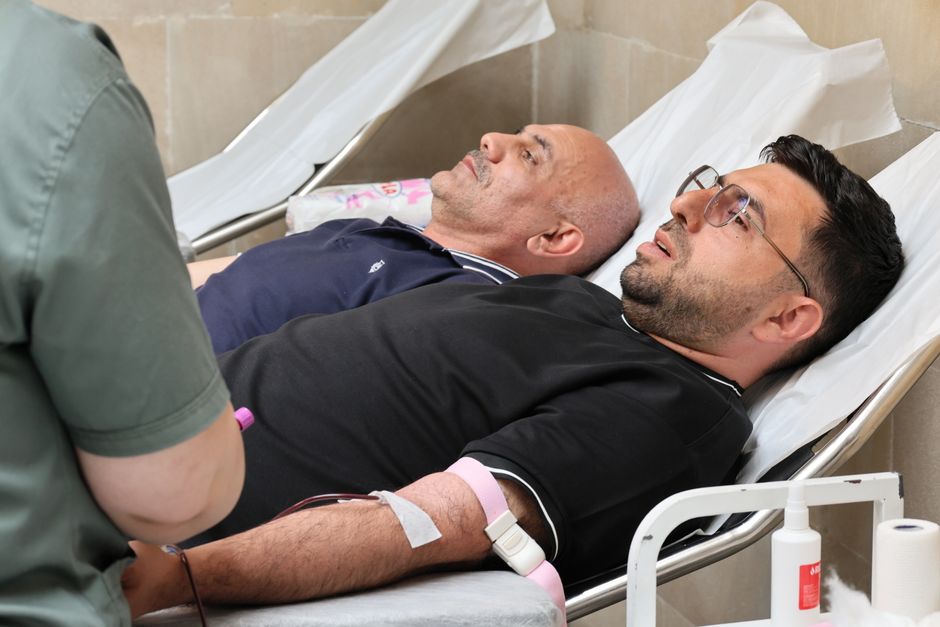
This is why blood donation matters. One donation can save up to three lives. Donated blood is separated into components, so red cells, plasma, and platelets can go to different patients who need them. The demand is constant, and the supply depends entirely on voluntary donors.
How Can You Keep Your Blood Healthy?
Your blood reflects your overall health. What you eat, how much you move, and whether you smoke all affect your blood quality and your blood vessels.
Iron is essential for hemoglobin production. Good sources include lean meat, beans, and leafy greens. Vitamin B12 and folate are also needed to make red blood cells. Deficiencies in any of these nutrients can cause anemia, a condition where your blood cannot carry enough oxygen.
Regular exercise strengthens your heart and keeps your blood vessels flexible. It also helps control blood pressure and cholesterol. Smoking damages blood vessels and makes blood more likely to clot. Quitting smoking improves blood flow within weeks.
Stay hydrated. Plasma is mostly water, and your body needs adequate fluid to maintain blood volume. Even mild dehydration can thicken your blood and make your heart work harder.
Frequently Asked Questions
How much blood does the average adult have?
The average adult has about 5 liters of blood. This volume varies with body size, with larger people having more blood.
How fast does blood travel through the body?
Blood leaves the heart at about 1 to 2 feet per second in the largest arteries. It slows dramatically in the capillaries, where oxygen exchange happens.
Can you survive losing half your blood?
Losing half your blood volume is usually fatal without immediate medical treatment. Losing more than 30 percent can already cause shock and organ failure.
What foods help make healthy blood?
Iron-rich foods like lean meat, beans, and spinach support red blood cell production. Vitamin C helps your body absorb iron from plant sources.
