
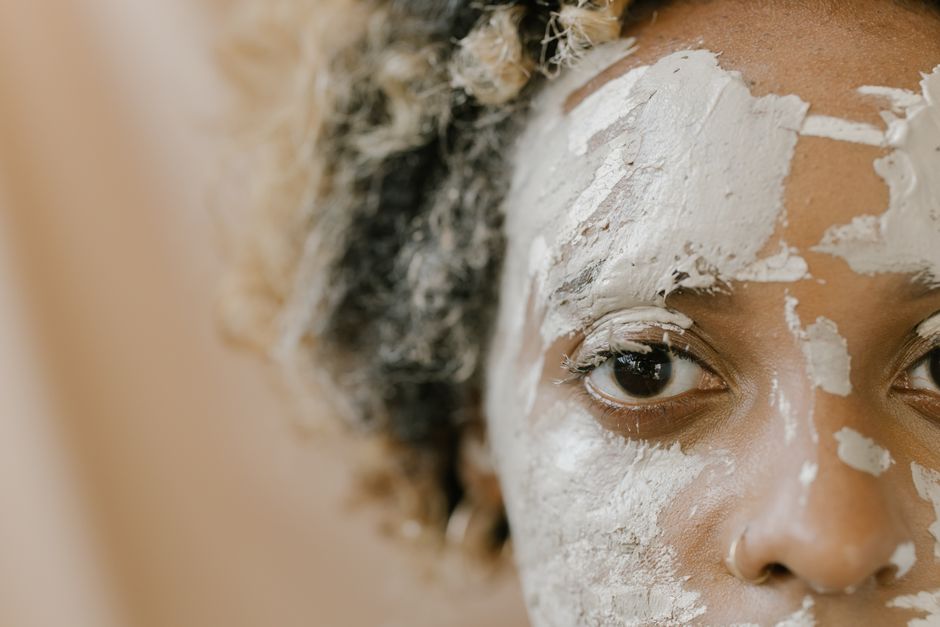
If your skin looks paler, duller, or a shade or two lighter every winter, you are not imagining it. The main reason is sun exposure: your skin produces less melanin when it gets less ultraviolet light, and winter delivers less UV than summer. Cold air, dry indoor heat, and less time outdoors add to the effect, making skin look lighter and more washed out than it does in July.
Why Does My Skin Get Lighter In The Winter?
Skin color comes mostly from melanin, a pigment made by cells called melanocytes in the outer layer of your skin. Melanin does more than tint your skin. It absorbs ultraviolet radiation and helps protect your DNA from sun damage.
When UV light hits your skin, it triggers a chain of events that ramps up melanin production. This is your skin’s built-in defense system, and it is also what causes a tan. More UV means more melanin. Less UV means less melanin. It really is that direct.
Winter reduces UV exposure in several ways at once:
- The sun sits lower in the sky, so its rays travel through more atmosphere and arrive weaker.
- Days are shorter, so there are fewer hours of strong sunlight.
- You cover up with sleeves, coats, hats, and scarves.
- You spend more time indoors.
Put those together and your melanocytes get far less stimulation than they did in summer. Over weeks, your skin gradually returns toward its baseline color — the shade you would have if you never tanned at all.
That last point matters. What many people call “winter skin” is really their natural, untanned skin reappearing as a summer tan fades. If you tanned deeply in July, the contrast in January feels dramatic. But your skin is not becoming unusually pale. It is returning to where it started.
Does Cold Weather Itself Change Your Skin Color?
Cold air does not bleach melanin or shut down melanocytes. The temperature itself is not what lightens your skin. But cold weather changes how your skin looks in ways that read as “lighter.”
Cold air holds less moisture, and indoor heating dries the air further. Your skin loses water and its surface becomes rougher and less reflective. Dry, flaky skin scatters light instead of bouncing it back smoothly, so it looks dull rather than glowing.
Cold also narrows blood vessels near the skin’s surface, a response that helps your body conserve heat. Less blood flow near the surface means less of the pink, rosy color that circulating blood normally adds. The result is a paler, cooler tone even when your actual melanin has not changed.
So there are two separate things happening. Melanin levels drift down because of less UV. Surface color and glow shift because of dryness and reduced blood flow. Both make skin look lighter, but only the first changes your true pigment level.
Why Do Some People Notice This More Than Others?
How much lighter your skin looks in winter depends on where you started. People with more melanin — deeper natural skin tones — often notice less of a shift, because their baseline color is already darker and a tan adds less contrast. People with fair skin, especially those who tan easily in summer, tend to see the biggest difference.
Where you live matters too. Someone in a northern state with short winter days and heavy cloud cover gets much less UV than someone in a southern state where winter sun is still fairly strong. Altitude plays a role as well, since UV intensity rises with elevation.
Your habits matter just as much. If you spend summer weekends outside and winter weeks indoors, the swing will be obvious. If you work outdoors year-round, your skin may barely change.
One more factor: some people simply pay more attention to their skin in winter. Dryness, flaking, and a dull complexion draw the eye. The change may be partly perceptual, but the underlying pigment shift from reduced UV is real.





Is Lighter Winter Skin a Sign of a Health Problem?
For most people, seasonal lightening is normal and not a medical concern. It follows a predictable pattern — lighter in winter, darker in summer — and reverses when sun exposure returns.
There are situations where a change in skin color is worth a doctor’s attention. These are different from ordinary seasonal shifts:
- Color loss that is patchy, blotchy, or sharply bordered rather than even
- Lighter patches that appear on only one part of the body
- Skin that loses pigment and does not regain it with sun exposure
- Color changes along with fatigue, weight change, or other symptoms
Conditions such as vitiligo, where the immune system attacks melanocytes, cause patches of pigment loss that are not seasonal and do not fade back in summer. Anemia and some thyroid problems can also make skin look paler, though the mechanism is different — it involves blood and circulation, not melanin.
If your skin lightening is even, follows the seasons, and returns to normal in spring and summer, it is almost certainly just the normal rhythm of pigment and sun. If it is patchy, one-sided, or persistent, get it checked. A doctor can tell the difference, and this article cannot.
Does Winter Skin Lightening Mean You Can Skip Sun Protection?
No. This is one of the most common and most costly winter mistakes.
UV radiation does not disappear in winter. It drops, but it is still present, and it still reaches your skin. Snow makes this worse. Fresh snow reflects a large share of UV back upward, so you can get a meaningful dose of UV even on a cold, overcast day — a well-documented effect that is why snowboarders and skiers sunburn more easily than they expect.
Clouds are also misleading. Overcast skies reduce UV but do not block it completely. You can still accumulate sun exposure on a gray winter day without feeling warm or seeing bright sun.
UVA, the longer-wavelength part of UV, passes through clouds and even window glass. It penetrates deeper into skin and contributes to aging and to skin cancer risk over time. UVB, which is more responsible for burning and for vitamin D production, is the part that drops most in winter at higher latitudes.
The practical takeaway: if you are outside for extended periods in winter, especially around snow or at altitude, sun protection still matters. This is standard guidance from dermatology organizations, and it does not change with the season.
What Actually Helps Winter Skin Look Better?
You cannot force your melanocytes to make more melanin without UV exposure, and deliberately seeking UV to darken your skin is not a good trade. Tanning — from the sun or a tanning bed — damages skin and raises skin cancer risk. There is no safe way to tan.
What you can do is address the dryness and dullness that make winter skin look washed out:
- Use a gentle cleanser instead of harsh soaps that strip oils.
- Apply moisturizer while skin is still damp, which helps trap water.
- Choose thicker creams or ointments in winter rather than light lotions.
- Run a humidifier to counter dry indoor air.
- Take shorter, lukewarm showers rather than long, hot ones.
These steps improve the look and feel of skin, and they are widely recommended by dermatologists for dry winter skin. They will not change your pigment level, because nothing topical does that in a meaningful, lasting way. But they can restore some of the glow that dry, tight skin takes away.
If you want to look more tanned in winter, self-tanning products that use dihydroxyacetone (DHA) darken the outer layer of skin temporarily. They do not involve UV and do not increase cancer risk. That is a genuine alternative to tanning beds, though the effect fades within days.
Does Less Sun in Winter Affect Vitamin D?
It can, and this is worth knowing because it is a real physiological consequence of the same reduced UV that lightens your skin.
Your skin makes vitamin D when UVB light hits it. In winter, at higher latitudes, UVB drops so low that skin makes little or no vitamin D, no matter how long you stay outside. This is well established. The exact latitude and months vary, but the general pattern is consistent: winter sun in much of the northern United States is too weak for skin to produce meaningful vitamin D.
Vitamin D levels are also influenced by diet, supplements, body weight, and individual factors. If you are concerned about your level, a blood test and a conversation with your doctor is the right path. Do not assume you need a specific dose, and do not take high doses without medical guidance, since vitamin D can build up to harmful levels.
The connection to skin color is straightforward: the same weak winter sun that lowers melanin production also lowers vitamin D production. Both are consequences of less UV reaching your skin.
When Does Skin Color Return to Normal?
For most people, skin darkens again in spring and summer as UV exposure increases. The timeline depends on how much sun you get and how your individual skin responds.
Some people tan quickly with a few days of sun. Others take weeks or tan very little at all. People with fair skin that burns easily may never develop much of a tan, which is a sign their skin has less natural protection. That is not a flaw — it is a signal to be careful.
If your skin does not darken at all when summer returns, or if pigment loss persists across seasons, that is worth mentioning to a doctor. But for the vast majority of people, the cycle repeats every year: lighter in winter, darker in summer, and back again.
Frequently Asked Questions
Why does my skin get lighter in the winter?
Your skin makes less melanin when it gets less ultraviolet light, and winter brings far less UV than summer. Covered skin, shorter days, and more time indoors all reduce UV exposure, so pigment production slows and any summer tan fades.
Is it normal for skin to look paler in winter?
Yes, seasonal lightening is normal for most people and follows a predictable pattern. It is only worth checking if the change is patchy, one-sided, or does not return to normal with summer sun.
Can cold weather make your skin lighter?
Cold does not change melanin, but it dries skin and narrows surface blood vessels, which makes skin look duller and paler. The real pigment change comes from reduced UV, not temperature.
Do you still need sunscreen in winter?
Yes, especially around snow or at higher altitudes, where UV reflection and intensity are greater. UV does not disappear in winter, and UVA passes through clouds and window glass.
