
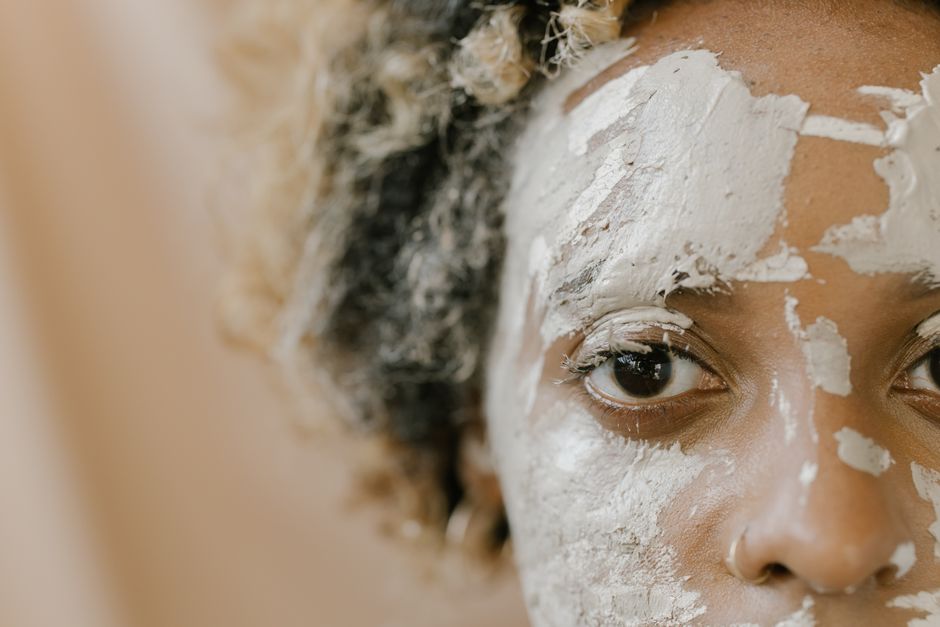
Dry skin happens when the outer layer of your skin loses water faster than your body can replace it. That outer layer, called the stratum corneum, is built to hold moisture in and keep irritants out. When its barrier weakens, water escapes and the skin feels tight, rough, or flaky. The medical term for this is xerosis, and it is one of the most common skin complaints doctors see.
What Is The Reason For Dry Skin?
The core reason is a damaged skin barrier. Your skin’s outer layer works like a brick wall. Skin cells are the bricks, and fats called lipids — ceramides, cholesterol, and fatty acids — are the mortar holding them together. This structure traps water inside and blocks outside irritants.
When the mortar breaks down, water evaporates through the skin. That process is called transepidermal water loss. Once enough water escapes, the skin can no longer stay smooth and flexible. It cracks, flakes, and itches.
Several things can damage that barrier:
- Dry air, especially in winter or in heated rooms
- Hot water and long showers, which strip oils from the surface
- Harsh soaps and detergents that remove the skin’s natural fats
- Aging, which reduces the skin’s ability to produce those fats
- Certain medical conditions and medications
- Genetics that affect how much natural oil your skin makes
One point people often miss: dry skin is not the same as dehydrated skin. Dry skin lacks oil. Dehydrated skin lacks water. You can have oily skin that is also dehydrated. This matters because the products that help each problem are different.
How Does the Skin Barrier Actually Work?
The stratum corneum is the outermost part of the epidermis, and it is the part that keeps water in. It is made of flattened, tightly packed cells surrounded by a lipid matrix. This matrix is not a solid sheet — it is arranged in layers that water has to cross to escape.
Healthy skin also produces natural oils called sebum, plus a mix of substances sometimes called natural moisturizing factor. These help the surface hold onto water. When any part of this system is disrupted, the barrier becomes leaky.
Two things happen at once when the barrier fails. Water leaves the skin, and outside substances get in more easily. That second part explains why dry skin often becomes itchy or red. Irritants and allergens now reach deeper layers they normally could not.
This is why scratching makes dry skin worse. Scratching damages the already weakened barrier and triggers inflammation, which causes more itching. It becomes a loop that is hard to break without restoring the barrier itself.
What Causes Dry Skin Besides Weather?
Weather and bathing habits are the most common causes, but they are not the only ones. A number of medical conditions produce dry skin as a symptom, and these are worth knowing about because treating them is different from treating ordinary dryness.
Eczema (atopic dermatitis) is a condition where the skin barrier is genetically weaker. People with eczema often have lower levels of ceramides and a tendency toward inflammation. Their skin loses water more easily even when it looks normal.
Psoriasis speeds up the life cycle of skin cells, causing thick, scaly patches. It is an immune-related condition, not simply dryness, but the scaling can look similar to very dry skin.
Hypothyroidism can reduce oil production and make skin dry and rough. Diabetes can cause dry skin through changes in circulation and fluid balance. Nutritional deficiencies, including low levels of certain vitamins and essential fatty acids, can also play a role.
Medications are another common cause. Some diuretics, certain acne treatments, and some cholesterol-lowering drugs are associated with dry skin. If dryness started or worsened after a new prescription, that timing is worth mentioning to a doctor.
Age is a major factor on its own. Oil production and barrier repair both slow with age. This is why dry skin becomes more common in people over 40 and why it is so frequent in older adults.





Why Does Dry Skin Itch and Crack?
Itching in dry skin is not just a surface problem. When the barrier breaks down, nerve endings in the skin become more exposed to irritants and to changes in moisture. These nerve endings send itch signals to the brain.
At the same time, the skin releases inflammatory chemicals in response to the damage. These chemicals make the nerve endings even more sensitive. That is why dry skin can itch intensely even when there is no rash.
Cracking happens when skin loses so much water that it can no longer stretch. The surface becomes stiff and brittle. Small cracks, called fissures, can form, especially on the hands, heels, and lips. Once a fissure opens, it can bleed and become a doorway for infection.
This is the point where dry skin stops being a minor annoyance. Cracked skin that becomes red, warm, swollen, or painful may be infected and needs medical attention rather than more moisturizer.
What Makes Dry Skin Worse?
Everyday habits do more damage than most people realize. The biggest offenders are the ones that feel clean and refreshing but strip the skin’s protective fats.
- Long, hot showers or baths
- Strong soaps, body washes, and antibacterial cleansers
- Frequent hand washing without moisturizing afterward
- Swimming in chlorinated pools
- Central heating and air conditioning, which dry the air
- Wool and rough fabrics that rub against the skin
- Alcohol-based hand sanitizers used repeatedly
There is a common belief that drinking more water fixes dry skin. The evidence for this is weak. Your skin’s moisture comes mainly from the inside out through the barrier, not directly from how much water you drink. Staying hydrated is good for overall health, but it is not a reliable treatment for dry skin on its own.
Another myth is that oily skin cannot be dry. As mentioned earlier, oil and water are separate systems. Skin can produce plenty of oil and still lose too much water.
How Is Dry Skin Treated?
Treatment focuses on restoring the barrier and stopping water loss. Moisturizers are the foundation, and they work in different ways.
Humectants like glycerin and hyaluronic acid pull water into the skin. Emollients like oils and fatty acids soften the skin and fill gaps in the barrier. Occlusives like petrolatum and dimethicone form a seal that stops water from escaping.
Many effective products combine all three. Applying moisturizer to slightly damp skin, right after washing, helps trap that water before it evaporates. This is one of the few practical steps with strong support behind it.
For most people, a fragrance-free moisturizer used regularly is enough. When dryness is severe or linked to a medical condition, a doctor may recommend prescription treatments. These can include topical corticosteroids for inflammation or other medications for specific conditions like eczema or psoriasis.
No single product works for everyone, and results take time. Barrier repair is not instant. It generally takes days to weeks of consistent care before skin feels noticeably better.
When Should You See a Doctor?
Ordinary dry skin usually responds to home care within a few weeks. There are situations where a doctor should take a look.
- Dryness that does not improve with consistent moisturizing
- Severe itching that interferes with sleep
- Cracks that bleed or show signs of infection
- Dry skin along with other symptoms like fatigue, weight change, or thirst
- Widespread or suddenly appearing dryness
These signs can point to an underlying condition such as eczema, psoriasis, or a thyroid or metabolic problem. Identifying the cause changes the treatment. Dryness that is a symptom of another condition will not fully resolve until that condition is addressed.
For most people, dry skin is manageable with simple changes. Understanding why it happens — a weakened barrier losing water — makes it easier to pick the right approach and avoid the products and habits that make it worse.
Frequently Asked Questions
What is the main reason for dry skin?
The main reason is a weakened skin barrier that lets water escape faster than the body can replace it. This happens when the fats that hold the outer skin layer together break down from weather, harsh soaps, aging, or medical conditions.
Does drinking more water fix dry skin?
No, the evidence that drinking extra water treats dry skin is weak. Skin moisture depends mainly on the barrier holding water in, not on how much water you drink.
Is dry skin a sign of a health problem?
Sometimes. Dry skin can be a symptom of conditions like hypothyroidism, diabetes, eczema, or psoriasis. If dryness is severe, widespread, or comes with other symptoms, a doctor can help find the cause.
How long does it take for dry skin to get better?
With consistent moisturizing and gentler skin care, most people notice improvement within days to a few weeks. Barrier repair takes time, so results are not immediate.
