
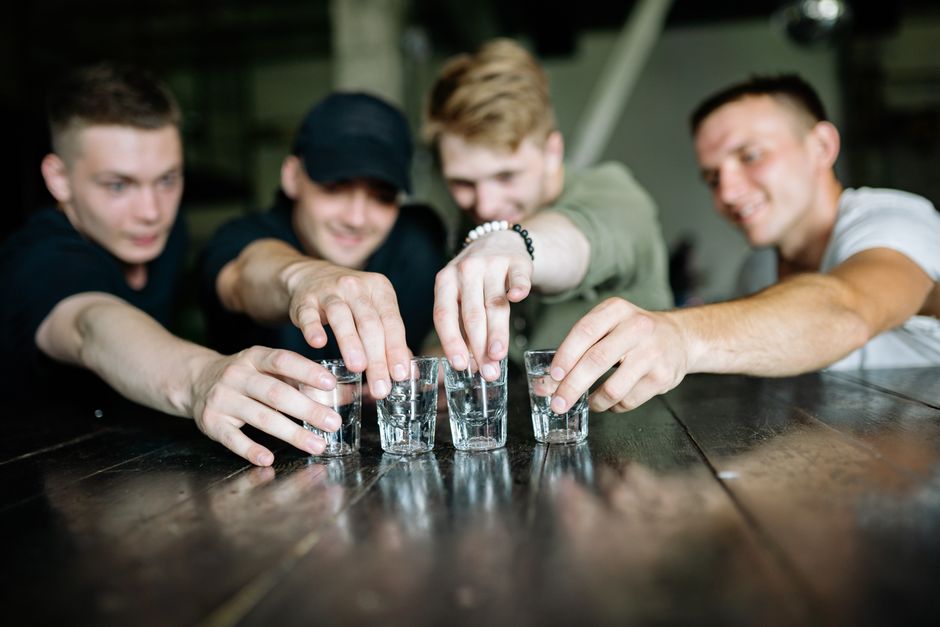
Alcohol is one of the most widely used psychoactive substances in the world, and most people who drink it do so for one simple reason: it changes how they feel. Ethanol, the alcohol in beer, wine, and spirits, reaches the brain within minutes and alters the activity of several key chemical messaging systems. Those changes can produce relaxation, lowered inhibitions, and, for some people, a brief lift in mood. That short-term reward is the core of why drinking is so common. The fuller explanation involves brain chemistry, genetics, social context, and the way the body adapts to repeated use.
What Happens in the Brain When You Drink Alcohol?
Alcohol acts on the brain in two broad ways at once. It boosts the effects of GABA, the brain’s main inhibitory neurotransmitter, and it dampens the effects of glutamate, its main excitatory one. The result is a nervous system that is quieter than usual.
GABA slows nerve signaling. When alcohol increases GABA activity, heart rate and breathing can ease, muscles relax, and anxiety tends to drop. At the same time, alcohol blocks some glutamate receptors, which normally keep the brain alert and firing. With less glutamate activity, thinking, reaction time, and coordination slow down.
The brain also releases dopamine, a chemical tied to reward and motivation. Drinking causes dopamine to rise in a region called the nucleus accumbens, part of the brain’s reward circuit. That dopamine signal is not really about pleasure in a simple sense. It marks the experience as worth repeating. This is the mechanism that links a pleasant drink to the urge for another one.
These effects depend heavily on how much is consumed and how fast. A single standard drink produces mild changes. Larger amounts, or drinking on an empty stomach, push the same systems much harder.
The Physiology of Alcohol: How the Body Processes a Drink
Once alcohol is swallowed, it does not need to be digested. About 20 percent is absorbed directly through the stomach lining, and the rest passes into the small intestine. From there it enters the bloodstream and travels to the brain and other organs.
The liver does almost all of the work of breaking alcohol down. An enzyme called alcohol dehydrogenase converts ethanol into acetaldehyde, a compound that is toxic and largely responsible for flushing, nausea, and headaches. A second enzyme, aldehyde dehydrogenase, then converts acetaldehyde into acetate, which the body uses for energy and eventually converts to carbon dioxide and water.
This process runs at a fairly fixed rate. The liver clears roughly one standard drink per hour in most adults, though the exact rate varies with body size, liver health, food in the stomach, and individual enzyme activity. When alcohol enters faster than the liver can clear it, blood alcohol concentration rises.
Food matters here. Eating before or while drinking slows the emptying of the stomach into the small intestine, which slows absorption. That is why drinking on an empty stomach produces a stronger and faster effect from the same amount of alcohol.
One detail often missed: the body does not store alcohol or use it as a reserve fuel. It has to be processed continuously, which is one reason the liver takes the brunt of heavy drinking.
Why Does Alcohol Feel Good at First and Bad Later?
The early effects of alcohol come from the calming and reward systems described above. Blood alcohol concentration climbs, GABA and dopamine activity rise, and glutamate falls. People often feel more talkative, less anxious, and more socially at ease.
The body does not tolerate this disruption for long. As blood alcohol concentration keeps rising, the same mechanisms that produce relaxation begin to impair judgment, speech, balance, and memory. At higher levels, the brain’s ability to regulate breathing and heart rate can be affected, which is why very heavy drinking can be dangerous or fatal.
The “bad later” often shows up as a hangover. The exact causes are still debated, but the leading contributors include acetaldehyde buildup, dehydration, disrupted sleep, and inflammation. Alcohol also suppresses vasopressin, a hormone that helps the kidneys retain water, which is why drinking leads to more urination and can leave a person dehydrated.
Alcohol disrupts sleep architecture as well. It can help someone fall asleep faster, but it reduces REM sleep and fragments sleep later in the night. Many people wake up after drinking feeling unrested even after a full night in bed.





The Role of Genetics in Drinking Behavior
How a person responds to alcohol is partly written into their DNA. Variations in the genes for alcohol dehydrogenase and aldehyde dehydrogenase change how quickly the body handles ethanol and acetaldehyde.
A well-known example involves a variant of aldehyde dehydrogenase common in people of East Asian descent. This version breaks down acetaldehyde slowly, so it builds up and causes facial flushing, rapid heartbeat, and nausea after even small amounts of alcohol. People with this variant often drink less, and research has linked the variant to lower rates of alcohol dependence in some populations.
Genes also shape how strongly the brain’s reward system responds to alcohol. Differences in dopamine signaling and in GABA receptor genes can make one person feel more reward from a drink than another. This does not mean drinking is predetermined. It means the starting point differs from person to person.
Family history is one of the strongest known predictors of alcohol use disorder. Having a parent with alcohol problems raises a person’s risk, but genes are only part of the picture. Environment, upbringing, and mental health all interact with biology.
Social and Psychological Reasons People Drink
Alcohol is woven into many social settings, and that context shapes behavior as much as chemistry does. People drink to celebrate, to mark transitions, to fit in, or to ease the friction of social interaction.
Alcohol’s ability to lower inhibitions can make social situations feel easier, at least in the moment. Some research suggests people expect alcohol to make them more social, and that expectation alone can change how they act, even before the alcohol has much effect.
Stress and emotional pain are another common driver. Alcohol’s calming effect on GABA and its effect on reward circuits can provide temporary relief from anxiety, sadness, or loneliness. The problem is that this relief is short-lived. Over time, drinking to manage emotions can make those emotions worse and can lead to dependence.
Cultural norms matter too. In settings where drinking is expected and frequent, people tend to drink more. In settings where it is rare or discouraged, they tend to drink less. This is one reason drinking patterns vary so widely between countries and communities.
How Does the Brain Adapt to Regular Drinking?
With repeated drinking, the brain adjusts to the presence of alcohol. It reduces its own GABA activity and increases glutamate activity to compensate for the constant disruption. This is called tolerance, and it is why regular drinkers often need more alcohol to feel the same effect.
Tolerance is a sign that the brain has changed. When alcohol is suddenly removed, the brain is left with too little inhibition and too much excitation. This rebound produces withdrawal symptoms such as anxiety, tremors, sweating, and, in severe cases, seizures. Withdrawal from heavy long-term drinking can be medically dangerous and should be managed with clinical support.
Over time, the reward system also adapts. Everyday pleasures become less rewarding without alcohol, and drinking becomes less about feeling good and more about avoiding feeling bad. This shift is a hallmark of alcohol use disorder, a condition defined in standard diagnostic manuals by patterns of use that cause significant impairment or distress.
It is worth being clear about what the science does and does not say. The mechanisms above are well established. What is less certain is why some people who drink heavily develop dependence while others do not. Genetics, mental health, social environment, and timing of first use all appear to play a role, but no single factor explains it.
What Counts as Moderate Drinking?
Official guidance in the United States defines moderate drinking as up to one drink per day for women and up to two drinks per day for men. A standard drink contains about 14 grams of pure alcohol, which equals a 12-ounce beer at 5 percent alcohol, a 5-ounce glass of wine at 12 percent, or a 1.5-ounce shot of distilled spirits at 40 percent.
These are upper limits, not targets. The evidence does not support the idea that people who do not drink should start for health reasons. Any potential benefit is small and must be weighed against risks, including increased risk of several cancers, liver disease, and dependence.
Some groups should not drink at all. This includes people under 21, pregnant women, people taking medications that interact with alcohol, people recovering from alcohol use disorder, and anyone with certain medical conditions. If you are unsure whether drinking is safe for you, that is a conversation for a clinician, not a general article.
Frequently Asked Questions
Why do people drink alcohol even when they know it is bad for them?
Alcohol triggers dopamine release in the brain’s reward system, which marks the experience as worth repeating. Over time, the brain adapts and drinking can shift from seeking pleasure to avoiding withdrawal or emotional discomfort, which makes stopping harder even when someone knows the risks.
Is alcohol a stimulant or a depressant?
Alcohol is classified as a central nervous system depressant because it boosts GABA and reduces glutamate activity. The initial feeling of energy or talkativeness comes from lowered inhibitions, not from true stimulation.
Why does alcohol affect some people more than others?
Body size, liver enzyme activity, genetics, food in the stomach, and how fast someone drinks all change how alcohol is absorbed and cleared. Genetic variants in alcohol-metabolizing enzymes can make effects much stronger in some people.
Can drinking alcohol ever be healthy?
Some studies have suggested small cardiovascular benefits from light drinking, but the evidence is mixed and contested. Major health organizations do not recommend that people who do not drink start drinking for health reasons.
