
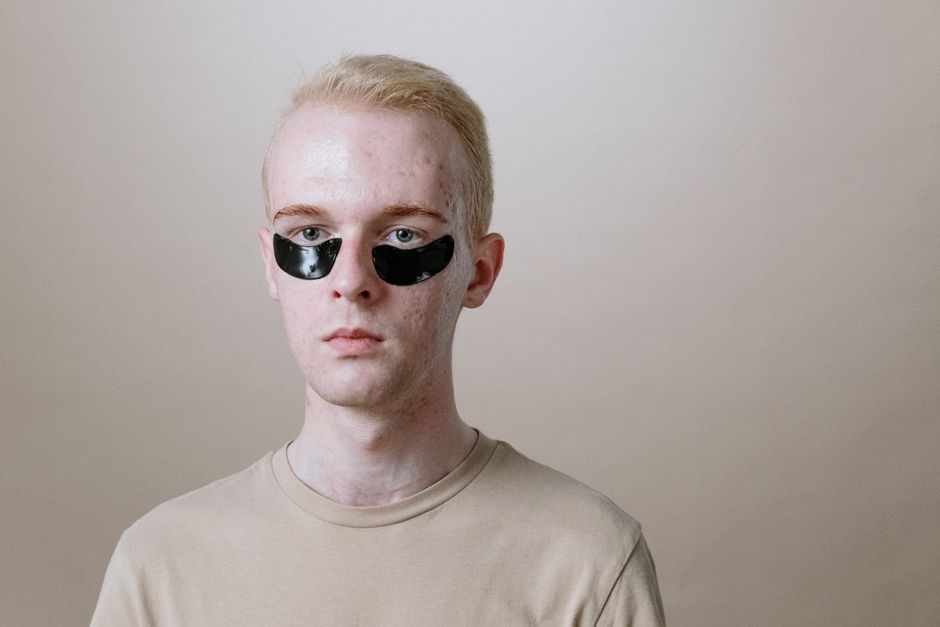
Acne scars can change in appearance from day to day, and that is completely normal. The actual scar tissue is permanent, but what you see in the mirror is influenced by temporary factors like skin hydration, blood flow, inflammation, and lighting. When your skin is dehydrated or inflamed, the scar edges look more defined and the pits look deeper, making the whole area appear more noticeable.
What Causes Acne Scars to Look More Visible on Certain Days?
Your skin is a living organ that changes constantly. The scar itself stays the same, but the tissue around it shifts. When the skin around a scar swells slightly, it can make a depressed scar look deeper by contrast. When the skin is well-hydrated, it plumps up and makes the scar look shallower and softer.
Blood flow also plays a role. Increased blood flow to the face, from heat, exercise, or flushing, can make red or dark marks look more intense. Reduced blood flow, like in cold weather, can make the skin look duller and make scar texture stand out more.
Why Does Skin Hydration Affect How Deep My Scars Look?
Hydration is the single biggest daily factor in scar appearance. The outermost layer of your skin, the stratum corneum, acts like a sponge. When it is full of water, it swells slightly and smooths out the surface. This reduces the visual contrast between the scar and the surrounding skin.
When your skin is dry, the opposite happens. The skin shrinks and tightens, which pulls the edges of a depressed scar downward and makes the shadow inside the scar darker. The result is that a scar you barely noticed yesterday looks like a deep crater today.
Using a basic moisturizer with ingredients like glycerin or hyaluronic acid can temporarily improve the appearance of scars within minutes. This is a cosmetic effect, not a permanent change to the scar tissue, but it explains why your skin looks better after a good skincare routine and worse after a day in dry air.
Can Sun Exposure Make Acne Scars Look Worse?
Sun exposure makes acne scars look worse for two clear reasons. First, UV light triggers melanin production in the skin. This darkens post-inflammatory hyperpigmentation, the flat brown or red marks left after acne heals. A scar that was fading can become darker and more obvious after just a few days of unprotected sun exposure.
Second, UV radiation damages collagen over time. Collagen is the structural protein that keeps skin firm and smooth. When UV light breaks down collagen, the skin loses elasticity and the texture around a scar becomes more irregular. This makes the scar look more pronounced, not less.
Daily sunscreen use is one of the most effective ways to prevent scars from looking worse over time. It does not erase existing scars, but it stops the darkening and collagen damage that makes them more visible.





How Does Inflammation Change the Look of Old Scars?
Inflammation can make old scars look worse even months after the original breakout healed. When your skin is inflamed, whether from a new pimple, an allergic reaction, or a harsh skincare product, blood vessels dilate in the area. This increased blood flow makes any redness in or around the scar more intense.
Inflammation also causes fluid to build up in the tissue. This swelling, called edema, can distort the surrounding skin and make a depressed scar look deeper or more irregular. The scar itself is not changing, but the landscape around it is.
Reducing inflammation through gentle skincare and avoiding picking or squeezing pimples can help. If you notice a scar looking red and swollen, it may be reacting to something in your environment or routine rather than an infection or a new scar forming.
Why Do My Scars Look Worse in Certain Lighting or After Exercise?
Lighting is a major factor in how visible scars appear. Direct overhead lighting creates harsh shadows that exaggerate the depth of depressed scars. Soft, diffused light from in front of you minimizes shadows and makes scars look less noticeable. If you check your skin in a brightly lit bathroom with overhead lights, you are seeing your scars in the worst possible conditions. This is why your skin can look dramatically different in your car mirror versus your bathroom mirror.
Exercise also changes scar appearance temporarily. During physical activity, blood flow to the skin increases significantly. This makes red or purple marks more vivid and can cause the face to flush. The increased blood flow also causes slight swelling in the skin, which can make some scars look deeper while making others look less defined.
These changes are temporary. Your scars will return to their baseline appearance within an hour or two after exercise as your heart rate and blood flow normalize.
What Actually Helps Reduce the Appearance of Acne Scars?
If you want lasting improvement in scar appearance, you need treatments that change the skin structure itself. Topical retinoids, like tretinoin or adapalene, increase collagen production and cell turnover over several months. These are prescription or over-the-counter products that can gradually smooth the skin surface.
Chemical peels and laser treatments work by removing the top layer of skin or stimulating new collagen growth deeper in the dermis. These procedures require multiple sessions and are performed by dermatologists or licensed practitioners. Results are gradual and depend on the depth and type of your scars.
Microneedling is another option that creates tiny controlled injuries in the skin to stimulate collagen production. Some clinical evidence supports its use for atrophic acne scars, but results vary significantly between individuals. Multiple sessions are typically needed, and improvement is modest for deep scars.
For daily care, the evidence is clear on a few basics:
- Use sunscreen every day to prevent darkening and collagen breakdown
- Keep skin moisturized to maintain hydration and plumpness
- Avoid picking or squeezing pimples to prevent new scars
- Use products with retinoids or vitamin C if your skin tolerates them
No topical product can completely erase a deep acne scar. If you see dramatic claims about scar-removing creams, be skeptical. The most effective approaches either resurface the skin or build collagen over time, and they require patience and consistency.
When Should You See a Dermatologist About Acne Scars?
You should consider seeing a dermatologist if your scars cause you significant distress or if at-home treatments have not produced visible improvement after several months. A dermatologist can assess your scar type, which matters because treatments that work for rolling scars may not work for ice pick scars.
Ice pick scars are narrow and deep, while rolling scars have broad, shallow depressions. Boxcar scars have sharp edges and a wider base. Each type responds differently to treatment. A dermatologist can recommend procedures matched to your specific scar pattern.
It is also worth seeing a dermatologist if you still have active acne. Treating active breakouts prevents new scars from forming, which is always easier than treating existing scars. Your dermatologist can prescribe stronger topical or oral medications that are more effective than anything available over the counter.
Frequently Asked Questions
Can dehydration make acne scars look worse?
Yes. Dehydrated skin shrinks and tightens, which makes depressed scars look deeper and more defined. Applying moisturizer can temporarily improve their appearance.
Do acne scars ever truly go away?
No. True acne scars are permanent changes to the collagen structure in the skin. Treatments can reduce their appearance significantly, but they do not completely erase the scar tissue.
Why are my scars more visible in the morning?
Fluid redistribution during sleep can cause mild facial swelling, which may make some scars look deeper. Also, sleep creases and dry skin from overnight can temporarily increase scar visibility.
Can makeup make acne scars look worse?
Heavy or matte makeup can settle into depressed scars and make them more noticeable. Lightweight, hydrating formulas and primers designed to fill texture can reduce their appearance.
