
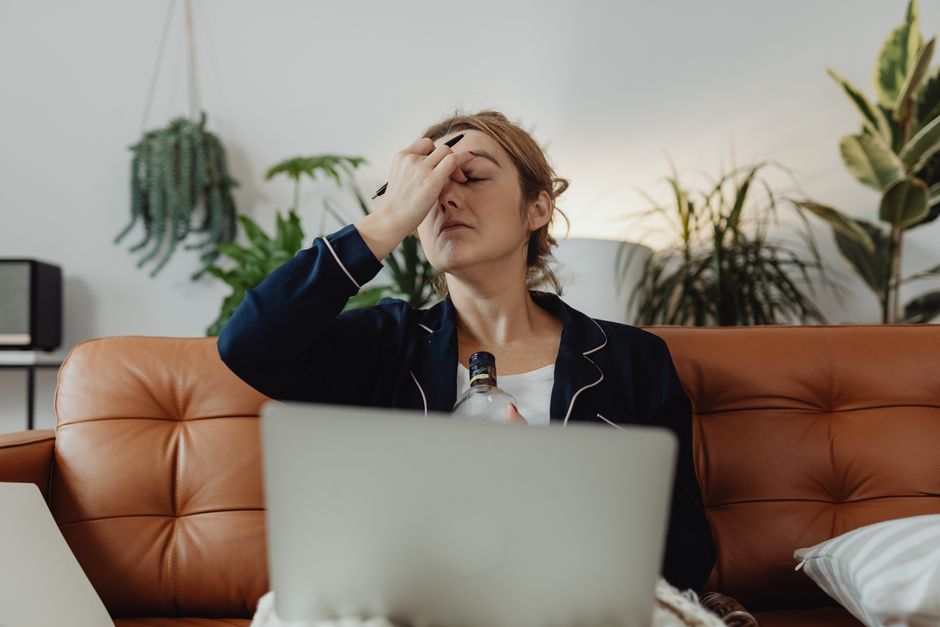
You pour a glass of wine to unwind, and it works. You feel relaxed, maybe even sleepy. But the sleep you get after drinking is not the same as sober sleep. Alcohol changes the structure of your sleep in ways that leave you tired the next day, even if you slept for eight hours. Preventing alcohol from disrupting your sleep starts with understanding what it does to your brain and body, then making simple changes to how and when you drink.
What Does Alcohol Actually Do To Your Sleep?
Alcohol is a central nervous system depressant. It slows down brain activity. That is why it makes you feel calm and drowsy. In the short term, a drink can help you fall asleep faster. That benefit disappears quickly.
Once your body starts metabolizing the alcohol, your sleep architecture changes. Sleep architecture is the pattern of sleep stages you cycle through each night. You move between light sleep, deep sleep, and REM sleep. REM stands for rapid eye movement. It is the stage where most dreaming happens and where your brain consolidates memories and processes emotions.
Alcohol suppresses REM sleep early in the night. Your brain tries to catch up later, which causes fragmented sleep and vivid dreams. You also spend less time in deep restorative sleep. Studies consistently show that alcohol reduces the quality of both REM and slow-wave deep sleep, even at moderate doses.
Why Do You Wake Up At 3 AM After Drinking?
This is one of the most common complaints. You fall asleep easily after a few drinks, then wake up wide awake in the middle of the night. There is a clear physiological reason for this pattern.
As your blood alcohol concentration falls, your brain rebounds. The sedative effect wears off faster than you expect. Your nervous system becomes more alert than normal to compensate. This rebound effect can wake you up and make it hard to get back to sleep.
Alcohol also relaxes the muscles in your throat. This increases the likelihood of snoring and can worsen sleep apnea, a condition where breathing repeatedly stops during sleep. Even people who do not have diagnosed sleep apnea may experience more breathing disruptions after drinking. Each interruption briefly wakes your brain, even if you do not remember it.
There is also a diuretic effect. Alcohol suppresses antidiuretic hormone, which makes your kidneys produce more urine. A full bladder can pull you out of deep sleep. If you drink close to bedtime, you may also need to get up to use the bathroom in the middle of the night.
How Close To Bedtime Should You Stop Drinking?
Timing matters more than most people realize. Your liver processes alcohol at a fairly constant rate. On average, it takes about one hour to metabolize one standard drink. A standard drink is 12 ounces of beer, 5 ounces of wine, or 1.5 ounces of distilled spirits.
If you have two glasses of wine with dinner at 7 PM, the alcohol is mostly gone from your system by 9 PM. That gives your body several hours to clear it before bedtime. If you have those same two glasses starting at 9 PM, you are still metabolizing alcohol when your head hits the pillow at 11 PM.
A commonly cited clinical recommendation is to stop drinking at least three to four hours before bed. This gives your body time to process most of the alcohol. Some research suggests that even moderate drinking within three hours of bedtime significantly disrupts sleep quality. The longer the gap between your last drink and lights out, the less disruption you will experience.
Keep in mind that this is about the amount of time needed, not a guarantee. Even if you stop drinking four hours before bed, a heavy drinking session earlier in the evening can still affect your sleep that night. The total amount you drink matters as much as the timing.





How Much Alcohol Is Too Much For Good Sleep?
There is no single answer that applies to everyone. Body weight, sex, genetics, and tolerance all affect how quickly you process alcohol. But the evidence points in one direction: less is better for sleep.
Low doses of alcohol, such as a single drink, may have minimal effects on sleep quality for some people. Higher doses consistently cause problems. Binge drinking, defined as four or more drinks for women and five or more for men within about two hours, severely disrupts sleep architecture.
Some research indicates that even moderate drinking, defined as up to one drink per day for women and up to two for men, can reduce sleep quality. A 2018 study published in JMIR Mental Health tracked sleep patterns using wearable devices. The researchers found that even one drink reduced sleep quality by about 9 percent. Two drinks reduced it by nearly 24 percent.
If sleep is your priority, the safest approach is to drink less overall. If you do drink, keep it to one or two drinks and stop several hours before bed. Do not use alcohol as a sleep aid. It may help you fall asleep faster tonight, but it will cost you restorative sleep later in the night.
Can You Offset The Effects With Hydration Or Food?
Drinking water alongside alcohol helps with dehydration, but it does not neutralize alcohol’s effect on your sleep architecture. Your liver still processes the alcohol at the same rate. Water does not speed that up.
Eating food before or while drinking slows the absorption of alcohol. A meal high in protein and fat delays gastric emptying, which means alcohol enters your bloodstream more gradually. This can reduce the peak blood alcohol concentration. It does not eliminate the effects, but it can make them less intense.
There is no evidence that any specific food or supplement prevents alcohol-related sleep disruption. Some people try vitamin B6 or other supplements before bed after drinking. No clinical evidence confirms this works. The only reliable way to prevent alcohol from disrupting your sleep is to drink less or drink earlier.
What About Nightcaps And Other Alcohol Myths?
The idea that a nightcap helps you sleep is one of the most persistent health myths. It is true that alcohol can make you drowsy. But the sleep you get is not refreshing sleep.
A nightcap suppresses REM sleep in the first half of the night. When the alcohol metabolizes, your brain tries to recover lost REM sleep. This can cause intense dreams, night sweats, and restless sleep in the second half of the night. Many people wake up feeling more tired than if they had not drunk at all.
Some people drink alcohol to manage anxiety that keeps them awake. This is counterproductive. Alcohol provides short-term relief, but withdrawal from alcohol can increase anxiety as the night goes on. This can cause early morning waking with a racing heart and anxious thoughts.
Another myth is that expensive or high-quality alcohol is less disruptive. The type of alcohol does not matter. Ethanol is ethanol. Wine, beer, and spirits all contain the same active compound that disrupts sleep. Mixers high in sugar may add their own effects, but the alcohol is the main problem.
How To Prevent Alcohol From Disrupting Your Sleep
The most effective strategies are straightforward. They require planning, but they do not require complicated routines.
Set a drinking cutoff time. Decide how many hours before bed you will have your last drink. Three to four hours is a reasonable minimum. If you know you need to be asleep by 11 PM, finish your last drink by 7 or 8 PM.
Alternate alcoholic drinks with water. For every alcoholic beverage, have a glass of water. This slows your drinking pace and helps with hydration. It also gives your liver more time to process each drink.
Keep your total drinks low. One drink affects sleep less than two. Two affects sleep less than three. If you know you have an important day tomorrow and need quality sleep, consider skipping alcohol entirely.
Eat before you drink. A solid meal before alcohol consumption slows absorption. Do not drink on an empty stomach. This is especially important if you are drinking later in the evening.
If you wake up in the middle of the night after drinking, do not reach for another drink. This creates a cycle of alcohol dependence for sleep. Instead, get up, drink a glass of water, and practice a calming activity until you feel drowsy again.
Pay attention to how you feel the next day. If you regularly wake up tired, foggy, or with a headache after drinking, your sleep is being disrupted even if you do not remember waking up. This is your body telling you that the trade-off is not worth it.
What If You Have Already Been Drinking Tonight?
If you are reading this after having a few drinks, you cannot undo what is already in your system. But you can take steps to minimize the damage.
Stop drinking now. The sooner you stop, the more time your body has to process alcohol before you sleep. Switch to water for the rest of the night.
Use the bathroom right before bed. This reduces the chance that a full bladder wakes you up in the middle of the night. Keep a glass of water on your nightstand in case you wake up thirsty.
Do not take sleep medications or antihistamines on top of alcohol. Combining alcohol with sedating substances can dangerously suppress your breathing. This is a genuine safety concern, not just a quality-of-sleep issue.
Accept that tonight’s sleep may not be great. One disrupted night is not a health crisis. The problem is when it becomes a pattern. Focus on making tomorrow night alcohol-free or alcohol-free before dinner.
When To Take A Break From Alcohol
If you notice a consistent pattern of poor sleep after drinking, consider a break. A month without alcohol can show you how much of your fatigue was related to drinking. Many people report deeper sleep, more energy, and better focus within a few weeks of stopping.
There is no medical necessity to drink alcohol. It provides no nutrients that you cannot get from food. It is a recreational substance with real effects on your body. If those effects are interfering with your sleep and daily function, reducing or eliminating alcohol is a reasonable choice.
If you have tried to cut back and find you cannot, or if you experience withdrawal symptoms when you stop drinking, talk to a healthcare provider. Alcohol withdrawal can be dangerous for heavy drinkers. Medical supervision is important in that situation.
Frequently Asked Questions
Why does alcohol wake me up in the middle of the night?
As your blood alcohol level drops, your nervous system rebounds and becomes more alert than normal. This can wake you up several hours after you fall asleep.
How many hours before bed should I stop drinking?
Stop drinking at least three to four hours before bedtime to give your body time to metabolize most of the alcohol. The longer the gap, the less sleep disruption you will experience.
Does drinking water after alcohol help your sleep?
Water helps with dehydration but does not prevent alcohol from disrupting your sleep architecture. Your liver still processes alcohol at the same rate regardless of how much water you drink.
Is one glass of wine with dinner bad for sleep?
A single drink several hours before bed may have minimal effects for some people, but research shows even one drink can reduce sleep quality. The effect is smaller than with multiple drinks, but it is not zero.
