
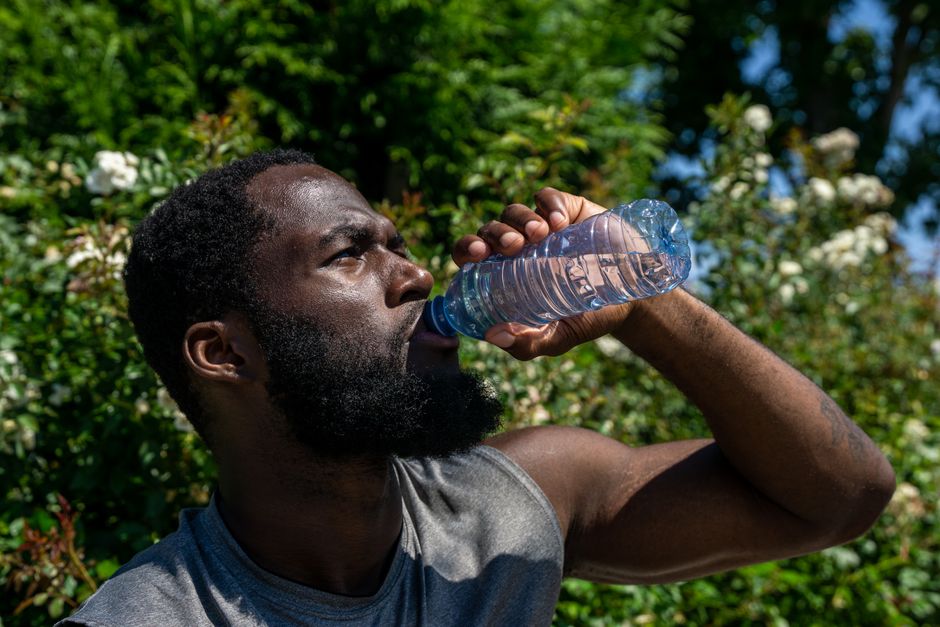
Sweating right after drinking water is a real and fairly common experience, but it is not a normal response for most people. In most cases, it points to a specific physical trigger, such as the temperature of the water, how fast you drank it, or an underlying sensitivity in your nervous system. If you drink ice-cold water quickly, your body may react by generating heat to warm the core back up, which can cause a sudden sweat. For others, the response is linked to a condition called gustatory sweating, where the act of swallowing or the presence of liquid in the stomach stimulates the nerves that control sweat glands. Understanding which of these mechanisms is at play is the first step in knowing whether you need to change a habit or see a doctor.
Why Do I Sweat After Drinking Water?
The short answer is that your body is trying to regulate its internal temperature or is reacting to nerve stimulation in your digestive tract. When you drink very cold water, your stomach cools down faster than your core temperature can adjust. Your body perceives this as a sudden drop in temperature and responds by constricting blood vessels and shivering, but it can also trigger a sweat response as it works to stabilize the system. This is a thermoregulatory reflex, not a sign of illness.
Another common cause is the speed of drinking. Gulping a large volume of water in seconds stretches the stomach rapidly. This activates the vagus nerve, which runs from your brain to your abdomen. In some people, this nerve stimulation causes a sudden drop in blood pressure, which can lead to a feeling of warmth and a sweat. This is often called a vasovagal response, and it is the same mechanism behind sweating and fainting after a sudden pain or shock.
If you sweat only after drinking hot water or warm liquids, the cause is different. Hot liquids raise your core temperature directly, and sweating is your body’s natural cooling mechanism. This is not a concern. The problem is more specific when cold water triggers sweating, which points to the thermoregulatory or nerve-related responses described above.
What Is Gustatory Sweating?
Gustatory sweating is sweating that occurs during or immediately after eating, chewing, or drinking. The term “gustatory” refers to the sense of taste, but the trigger is often the act of swallowing or the presence of food in the stomach, not the flavor itself.
This condition happens when the nerves that control the salivary glands and the sweat glands become crossed or overactive. Normally, your brain sends a signal to produce saliva when you eat or drink. In gustatory sweating, that same signal mistakenly activates the sweat glands on your face, scalp, neck, or chest. This can happen on one side of the face or both sides, and it can range from mild dampness to heavy sweating that soaks through clothing.
Gustatory sweating is most commonly associated with damage to a nerve in the face or neck, which can occur after surgery, an injury, or an infection. Diabetes is another known cause, particularly when it has caused nerve damage. However, some people experience a mild version of this with no clear underlying cause. If you have no history of surgery or diabetes and you sweat after drinking plain water, it is more likely related to the temperature or volume of the water than to true gustatory sweating.
Could It Be a Sign of a Medical Condition?
In most healthy people, sweating after drinking water is a harmless reflex. But there are cases where it warrants a medical evaluation. If the sweating is accompanied by dizziness, lightheadedness, nausea, or a racing heart, it could indicate a more significant issue with your autonomic nervous system — the system that controls involuntary functions like heart rate and sweating.
One condition to be aware of is autonomic neuropathy, which is nerve damage that affects the autonomic nervous system. This is a common complication of diabetes, but it can also result from autoimmune diseases, infections, or alcohol use. In this condition, the nerves that control sweating may respond abnormally to normal stimuli like drinking water. If you have diabetes and you notice sweating after drinking, it is worth mentioning to your doctor, as it may indicate that your blood sugar control needs attention.
Another possibility is a condition called hyperhidrosis, which is excessive sweating not always tied to heat or exercise. While hyperhidrosis usually affects the hands, feet, or armpits, some people experience it in response to specific triggers like drinking. This is not dangerous, but it can be embarrassing and treatable.
If your sweating after drinking water is new, severe, or paired with other symptoms like chest pain or shortness of breath, do not try to diagnose it yourself. See a healthcare provider. Sweating can occasionally be a sign of a heart issue, though this is rare in the context of drinking water alone.





Is It Related to Hydration or Dehydration?
Paradoxically, sweating after drinking water can sometimes be a sign that you were dehydrated before you took that sip. When you are dehydrated, your blood volume drops slightly, and your heart has to work harder to pump blood. Drinking a large amount of water quickly adds volume to your stomach, which can trigger a reflex that dilates blood vessels in the skin. This can cause a warm flush and a brief sweat as your body redistributes fluid.
This is not the same as being in danger from dehydration. It is a temporary adjustment. However, if you regularly feel sweaty after drinking water, it may be a sign that you are not drinking enough throughout the day and are overcompensating with large amounts at once. Spreading your water intake across the day, rather than drinking a full glass at once, can reduce this effect.
It is also worth noting that drinking water cannot cure heat exhaustion or heat stroke. If you are overheated and sweating heavily, drinking cold water can actually cause your body to produce more sweat as it works to process the temperature change. This is not harmful, but it can be uncomfortable. The best approach for rehydration after heavy sweating is to drink cool — not ice-cold — water slowly, and to replace electrolytes if you have been sweating profusely for a long period.
When Should You See a Doctor?
You do not need to see a doctor for occasional sweating after drinking cold or large amounts of water. This is a benign reflex. However, you should seek medical advice if the sweating is persistent, happens every time you drink, or is accompanied by other symptoms.
Specific warning signs include sweating that is one-sided, sweating that occurs without any temperature trigger, or sweating that is severe enough to interfere with daily life. Also, if you have a history of head or neck surgery, or if you have been diagnosed with diabetes, mention this symptom to your doctor. It may be a sign of nerve involvement that requires further evaluation.
A doctor can perform a simple test called a thermoregulatory sweat test, which uses a powder that changes color when it gets wet, to map out exactly where and when you sweat. This can help identify whether the issue is localized nerve damage or a broader autonomic problem. In most cases, the diagnosis is straightforward and the treatment is simple, such as adjusting how you drink or using an antiperspirant on the affected area.
How to Reduce Sweating After Drinking Water
If the sweating is bothersome but not a medical concern, a few simple changes can help. First, drink water at room temperature instead of ice-cold. This removes the thermoregulatory trigger entirely. Second, drink slowly and in smaller amounts. Instead of drinking a full glass in one go, take several smaller sips over a few minutes. This reduces the stretch on your stomach and the associated nerve response.
Third, pay attention to your overall hydration. If you are consistently dehydrated, you are more likely to experience the blood volume shifts that trigger sweating. Aim to drink small amounts of water regularly throughout the day rather than relying on large drinks after you already feel thirsty. This is a general guideline, not a strict prescription, but it aligns with standard hydration advice from health organizations.
If the sweating is related to gustatory sweating, over-the-counter antiperspirants applied to the affected area can help. For more severe cases, a doctor may prescribe a topical medication or, in rare cases, injectable treatments that block the nerve signals to the sweat glands. These treatments are well established for hyperhidrosis but should only be pursued after a proper diagnosis.
Frequently Asked Questions
Is sweating after drinking water a sign of diabetes?
It can be, especially if diabetes has caused nerve damage. If you have diabetes and notice sweating after drinking, talk to your doctor, as it may indicate a need to adjust your blood sugar management.
Why do I sweat after drinking cold water but not warm water?
Cold water triggers a thermoregulatory reflex where your body generates heat to warm your core, which can cause sweating. Warm water does not trigger this reflex because it does not lower your core temperature.
Can drinking water too fast cause sweating?
Yes, drinking a large volume of water quickly stretches the stomach and can stimulate the vagus nerve. This can cause a sudden drop in blood pressure and a sweat response in some people.
Should I be worried if I sweat after every glass of water?
If it happens every time and is not related to temperature or drinking speed, it is worth a medical evaluation. Persistent sweating with no clear trigger could indicate a nerve or autonomic nervous system issue.
