
You wake up after a few drinks with a racing heart, a knot in your stomach, and a vague sense of dread about something you may or may not have said last night. That feeling has a nickname now: hangxiety. It is not a hangover symptom invented by the internet. It is the predictable result of how alcohol interacts with your brain chemistry, your sleep, and your body’s stress response.
You cannot eliminate hangxiety entirely if you drink heavily, because no strategy cancels out alcohol’s effects on the brain. What you can do is reduce the intensity and duration by drinking less, pacing yourself, eating before and during drinking, rehydrating with water and electrolytes, protecting your sleep, and avoiding the caffeine-and-painkiller combination that often makes the next morning worse. Managing the anxiety itself — not just the physical hangover — is the part most people skip.
What Actually Causes Hangxiety?
Alcohol is a central nervous system depressant. It boosts the effect of GABA, the brain’s main calming neurotransmitter, and it suppresses glutamate, its main excitatory one. That combination produces the relaxed, uninhibited feeling people drink for.
Your brain does not accept that state passively. It adjusts. Over the course of a drinking session, it dials down GABA signaling and ramps up glutamate activity to compensate. When the alcohol clears, you are left with a brain that is temporarily tilted in the opposite direction — less calming signal, more excitatory signal. The result is a raised heart rate, a jittery feeling, and genuine anxiety.
Two other factors make it worse. Alcohol disrupts sleep architecture, particularly REM sleep, so even a full night in bed does not deliver normal recovery. And alcohol is a diuretic that also suppresses vasopressin, the hormone that tells your kidneys to hold onto water — which is why you wake up dehydrated, with a headache and a dry mouth.
There is also a psychological layer. If you did something embarrassing or simply cannot remember parts of the night, your mind fills the gaps. That rumination feeds the physical anxiety, and the physical anxiety feeds the rumination.
How To Avoid Hangxiety Before And After Drinking
The single most effective step is drinking less alcohol. Everything else on this list reduces harm at the margins. Dose is the dominant variable, and no supplement or ritual overrides it.
That said, the margins matter if you are going to drink. Here is what the evidence supports:
- Eat before and while you drink. Food in the stomach slows alcohol absorption. This is well established and one of the few genuinely reliable tactics.
- Alternate alcohol with water. This lowers your total alcohol intake for the evening and reduces dehydration. It works mostly by pacing, not by any direct protective effect.
- Set a drink limit before you start. Deciding in advance is more effective than deciding in the moment, when judgment is already impaired.
- Avoid drinking on an empty stomach and on very little sleep. Both amplify the next-day anxiety.
- Skip the nightcap. A drink close to bedtime fragments sleep further and tends to worsen morning anxiety rather than help it.
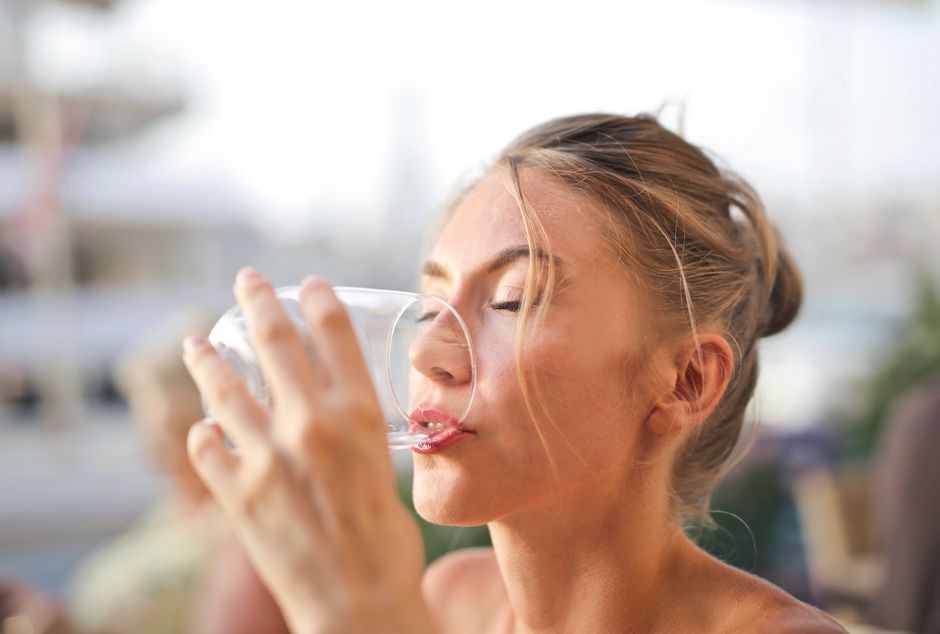
- Rehydrate before bed and again on waking. Water with a source of electrolytes is reasonable. There is no strong evidence that any specific electrolyte product outperforms another.
What does not work: drinking more to calm the anxiety the next morning. That is the mechanism behind the cycle that can slide into dependence. It provides short-term relief and deepens the problem.
Does Drinking Less Really Make That Much Difference?
Yes, and the relationship is roughly dose-dependent. The more alcohol in your system and the faster it gets there, the more pronounced the rebound effect on your nervous system.
This is why the type of drinking matters as much as the total. Six drinks spread across five hours with food will generally produce less next-day anxiety than six drinks in two hours on an empty stomach, even though the total alcohol is identical. Peak blood alcohol concentration and the speed of the rise are what drive the rebound.
People also differ in how they metabolize alcohol, based on body size, sex, genetics, liver function, and how regularly they drink. Someone who drinks daily may feel less acute next-day anxiety than someone who drinks rarely, but that reflects tolerance and dependence, not safety. Regular heavy drinking raises baseline anxiety over time, which is one of the more counterintuitive things about alcohol: it is a relaxant that tends to increase anxiety with chronic use.

Why Does Hangxiety Feel Worse Than a Normal Hangover?
Because it is two problems stacked on top of each other. The physical hangover — dehydration, headache, fatigue, nausea — already puts your body in a stressed state. A stressed body produces anxiety symptoms on its own: fast heart rate, shaky hands, a tight chest.
On top of that, the neurotransmitter rebound is still active. Your brain is genuinely in a more anxious state than it was 24 hours ago. So you are feeling physical discomfort and a real neurochemical shift at the same time.
Then the mind gets involved. If you have an anxiety-prone temperament, the physical sensations get interpreted as something being wrong, which produces more anxiety, which produces more physical sensation. This loop is well documented in anxiety research generally, and it explains why hangxiety can feel out of proportion to what actually happened the night before.
For most people, this resolves within a day as the body rehydrates and neurotransmitter balance normalizes. If it lasts longer, or if it happens after very small amounts of alcohol, that is worth discussing with a clinician.
What Should You Do the Morning After?
Treat it as a recovery day, not a push-through day. The goal is to shorten the duration, not to power through it.
- Rehydrate steadily. Water and a normal meal with some salt and potassium — think eggs, toast, banana, broth — address both fluid loss and electrolyte loss.
- Eat something. Low blood sugar mimics and worsens anxiety symptoms. Skipping breakfast because you feel nauseated usually makes the day worse.
- Go easy on caffeine. Caffeine is a stimulant that raises heart rate and can amplify the jittery feeling. If you normally drink coffee, a smaller amount is a reasonable compromise.
- Move gently. A walk is fine. There is no evidence that intense exercise speeds alcohol clearance, and it may make you feel worse while dehydrated.
- Do not take a painkiller on an empty stomach without checking it. Acetaminophen combined with alcohol puts stress on the liver. This is a genuine safety concern, not a theoretical one. Follow the label and do not exceed the stated dose.
- Name what you are feeling. Saying “this is a chemical rebound and it will pass” is not a cure, but it interrupts the rumination loop that makes it feel bigger than it is.
- Do not drink to fix it. This is the one rule that matters most.
How Do You Stop the Cycle Before It Starts?
The most reliable prevention is not drinking to the point of a rebound. That sounds obvious, but the practical version is specific: know your limit in advance, eat first, pace with water, and stop earlier than you think you need to.
If hangxiety happens regularly, that pattern is worth paying attention to. Recurrent next-day anxiety after drinking is one of the more common early signals that alcohol is affecting your baseline mood and stress regulation, not just your mornings. Some people find that reducing frequency, not just quantity, makes the biggest difference.
If you notice that you need a drink to feel normal, or that you are drinking specifically to relieve anxiety that drinking caused, that is a pattern a clinician can help with. It is common and treatable, and it is not a character flaw.
Frequently Asked Questions
Does drinking water prevent hangxiety?
Water reduces dehydration, which is one contributor to next-day symptoms, but it does not undo alcohol’s effects on brain chemistry or sleep. It helps at the margins and is worth doing, but it is not a fix on its own.
Why do I get anxious after only one or two drinks?
Some people are more sensitive to alcohol’s rebound effect on GABA and glutamate, and this sensitivity can be genetic or related to an existing anxiety tendency. If it happens consistently after small amounts, it is worth mentioning to a clinician.
How long does hangxiety usually last?
For most people it eases within about a day as hydration and neurotransmitter balance recover. If it persists beyond that, or worsens over time, that is a reason to seek medical advice.
Is it safe to take a painkiller with a hangover?
It depends on the medication. Acetaminophen combined with alcohol can stress the liver, so check the label and do not exceed the stated dose. If you are unsure, ask a pharmacist before taking anything.
