
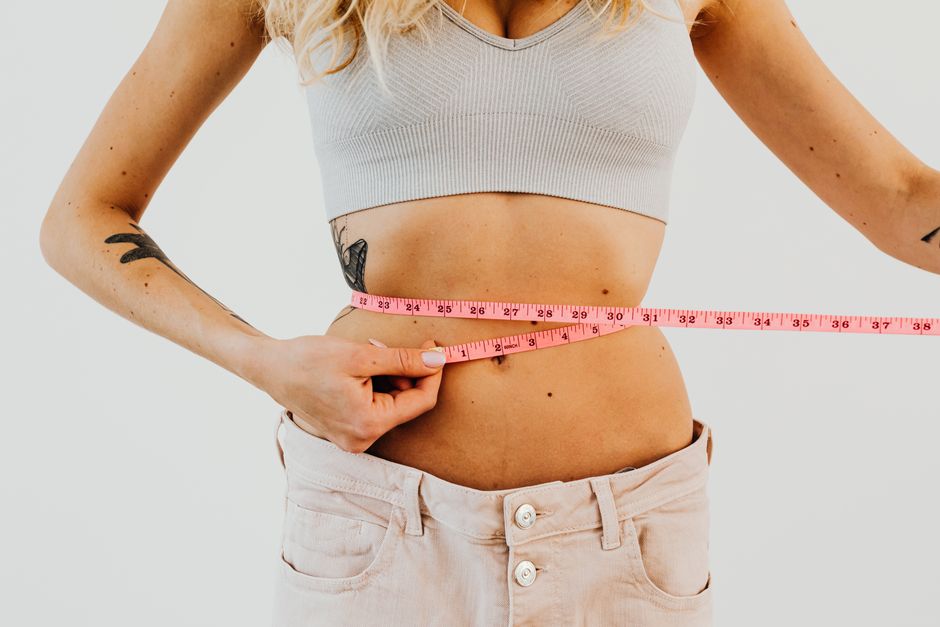
Water weight is extra fluid your body is holding in the spaces between cells and in the bloodstream. It is not fat, and it usually shifts within days rather than weeks. The fastest natural ways to reduce it are to cut back on salty processed foods, drink enough water so your body stops holding onto it, move your muscles regularly, and get enough sleep. If swelling is sudden, one-sided, or comes with pain or shortness of breath, that is a medical issue, not water weight, and it needs a doctor.
What Is Water Weight, Exactly?
Water weight is fluid retention, also called edema when it becomes noticeable. Your body is roughly 50 to 60 percent water, and that fluid is constantly moving between your blood vessels, your cells, and the space around them.
Two forces keep this balance. One is sodium, which pulls water toward it. The other is a pair of proteins, mainly albumin, that keep fluid inside your blood vessels where it belongs. When sodium rises or those proteins drop, fluid leaks into the tissue around your cells. That is what you feel as puffiness in your fingers, ankles, or face.
This is why water weight can show up as two to four pounds overnight. Fat does not appear that fast. Fluid can.
What Causes Water Weight Gain?
The most common cause by far is a high-sodium meal. Restaurant food, canned soup, deli meat, and frozen dinners can carry more sodium in one sitting than your body needs in a full day. Your kidneys respond by holding water to dilute it.
Other common triggers include:
- Hormonal shifts. Estrogen and progesterone changes before a period can cause fluid retention in many women.
- Carbohydrate loading. Each gram of stored glycogen holds water with it, which is why low-carb diets cause fast initial weight loss.
- Sitting or standing for long periods. Gravity pulls fluid into your legs, and your calf muscles are not pumping it back up.
- Some medications. Certain blood pressure drugs, steroids, and nonsteroidal anti-inflammatory drugs can cause fluid retention.
- Poor sleep and high stress. Both affect hormones that regulate how your kidneys handle sodium and water.
Less common but more serious causes include heart, kidney, and liver conditions. These are not things to self-treat with diet changes.
How To Remove Water Weight Quickly And Naturally?
The honest answer is that most water weight resolves on its own within a few days once you remove the trigger. What you can do is stop giving your body reasons to hold fluid.
Cut sodium, do not just cut water. This is the single most effective step. The Dietary Guidelines for Americans recommend keeping sodium under 2,300 mg per day, and the American Heart Association suggests an ideal limit of 1,500 mg per day for most adults. Most people in the US eat well above that. Dropping your intake for two or three days often produces visible change.
Drink more water, not less. This sounds backwards, but restricting fluids when you are retaining water usually makes it worse. Your body releases antidiuretic hormone when it senses low fluid intake, and that hormone tells your kidneys to hold onto water. Staying hydrated signals that it is safe to let fluid go.
Move your body. Muscle contraction, especially in your calves, pushes fluid through your lymphatic system back toward your heart. Walking for 20 to 30 minutes is enough. Standing still does not do this. The movement is what matters.
Eat potassium-rich foods. Potassium helps your body balance sodium. Foods like bananas, potatoes, spinach, beans, and yogurt are good sources. Potassium supplements are a different matter and should not be taken without a doctor’s guidance, because too much can affect heart rhythm.
Sleep. Short sleep raises cortisol and can shift how your kidneys handle sodium. Getting seven to nine hours is a reasonable target for most adults.



What Foods Help Reduce Water Retention?
Foods that are high in water and potassium tend to help. Foods high in sodium do the opposite, even when they seem light.
Potassium-rich options include:
- Bananas, oranges, and melon
- Potatoes and sweet potatoes with the skin
- Spinach, kale, and other leafy greens
- Beans, lentils, and other legumes
- Plain yogurt and milk
Some evidence suggests natural diuretic compounds in certain foods and herbs, including dandelion and green tea, may have mild effects. The evidence is not strong enough to call these reliable treatments. They are reasonable additions, not replacements for cutting sodium.
Watch out for foods marketed as “healthy” that are high in sodium. Some canned soups, flavored yogurts, and even some salad dressings carry more sodium than a serving of potato chips.
Do Diuretics and “Water Pills” Help?
Prescription diuretics are real medications with real effects. They work by telling your kidneys to excrete more sodium and water. They are used for conditions like heart failure, kidney disease, and high blood pressure, and they require medical supervision because they can cause electrolyte imbalances.
Over-the-counter “water pills” are a different category. Many contain herbal ingredients with limited evidence behind them. Some contain caffeine, which has a mild diuretic effect. No large human trials have confirmed that most commercial water pills produce meaningful or lasting fluid loss.
Using diuretics to lose weight for an event or a weigh-in is a known risk. It can cause dehydration, low potassium, and dangerous heart rhythm problems. This is not a safe or effective way to manage water weight.
When Is Water Weight a Medical Problem?
Water weight from a salty meal or a menstrual cycle is harmless and temporary. Swelling that is new, persistent, or one-sided is not.
See a doctor if you notice:
- Swelling in one leg or arm but not the other
- Swelling that comes with pain, redness, or warmth
- Sudden swelling in the face, lips, or throat
- Swelling with shortness of breath, chest pain, or difficulty lying flat
- Swelling that does not improve after several days of reducing sodium
- Swelling along with weight gain, fatigue, or changes in urination
These can be signs of a blood clot, heart failure, kidney disease, or an allergic reaction. Each of those needs prompt medical evaluation, not diet changes.
What Does Not Work for Water Weight?
Sweating it out does not work the way people think. Saunas and hot yoga make you lose water through sweat, but that fluid comes back as soon as you drink. It is temporary and not a real fix.
Cutting water intake does not work either, for the reason already covered. Your body responds to low intake by holding on harder.
Detox teas and cleanses are mostly marketing. Many contain laxatives, which cause fluid loss through the gut, not through a real change in how your body handles water. The effect is short-lived and can cause cramping and electrolyte problems.
Compression socks can help with leg swelling from standing or travel. They are not a treatment for water weight caused by diet or hormones, but they are a reasonable tool for specific situations.
Frequently Asked Questions
How long does it take to lose water weight?
Most water weight from a high-sodium meal or hormonal shift clears within two to four days once you cut back on salt and stay hydrated. If swelling lasts longer than a week without a clear cause, see a doctor.
Does drinking more water help you lose water weight?
Yes. Restricting fluids can trigger your body to hold onto water, so staying hydrated often helps your kidneys release it. Aim for consistent intake throughout the day rather than large amounts at once.
Can coffee or green tea reduce water weight?
Caffeine has a mild diuretic effect, but it is small and short-lived. No strong evidence shows that coffee or green tea produces meaningful fluid loss on its own.
Is water weight the same as fat gain?
No. Water weight is fluid, and it can shift by several pounds in a day. Fat gain happens gradually and does not appear overnight.
