
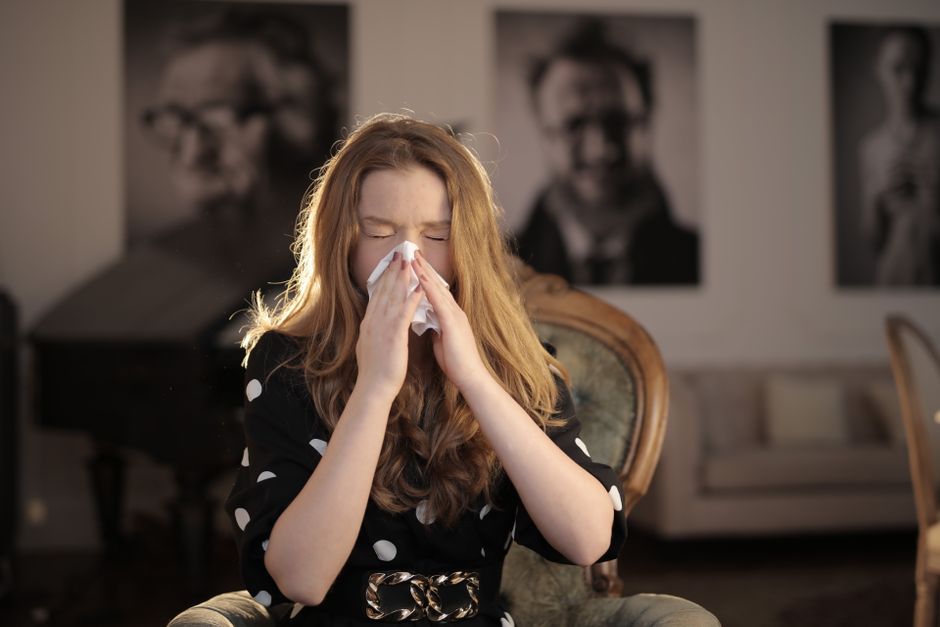
If you sneeze several times a day, most days, and it is not from a cold, you are likely dealing with an ongoing trigger in your environment or your body. The most common cause is allergic rhinitis, which affects up to 30% of adults according to the American College of Allergy, Asthma, and Immunology. Relief starts with identifying the specific trigger — whether it is dust, pollen, pet dander, or a non-allergic cause like dry air or a nasal condition — and then using targeted methods that research actually supports.
What Are the Most Common Causes of Constant Sneezing?
Sneezing is a reflex. Your body is trying to expel an irritant from your nasal passages. When it happens all the time, something is triggering that reflex repeatedly.
Allergic rhinitis is the top cause. This is often called hay fever. Your immune system overreacts to harmless substances like pollen, mold spores, dust mites, or animal dander. The CDC reports that about 19.2 million adults in the US are diagnosed with hay fever each year. Many more have symptoms without a formal diagnosis.
Non-allergic rhinitis is the second major category. Here, the symptoms look like allergies, but allergy tests come back negative. Triggers include strong odors (perfume, cleaning products), smoke, changes in temperature or humidity, and certain foods or drinks. Some people sneeze after eating spicy food or drinking alcohol. This is called gustatory rhinitis.
Chronic sinusitis can also cause frequent sneezing. The sinuses are inflamed for 12 weeks or longer. This often comes with nasal congestion, facial pressure, and a reduced sense of smell.
A less common but real cause is a structural issue inside the nose. A deviated septum or nasal polyps can trap irritants, leading to more sneezing. These are usually diagnosed by an ear, nose, and throat (ENT) doctor using a small camera.
Some people sneeze in response to bright light. This is called the photic sneeze reflex. It affects about 18 to 35 percent of people. It is genetic and harmless. It does not require treatment unless it bothers you.
Why Do I Sneeze All The Time Causes Relief: What the Research Shows
Research on chronic sneezing focuses heavily on controlling the underlying inflammation. A 2020 review in the journal Allergy confirmed that intranasal corticosteroids are the most effective single treatment for allergic rhinitis. These sprays reduce inflammation in the nasal passages directly.
Antihistamines work well for seasonal allergies. They block histamine, the chemical your body releases during an allergic reaction. But research published in JAMA Internal Medicine found that first-generation antihistamines like diphenhydramine (Benadryl) cause significant drowsiness. Newer antihistamines like cetirizine (Zyrtec) and loratadine (Claritin) are less sedating.
For non-allergic rhinitis, the evidence is less clear. A study in the Annals of Allergy, Asthma & Immunology found that ipratropium bromide nasal spray reduces the amount of nasal drainage and sneezing. It works by drying up the secretions rather than blocking inflammation.
Saline nasal rinses have solid evidence behind them. A 2018 meta-analysis in American Family Physician showed that daily saline irrigation improves symptoms of chronic rhinosinusitis and reduces the need for medication. It physically flushes out irritants and thins mucus.
Research on immunotherapy — allergy shots or drops — shows it is the only treatment that changes the immune system long-term. A 2016 review in The Cochrane Database of Systematic Reviews confirmed that allergy shots reduce symptoms and medication use for allergic rhinitis. The effect lasts for years after treatment stops.
What Treatments Actually Stop Frequent Sneezing?
The best treatment depends on what is causing the sneezing. There is no one-size-fits-all solution. But several methods have strong evidence behind them.
Nasal corticosteroid sprays are the first-line treatment for allergic rhinitis. Brands like fluticasone (Flonase) and triamcinolone (Nasacort) are available over the counter. They take a few days to start working and work best when used daily. Research shows they are safe for long-term use.
Antihistamines work well for episodic sneezing. If you sneeze mainly during pollen season, a daily antihistamine can help. Nonsedating options like loratadine or fexofenadine (Allegra) are preferred.
Saline nasal rinses are safe to use daily. They help remove allergens and irritants from the nose. Use distilled or boiled water to avoid infections.
Allergy immunotherapy is an option for people who do not respond to medication. Allergy shots involve regular injections over three to five years. Sublingual immunotherapy (drops or tablets under the tongue) is also available for certain allergens like grass pollen and dust mites.
For non-allergic sneezing, avoiding triggers is the main strategy. If perfume makes you sneeze, avoid it. If cold air triggers you, wear a scarf over your nose in winter.
| Treatment | Best For | How Long It Takes to Work |
|---|---|---|
| Nasal corticosteroid spray | Allergic rhinitis | 3-7 days |
| Antihistamine (oral) | Seasonal allergies | 1-2 hours |
| Saline rinse | Both allergic and non-allergic | Immediate |
| Ipratropium spray | Non-allergic rhinitis | 15-30 minutes |
| Allergy shots | Allergic rhinitis | Months to years |





What Home Remedies Actually Help?
Home remedies are popular, but the evidence is mixed. Some work. Some are overhyped.
Steam inhalation can temporarily relieve nasal congestion and make you feel less irritated. But a 2017 study in The Cochrane Database of Systematic Reviews found no evidence that steam helps chronic sinusitis symptoms. It may provide short-term comfort but does not treat the underlying cause.
Honey is sometimes suggested for allergies. Local honey is widely claimed to help with pollen allergies. There is no clinical evidence that eating local honey reduces allergy symptoms. The pollen in honey is mostly from flowers that bees visit, not from wind-pollinated plants like ragweed that cause most seasonal allergies.
Neti pots and squeeze bottles for saline rinses are effective when used correctly. The FDA recommends using only distilled, sterile, or boiled water. Tap water can contain organisms that cause serious infections.
HEPA air purifiers can reduce airborne allergens. A study in the Journal of Asthma found that HEPA filters reduced indoor particulate matter and improved symptoms in people with allergic rhinitis. Place one in the bedroom for the most benefit.
Quercetin is a plant flavonoid sometimes promoted for allergies. Some lab studies suggest it blocks histamine release. But human studies are limited and small. As of 2026, there is not enough evidence to recommend it as a reliable treatment.
When Should You See a Doctor for Constant Sneezing?
Frequent sneezing alone is rarely dangerous. But it can be a sign of something that needs medical attention.
See a doctor if:
An allergist can perform skin prick or blood tests to identify specific triggers. An ENT doctor can examine the inside of your nose for structural problems like polyps or a deviated septum.
Some people have a condition called vasomotor rhinitis. This is a form of non-allergic rhinitis where blood vessels in the nose overreact to stimuli like temperature changes or strong smells. It is diagnosed by ruling out allergies and other causes. Treatment focuses on avoiding triggers and using ipratropium spray as needed.
Common Misconceptions About Chronic Sneezing
Myth: Sneezing always means you are sick. Chronic sneezing is rarely caused by a cold. Colds last 7 to 10 days. If you sneeze for weeks or months, look for allergies or environmental triggers.
Myth: Allergy medications stop working if you take them every day. This is not true for most allergy drugs. Antihistamines and nasal sprays do not lose effectiveness over time. Some people develop tolerance to the sedative effects of older antihistamines, but the allergy-blocking effect remains.
Myth: You can outgrow allergies. Some children outgrow allergies to milk or eggs. But seasonal allergies and dust mite allergies tend to persist into adulthood. They can also develop at any age. You can become allergic to something you were never allergic to before.
Myth: Air conditioning makes allergies worse. The opposite is true for most people. Air conditioning filters outdoor pollen and reduces humidity, which limits dust mite and mold growth. Window units that are not cleaned can blow mold into the room, but central air with a clean filter generally helps.
Myth: If allergy tests are negative, it is not allergies. This is partially true but misleading. Standard allergy tests only check for IgE-mediated allergies. Some people have local allergic rhinitis, where the allergic reaction happens only in the nose and does not show up on skin or blood tests. An ENT can diagnose this with a nasal allergen challenge.
Frequently Asked Questions
Can stress cause me to sneeze all the time?
Stress does not directly cause sneezing, but it can worsen existing nasal inflammation and make you more sensitive to triggers. Managing stress may help reduce the frequency of sneezing episodes.
Why do I sneeze after eating certain foods?
This is called gustatory rhinitis, a non-allergic reaction where spicy foods or alcohol trigger nasal drainage and sneezing. It is not dangerous and can be managed by avoiding the specific foods that cause it.
Is it normal to sneeze 10 times in a row?
Yes, multiple sneezes in a row are normal. Each sneeze does not fully clear the irritant, so your body keeps sneezing until the trigger is removed. This is common in allergic rhinitis.
What is the fastest way to stop a sneezing fit?
Blowing your nose gently or using a saline spray can help remove the irritant. Breathing through your mouth and avoiding the trigger, like stepping away from strong odors, can also stop the fit quickly.
