
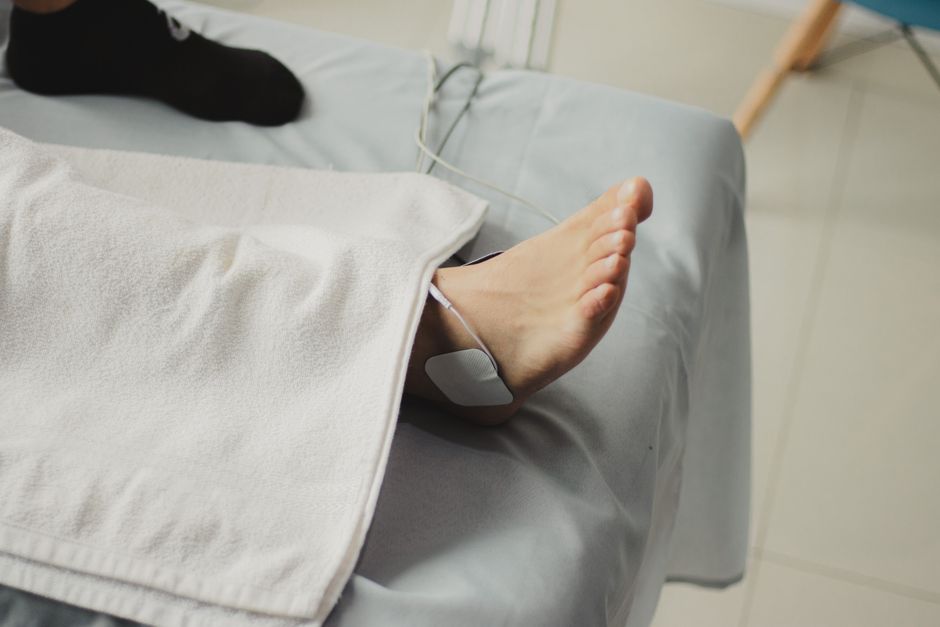
Cuboid syndrome is a common cause of outer foot pain that often gets missed. It happens when the cuboid bone, located on the outside of your midfoot, shifts slightly out of place. The good news is that it is highly treatable. Most people recover with a combination of targeted rest, specific exercises, and manual therapy from a qualified professional. Treatment focuses first on reducing pain, then on restoring normal movement, and finally on strengthening the foot to prevent the problem from coming back.
What Exactly Is Cuboid Syndrome?
Cuboid syndrome is a condition where the cuboid bone partially dislocates from its normal position. The cuboid is a small, cube-shaped bone on the outer edge of your foot, just in front of the ankle. It sits in a groove and helps support your body weight when you walk or stand.
The condition is also called cuboid subluxation or “dropped cuboid.” It is not a full dislocation. The bone shifts just enough to cause pain and restricted movement. It is most common in athletes, dancers, and people who do a lot of running or jumping, but it can happen to anyone.
What Causes Cuboid Syndrome?
The most common cause is a sudden twist or roll of the foot. Landing awkwardly from a jump, stepping in a hole, or changing direction quickly on a playing field can all shift the cuboid bone. The injury often happens during activities that put sudden stress on the outer edge of the foot.
Another common cause is overuse. Repeated stress from running long distances or wearing shoes with poor support can gradually weaken the ligaments that hold the cuboid in place. Over time, the bone shifts out of its normal position.
Ankle sprains are also a known trigger. When you roll your ankle, the same force can pull the cuboid bone out of alignment. Some research suggests that up to 40 percent of people with ankle sprains also have some degree of cuboid involvement, though not all develop full cuboid syndrome.
How Do You Know If You Have Cuboid Syndrome?
The main symptom is pain on the outside of the foot, roughly halfway between your ankle and your little toe. The pain may come on suddenly after an injury, or it may build gradually over time. It often feels worse when you put weight on the foot, push off to walk or run, or stand on your tiptoes.
You may also notice swelling or tenderness in that specific spot. Some people feel a sense of weakness in the foot or have trouble finding a comfortable position for it. The pain can be sharp during activity and a dull ache at rest.
Because other conditions can cause similar pain, cuboid syndrome is often misdiagnosed. Stress fractures, peroneal tendonitis, and arthritis of the midfoot can all produce outer foot pain. If your pain does not improve with basic rest and care within a few days, see a healthcare provider for an accurate diagnosis.





How To Treat Cuboid Syndrome From Pain Relief To Recovery
Treatment follows a clear progression. The first goal is pain relief. The second is restoring normal joint movement. The third is strengthening the foot to prevent recurrence. Most people respond well to conservative treatment without surgery.
Immediate Pain Relief
Start with the standard approach for any acute foot injury. Rest the foot and avoid activities that cause pain. Apply ice to the outer edge of the foot for 15 to 20 minutes several times a day during the first 48 hours. Wrap the ice in a cloth to protect your skin.
Over-the-counter anti-inflammatory medications like ibuprofen can help reduce pain and swelling. Follow the dosing instructions on the package. If you have medical conditions or take other medications, check with your doctor or pharmacist first.
Elevating the foot above heart level when you sit or lie down can also help reduce swelling. Compression from an elastic bandage or a supportive wrap may provide comfort, but wrap it snugly without cutting off circulation.
Manual Therapy and Professional Treatment
Many people with cuboid syndrome benefit from manual therapy performed by a podiatrist, physical therapist, or chiropractor. The most common technique is called cuboid whip or cuboid manipulation. The provider applies a quick, specific thrust to the bone to guide it back into its normal position.
This technique often provides immediate relief. Many people feel a noticeable decrease in pain right after the manipulation. However, the bone can slip out again if the surrounding muscles and ligaments remain weak. That is why professional treatment is only one part of the recovery process.
Your provider may also use taping to support the cuboid bone. Kinesiology tape or rigid athletic tape applied in a specific pattern can help hold the bone in place while the surrounding tissues heal.
Exercises To Restore Foot Function
Once the acute pain settles, exercises are essential. The goal is to strengthen the small muscles of the foot and improve its ability to absorb shock. Start these exercises only when you can bear weight on the foot without sharp pain.
Toe curls are a good starting point. Place a towel on the floor and use your toes to scrunch it toward you. Repeat for 1 to 2 minutes. This strengthens the intrinsic muscles of the foot that help support the arch.
Calf raises strengthen the muscles that attach to the cuboid area. Stand with your feet flat on the floor. Slowly rise onto your toes, hold for a second, then lower back down. Start with both feet and progress to single-leg raises as you improve.
Balance exercises help retrain the foot to respond to uneven surfaces. Stand on one foot for 30 seconds at a time. When that becomes easy, try closing your eyes or standing on a pillow. This improves proprioception, which is your body’s ability to sense where your foot is in space.
These exercises should be done consistently. The muscles that support the cuboid bone are small and need regular stimulation to regain strength. Aim for daily practice, but stop if any exercise causes sharp pain.
When Can You Return To Activity?
Returning to normal activity is a gradual process. You should be able to walk without pain before you attempt running or jumping. Even then, start slowly. Begin with a light jog on a flat, soft surface. Increase distance and intensity gradually over several weeks.
Most people with cuboid syndrome recover within a few weeks with proper treatment. Some cases take longer, especially if the condition has been present for months or if the underlying cause, such as poor foot mechanics, is not addressed. If you have no improvement after several weeks of conservative care, follow up with your healthcare provider.
Footwear matters during recovery. Shoes with good arch support and a firm heel counter can reduce stress on the cuboid bone. Some people benefit from over-the-counter arch supports or orthotics prescribed by a podiatrist. Avoid worn-out shoes, flat sandals, and high heels during the recovery period.
Can Cuboid Syndrome Come Back?
Yes, cuboid syndrome can recur. The ligaments that hold the bone in place may remain stretched or weakened after the initial injury. If you return to high-impact activities too quickly, or if you do not address underlying foot mechanics, the bone can shift out of place again.
Prevention focuses on maintaining foot strength and wearing appropriate footwear. Continuing the strengthening exercises even after your pain resolves can help. If you are prone to recurring cuboid syndrome, your healthcare provider may recommend custom orthotics to support your foot during activity.
It is also worth addressing any contributing factors. If you have flat feet, high arches, or leg-length differences, these can place uneven stress on your feet. A podiatrist can assess your gait and recommend appropriate support.
What Does The Evidence Say About Cuboid Syndrome Treatment?
The evidence base for cuboid syndrome is limited. Most of what clinicians know comes from case reports, clinical experience, and small studies. There are no large randomized controlled trials comparing different treatment approaches for this specific condition.
That does not mean treatment is unproven. Manual therapy for cuboid syndrome is widely used in clinical practice, and many clinicians report good outcomes. The lack of large trials reflects the fact that cuboid syndrome is often underdiagnosed and understudied, not that treatment is ineffective.
What is well established is the general principle that foot injuries respond well to a combination of rest, gradual loading, and strengthening. This approach is supported by decades of sports medicine research for similar musculoskeletal conditions.
Frequently Asked Questions
How long does cuboid syndrome take to heal?
Most people recover within a few weeks with proper treatment. Chronic cases that have been present for months may take longer and often require professional manual therapy.
Can cuboid syndrome heal on its own without treatment?
Mild cases may resolve with rest alone, but the bone can slip out of place again once you return to activity. Manual therapy and strengthening exercises significantly reduce the chance of recurrence.
Is it safe to walk with cuboid syndrome?
Walking is generally safe if you can do it without sharp pain. If walking is painful, rest the foot and seek professional evaluation to rule out a stress fracture or other injury.
What is the fastest way to relieve cuboid syndrome pain?
Cuboid manipulation performed by a qualified professional often provides the fastest relief. Many people feel significant improvement immediately after the bone is guided back into position.
