
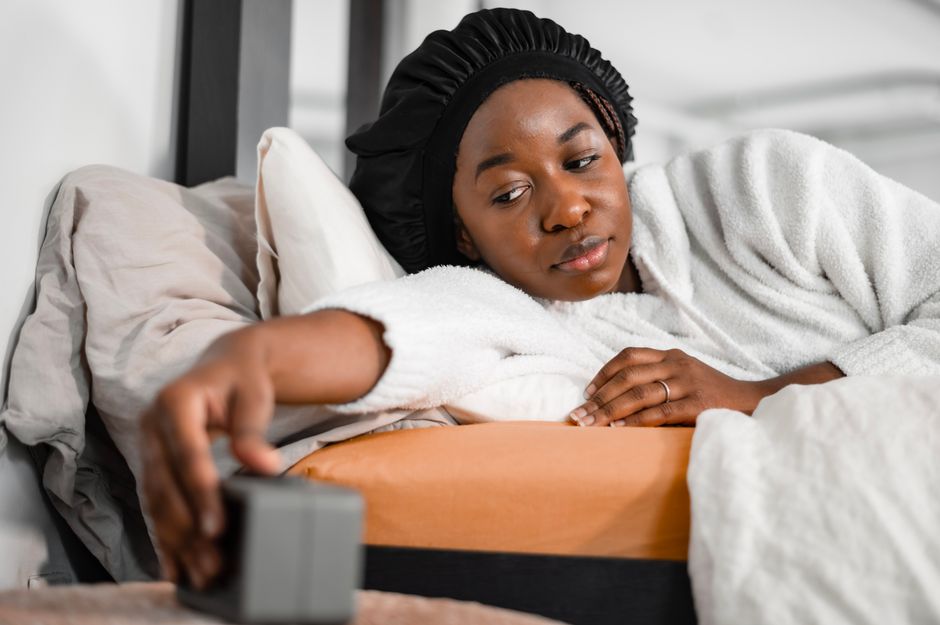
Waking up at night is normal. Staying awake is not. Most people briefly surface from sleep several times without remembering it. The problem starts when something pulls you fully awake and your brain decides the night is over. The most common causes are sleep apnea, stress and anxiety, nocturia (needing to urinate), alcohol, room temperature, blood sugar shifts, and age-related changes to sleep architecture. Each has a different fix, which is why a single remedy rarely works.
Why Do I Keep Waking Up At Night Causes Fixes? Root Causes
Sleep is not one continuous state. It cycles through lighter and deeper stages roughly every 90 minutes, and brief awakenings between cycles are a normal part of that architecture. You notice the awakenings only when something keeps you up long enough to remember.
That “something” usually falls into one of a few categories. Breathing interruptions, bladder pressure, hormonal shifts, environmental discomfort, and a racing mind account for the large majority of cases. Sometimes two or more overlap. A person with mild sleep apnea who also has two glasses of wine before bed may wake repeatedly for reasons that neither factor would cause alone.
The fix depends entirely on the cause. A white noise machine will not help sleep apnea. Cutting fluids after dinner will not help anxiety. This is why identifying the pattern of your awakenings matters more than trying random remedies.
What the timing of your awakenings tells you
When you wake can point toward a cause.
- Waking within 1-2 hours of falling asleep: often linked to alcohol, reflux, or a sleep onset problem.
- Waking between 2 and 4 a.m.: commonly associated with stress, low blood sugar, or the natural dip in sleep drive that occurs in the second half of the night.
- Waking multiple times with a dry mouth or gasping: raises suspicion for sleep apnea.
- Waking needing to urinate: nocturia, which has its own set of causes.
This is a rough guide, not a diagnosis. Patterns overlap and self-assessment is unreliable. If you snore heavily or wake gasping, that is worth a medical evaluation regardless of timing.
Is Sleep Apnea Making Me Wake Up At Night?
Sleep apnea is one of the most underdiagnosed causes of nighttime waking. In obstructive sleep apnea, the upper airway collapses repeatedly during sleep, cutting off airflow. The brain detects the drop in oxygen and briefly rouses you to reopen the airway. These arousals are usually too short to remember.
What people do remember is waking with a dry mouth, a headache, or a feeling of gasping. Daytime sleepiness is often the bigger clue. If you snore loudly, wake unrefreshed, and feel drowsy during the day, that combination warrants a conversation with a clinician.
Sleep apnea is not just a nuisance. Left untreated, it is associated with high blood pressure, heart rhythm problems, and increased cardiovascular risk. Diagnosis is made through a sleep study, which can often be done at home. Treatment typically involves a CPAP machine or, for some people, an oral appliance or positional therapy.
This is the one cause on this list where you should not try to fix it yourself. No supplement, pillow, or bedtime routine treats sleep apnea.
Can Stress and Anxiety Wake You Up?
Stress and anxiety are among the most common reasons people wake in the second half of the night and cannot fall back asleep. The mechanism is well understood. When you are under stress, cortisol and adrenaline stay elevated. These are the hormones that promote alertness. In the early morning hours, cortisol naturally rises as part of your circadian rhythm. If you are already anxious, that rise can tip you into full wakefulness.
The frustrating part is the loop. Lying awake worrying about being awake raises arousal further, which makes sleep less likely. Over time, the bed itself becomes a cue for alertness rather than rest.
What helps, based on established behavioral sleep medicine:
- Getting out of bed if you are awake for what feels like a long stretch, and doing something calm and dim in another room until sleepy.
- Keeping a consistent wake time, even after a bad night. This protects your sleep drive.
- Writing down worries earlier in the evening so your brain is not processing them at 3 a.m.
- Limiting caffeine in the afternoon and evening. Caffeine has a long half-life and can still be active many hours later.
Cognitive behavioral therapy for insomnia, known as CBT-I, is the first-line treatment for chronic insomnia and has strong evidence behind it. It is not the same as general talk therapy. If sleep problems have lasted more than a few weeks, it is worth asking about.





Why Do I Wake Up Needing to Urinate?
Waking to urinate, called nocturia, is a distinct problem with its own causes. It is not simply a matter of drinking too much before bed, though that can contribute.
In younger adults, nocturia is often related to bladder habits or caffeine and alcohol, both of which irritate the bladder and increase urine production. In adults over 50, the picture changes. The body’s ability to concentrate urine overnight declines with age, so you produce more urine at night than you used to. In men, an enlarged prostate can reduce bladder emptying, leading to more frequent trips. In both sexes, conditions like poorly controlled diabetes and heart failure can increase nighttime urination.
Some medications, including diuretics, can also shift urine production toward the night depending on when they are taken. Do not change medication timing on your own. Ask your prescriber.
Practical steps that some clinicians recommend include limiting fluids in the two to three hours before bed, cutting back on alcohol and caffeine, and elevating the legs in the late afternoon if you have swelling. If nocturia persists or is accompanied by pain, blood in the urine, or a sudden change, see a clinician.
How Do Alcohol, Blood Sugar, and Temperature Affect Night Waking?
Three common and often overlooked triggers deserve their own look.
Alcohol is a sedative, so it helps you fall asleep. The problem comes later. As the body metabolizes alcohol, sleep becomes lighter and more fragmented, and awakenings increase in the second half of the night. Alcohol also relaxes the muscles of the upper airway, which can worsen snoring and sleep apnea, and it acts as a diuretic. A drink in the evening can hit you three ways at once.
Blood sugar shifts can wake you too. If blood sugar drops overnight, the body releases hormones to bring it back up, and that response can rouse you. This is most relevant for people with diabetes, especially those on insulin or certain medications. For people without diabetes, the effect is smaller and less well established, though a very heavy or sugary late meal can disrupt sleep for other reasons.
Room temperature matters more than most people realize. Core body temperature needs to drop slightly for sleep to begin and be maintained. A room that is too warm interferes with that drop. Most sleep guidance points to a cool room, roughly in the mid-60s Fahrenheit, though individual comfort varies.
| Trigger | Typical pattern | What tends to help |
|---|---|---|
| Alcohol | Falls asleep fast, wakes in second half of night | Stop drinking 3-4 hours before bed |
| Low blood sugar | Wakes with shakiness, sweating, or hunger | Talk to a clinician about medication timing |
| Warm room | Restless, throws off covers, wakes often | Cool the room, lighter bedding |
Does Age Change Why You Wake Up At Night?
Sleep does change with age, but “it’s just age” is used too often to dismiss a fixable problem.
What genuinely changes: the amount of deep slow-wave sleep declines, sleep becomes lighter and more easily interrupted, and the circadian rhythm shifts earlier so you feel sleepy sooner and wake sooner. Melatonin production also decreases. These are real changes, not complaints.
What does not change: your need for sleep. Older adults still need roughly seven to nine hours. Waking more often does not mean you need less sleep. It often means something is disrupting the sleep you still need.
Because lighter sleep is easier to break, the same noise, light, or bladder pressure that would not have woken you at 30 can wake you at 60. That makes the environment and the underlying causes more important to address, not less.
What Actually Helps You Stay Asleep?
The fix follows the cause. There is no universal answer, and anyone selling one is overselling.
Start with the basics that support sleep for almost everyone:
- Keep a consistent wake time, seven days a week.
- Get bright light in the morning to anchor your circadian rhythm.
- Keep the room cool, dark, and quiet.
- Limit alcohol and caffeine, especially in the hours before bed.
- Get out of bed if you are wide awake, rather than lying there frustrated.
If those do not help, the next step is figuring out what is actually waking you. Snoring and gasping point to a sleep study. Persistent nocturia points to a medical review. Ongoing anxiety points to CBT-I. Blood sugar concerns point to a conversation with your prescriber.
One non-obvious point: the harder you try to sleep, the less likely it is to come. Sleep is not something you can force. The goal is to remove what is blocking it, then let it happen. Chasing sleep tends to push it further away.
Frequently Asked Questions
Is it normal to wake up multiple times at night?
Brief awakenings between sleep cycles are normal and most people do not remember them. Waking fully and struggling to fall back asleep is not normal and usually points to an underlying cause.
What is the most common cause of waking up at night?
There is no single most common cause, but sleep apnea, stress, nocturia, and alcohol are among the most frequent. The right answer depends on your specific pattern of waking.
Can low blood sugar wake me up at night?
It can, especially for people with diabetes on insulin or certain medications. If you wake with shakiness, sweating, or hunger, talk to your clinician about your medication and timing.
When should I see a doctor about waking up at night?
See a clinician if you snore heavily, wake gasping, feel very sleepy during the day, or have nighttime waking that lasts more than a few weeks. These signs can point to conditions that need treatment.
