
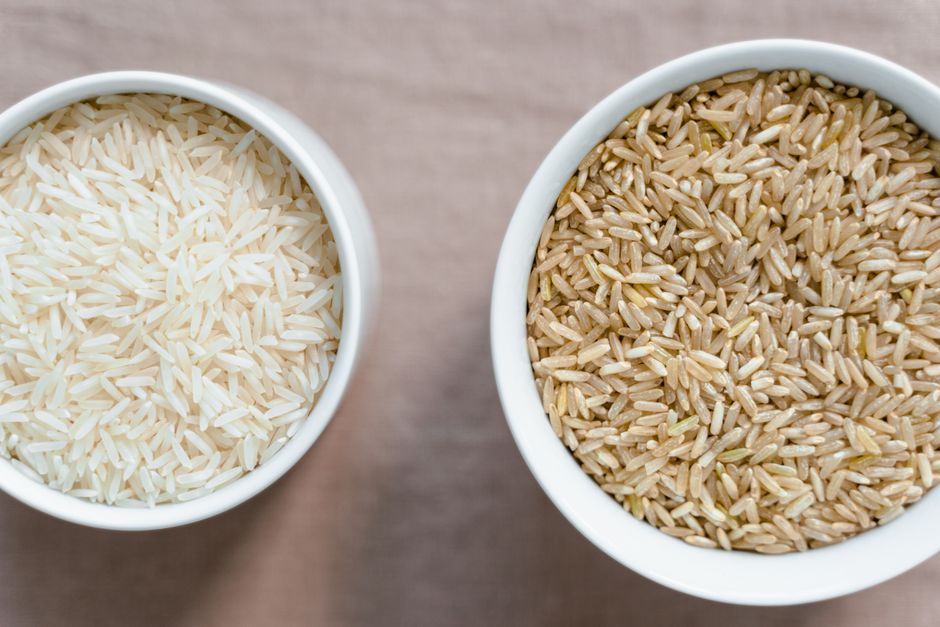
Cooked rice keeps in the fridge for 3 to 4 days. That is the standard recommendation from food safety authorities like the USDA. The clock starts ticking as soon as the rice finishes cooking, not when you bring it home from the store. After that window, the risk of foodborne illness increases, even if the rice looks and smells normal.
How Long Does Rice Keep In Fridge?
Cooked rice stays safe to eat for 3 to 4 days when refrigerated below 40°F (4°C). This applies to white rice, brown rice, jasmine, basmati, and any other variety. The 3‑to‑4‑day rule is not a suggestion — it is a safety limit based on how fast bacteria can grow under refrigeration. After day four, the chance that harmful bacteria have multiplied to dangerous levels rises significantly.
Why 3 to 4 days and not longer? Refrigeration slows bacterial growth but does not stop it entirely. The bacteria Bacillus cereus is a particular concern with rice because its spores survive the cooking process. Once the rice cools and sits in the fridge, those spores can slowly germinate and produce toxins. The 3‑to‑4‑day window keeps you well clear of the danger zone.
- White rice: 3–4 days
- Brown rice: 3–4 days
- Wild rice: 3–4 days
- Rice mixed with other ingredients (e.g. casseroles, stir‑fries): 3–4 days
The same time limit applies whether you cooked the rice yourself or bought it pre‑cooked from a store. If the package says “refrigerate after opening,” follow the 3‑to‑4‑day rule from the moment you open it.
Why Does Rice Go Bad in the Fridge?
Cooked rice is moist, starchy, and low in acid — perfect conditions for bacterial growth. The main threat is Bacillus cereus, a bacterium commonly found in soil and grains. Its spores can survive boiling water. When cooked rice is left at room temperature too long, the spores germinate and produce a heat‑stable toxin. That toxin does not break down when you reheat the rice.
The refrigerator slows the spores from germinating, but it does not stop them entirely. The longer rice sits in the fridge, the more time the spores have to start producing toxin. That is why the 3‑to‑4‑day limit exists.
Another factor: improper cooling. If you put a large pot of hot rice directly into the fridge, the center can stay warm for hours. That warm pocket allows bacteria to multiply even while the outer layers chill. The safest approach is to spread hot rice into shallow containers so it cools quickly — within one hour.
How to Store Cooked Rice in the Fridge for Maximum Freshness
Proper storage extends the safe window toward the full 4 days and helps maintain quality. Follow these steps:
- Cool it quickly. Within 1 hour of cooking, transfer rice to shallow containers (2 inches deep or less). Do not leave it on the counter for more than 2 hours total. If the room is above 90°F, that limit drops to 1 hour.
- Cover it tightly. Use an airtight container or wrap the bowl with plastic wrap. This keeps the rice from drying out and prevents it from absorbing fridge odors.
- Label it. Write the date on the container so you know exactly when it was cooked.
- Keep the fridge temperature below 40°F (4°C). Use a refrigerator thermometer if your fridge does not display the temperature.
- Do not leave it out after reheating. Leftovers that are reheated should be eaten immediately or discarded. Do not put them back in the fridge for later.
These steps also prevent cross‑contamination from raw meat or poultry stored nearby. Keep rice containers on a shelf above raw proteins, not below.





How to Tell if Rice Has Gone Bad
Trust your senses, but remember that toxins from Bacillus cereus can be present without any obvious signs. The 3‑to‑4‑day rule is your safest guide. If you are past day 4, throw it out regardless of appearance or smell.
Signs that rice has spoiled:
- Smell: An off, sour, or ammonia‑like odor. Fresh cooked rice has a mild neutral scent.
- Texture: Slimy, sticky, or mushy spots. Dry hard crust can also indicate age, but is less concerning.
- Mold: Any fuzzy growth, black, green, or white spots. Discard the entire container.
- Discoloration: Yellow or brown patches that were not there when the rice was fresh.
If you see any of these, do not taste test. Toss the rice and wash the container in hot soapy water before reusing it.
Can You Eat Rice After 5 Days in the Fridge?
It is not recommended. Even if the rice appears normal and smells fine, harmful bacteria or toxins could be present. The 3‑to‑4‑day guideline was set because data showed that the risk of illness rises noticeably after that point. Some people eat rice after 5 or 6 days and do not get sick, but that does not mean it is safe. Foodborne illness from Bacillus cereus typically causes vomiting and diarrhea that lasts 24 hours — unpleasant, but rarely serious for healthy adults. However, people with weakened immune systems, older adults, pregnant women, and young children can have more severe reactions.
When in doubt, throw it out. A container of rice costs far less than a trip to the emergency room.
How to Reheat Leftover Rice Safely
Reheating rice kills active bacteria but does not destroy the heat‑stable toxins they may have already produced. That is why proper storage within the safe window is more important than how you reheat.
When reheating, follow these steps:
- Heat to 165°F (74°C). Use a food thermometer to check the internal temperature at the center of the rice. Steam it, microwave it, or stir‑fry it until piping hot throughout.
- Do not reheat more than once. Each time rice cools and is reheated, it passes through the temperature danger zone again, increasing risk. Only take out the amount you plan to eat.
- Add a tablespoon of water before microwaving to restore moisture. Cover the dish to trap steam.
- Eat immediately. Do not let reheated rice sit at room temperature. Leftovers from reheating should be discarded.
Can You Freeze Cooked Rice?
Yes. Freezing is a good option if you will not use the rice within 4 days. Cooked rice can be frozen for up to 6 months and still be safe to eat. Freezing stops bacterial growth almost completely, but the quality — texture and flavor — will decline over time.
To freeze rice:
- Cool it quickly as described above.
- Portion it into freezer‑safe bags or containers. Flatten bags to save space and help the rice freeze and thaw evenly.
- Press out as much air as possible before sealing. This prevents freezer burn.
- Label with the date and type of rice.
To thaw, place the frozen rice in the refrigerator overnight. Reheat thoroughly to 165°F. You can also reheat frozen rice directly in a microwave or skillet without thawing — just add extra time and stir halfway through.
Does Freezing Kill Bacteria in Rice?
Freezing does not kill bacteria. It puts them into a dormant state. Once the rice thaws, any surviving bacteria can resume growing. That is why frozen rice must still be reheated to 165°F and eaten within a day after thawing, never refrozen.
Frequently Asked Questions
Can I eat rice left out overnight?
No. Rice left at room temperature for more than 2 hours should be discarded. The risk of bacterial growth and toxin formation is too high.
How long does brown rice last in the fridge?
Brown rice follows the same 3‑to‑4‑day rule as white rice. The higher oil content does not change the safety window.
Can you reheat rice twice?
No. Reheat only the amount you plan to eat. Each reheat cycles the rice through the temperature danger zone, increasing the chance of bacterial growth.
Does rice go bad if it smells fine?
Yes. Toxins from Bacillus cereus can be present without any odor or visible change. Always follow the 3‑to‑4‑day rule, not just your nose.
