
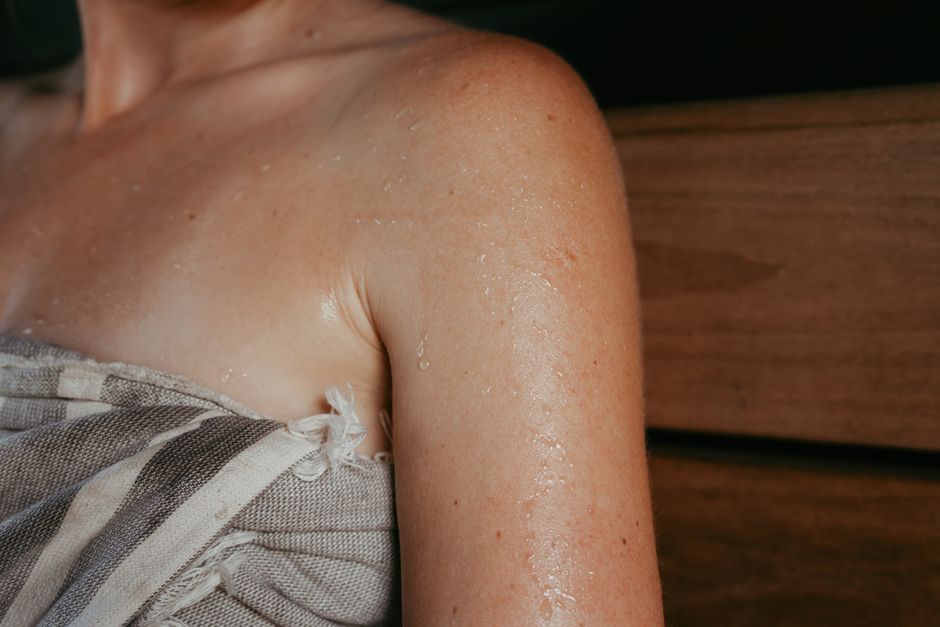
You step out of the shower feeling clean and cool. Five minutes later, your skin is damp again and your shirt is starting to stick. The reason is simple: your body’s cooling system doesn’t switch off the moment you turn off the water. In fact, the heat from the shower itself can trigger a fresh round of sweating just as you finish drying off.
This is normal physiology, not a sign that something is wrong with you. Your core temperature rises slightly during a warm shower, and your body responds the same way it would after any other heat exposure — by producing sweat to bring that temperature back down. The sweat you notice afterward is often the tail end of that cooling process, not a new problem.
Why Do I Keep Sweating After A Shower?
Your body maintains a core temperature of roughly 98.6°F (37°C), and it defends that number within a narrow range. A warm or hot shower raises your skin temperature and can nudge your core temperature up slightly. Your hypothalamus — the part of the brain that acts as your thermostat — detects this change and sends signals to your sweat glands to start cooling you down.
Here’s the part many people miss: sweat production doesn’t stop the instant the heat source is removed. Once your sweat glands are activated, they can keep producing moisture for several minutes while your body works to shed the extra heat. You towel off, but your internal cooling system is still running.
There’s also a second layer to this. The water on your skin after a shower doesn’t evaporate instantly. As it evaporates, it can feel cooling on the surface, but underneath, your body may still be releasing heat. The result is that damp, clammy feeling that seems to appear out of nowhere right after you’ve dried off.
Humidity plays a role too. In a steamy bathroom, the air is already saturated with moisture. Sweat can’t evaporate efficiently into air that’s already full of water vapor, so it stays on your skin longer and feels more noticeable.
Is Sweating After a Shower a Sign of a Health Problem?
For most people, no. Post-shower sweating is a predictable response to heat, and it resolves on its own within a few minutes. The key word is “most.”
There are situations where sweating after a shower — or sweating in general — deserves a closer look. If you’re sweating heavily after a lukewarm or cool shower, or if the sweating comes with chest pain, shortness of breath, dizziness, or a racing heart, that’s a reason to seek medical attention promptly. These can be signs of a cardiovascular issue, and they should not be dismissed.
Night sweats — drenching sweat that soaks your sheets while you sleep — are different from post-shower sweating and can be associated with infections, hormonal changes, some cancers, and certain medications. If you’re experiencing night sweats regularly, that’s worth discussing with a clinician.
For the average person stepping out of a warm shower on a summer day, though, this is just your body doing its job.
What Makes Post-Shower Sweating Worse?
Several factors can turn mild post-shower dampness into a noticeable sweat session. Understanding them can help you figure out whether your experience is typical or something you can adjust.
- Water temperature. Hot showers raise your core temperature more than warm ones. The hotter the water, the more heat your body has to shed afterward.
- Bathroom humidity. A closed bathroom with no ventilation traps steam. Sweat can’t evaporate, so it accumulates on your skin.
- Room temperature. If your bathroom or bedroom is warm, your body has less opportunity to cool down quickly.
- Physical activity before showering. If you exercised and then showered, your body may still be cooling down from the workout itself.
- Body weight. Larger bodies generate and retain more heat, which can mean more sweating during and after a shower.
- Medications. Some medications — including certain antidepressants, blood pressure drugs, and hormone therapies — can increase sweating as a side effect.
- Hormonal changes. Hot flashes and night sweats are common during perimenopause and menopause. A warm shower can trigger or worsen them.
None of these factors mean something is wrong. They simply explain why two people can take the same shower and have very different experiences afterward.




How to Reduce Sweating After a Shower
The most effective approach is to give your body less heat to deal with in the first place. A cooler shower — even slightly cooler than what feels comfortable — reduces the temperature spike and the sweating that follows.
Ventilation matters more than most people realize. Running an exhaust fan or opening a window during and after your shower helps moisture escape. If the air in the room isn’t saturated, your sweat can evaporate and cool you more efficiently.
Drying off thoroughly with a towel helps, but it won’t stop internal heat from producing more sweat. What it does is remove surface moisture so you’re not adding to the damp feeling. Some people find that stepping into a cooler room immediately after showering speeds up the cooldown.
A few practical adjustments that may help:
- Lower the water temperature, especially in summer.
- Keep showers shorter — less time in heat means less heat absorbed.
- Use an exhaust fan or crack a window.
- Avoid immediately layering on heavy clothing after your shower.
- Pat dry rather than rubbing vigorously, which can stimulate blood flow and warmth.
These steps won’t eliminate post-shower sweating entirely, but they can reduce how much you notice it.
When Sweating After a Shower Is Not About Heat
Sometimes the cause isn’t the shower at all. If you’re sweating after a shower even when the water is cool and the room is comfortable, other factors may be at play.
Anxiety and stress can trigger sweating through the sympathetic nervous system, which controls your sweat glands independently of temperature. If you tend to feel anxious in the morning or after a shower, that could be part of the picture.
Certain medical conditions can cause excessive sweating, a condition called hyperhidrosis. Primary hyperhidrosis typically affects specific areas — palms, underarms, face, or feet — and often starts in childhood or adolescence. Secondary hyperhidrosis is caused by an underlying condition or medication and tends to affect the whole body.
If you’re sweating so much after a shower that it interferes with your daily life, or if the sweating is new and unexplained, it’s reasonable to talk to a doctor. They can help rule out thyroid problems, blood sugar issues, infections, and other causes.
Does Sweating After a Shower Mean You’re Unhealthy?
No. Sweating is a normal, healthy function. It’s how your body regulates temperature and prevents overheating. The fact that you sweat after a shower means your cooling system is working.
What matters is the pattern. Sweating after a hot shower in a steamy bathroom is expected. Sweating heavily after a cool shower in a cool room, especially if it’s new or accompanied by other symptoms, is worth investigating.
There’s a common misconception that sweating “detoxifies” your body. It doesn’t, at least not in any meaningful way. Your liver and kidneys handle detoxification. Sweat is primarily water and electrolytes, with trace amounts of other substances. The purpose of sweating is temperature control, not cleansing.
Another myth: that you should avoid showering if you sweat afterward. That doesn’t make sense. Showering is about hygiene, and post-shower sweating doesn’t undo the cleaning. It’s just a temporary inconvenience.
How Long Does Post-Shower Sweating Usually Last?
For most people, it’s a matter of minutes. Once your core temperature returns to normal, the sweating stops. In a cool, well-ventilated room, that can happen quickly. In a hot, humid bathroom with no airflow, it can take longer.
If you’re still sweating 15 to 20 minutes after a cool shower, that’s less typical and may point to something other than heat. It’s not automatically a concern, but it’s a pattern worth noting.
The duration also depends on your individual physiology. Some people sweat more easily and cool down more slowly than others. That’s normal variation, not a defect.
What About Sweating After a Cold Shower?
Cold showers can actually cause sweating too, though for a different reason. When cold water hits your skin, your blood vessels constrict to conserve heat. Once you step out, your body may respond by dilating those vessels and increasing blood flow to the skin — which can trigger a sweating response as your body readjusts.
This is less common than sweating after a warm shower, but it happens. The mechanism is about rapid temperature changes rather than sustained heat.
Cold showers are sometimes recommended for other reasons, but the evidence for many claimed benefits is limited. If you’re taking cold showers specifically to avoid sweating, you may still experience some sweat as your body recalibrates.
Frequently Asked Questions
Why do I sweat right after I dry off from a shower?
Your sweat glands are still active from the heat of the shower, and your body is continuing to cool itself down. Drying off removes surface moisture but doesn’t stop internal heat production.
Is it normal to sweat after a cool shower?
It can happen, especially if the bathroom is warm or humid, but it’s less typical than sweating after a hot shower. If it happens consistently after cool showers in cool rooms, it may be worth mentioning to a doctor.
How can I stop sweating after a shower?
Lower the water temperature, keep showers short, and improve ventilation in your bathroom. These steps reduce the heat your body has to shed afterward.
Does sweating after a shower mean I’m unhealthy?
No, it usually means your body’s cooling system is working normally. Sweating after a hot shower is expected. Sweating heavily after a cool shower with other symptoms is worth investigating.
