
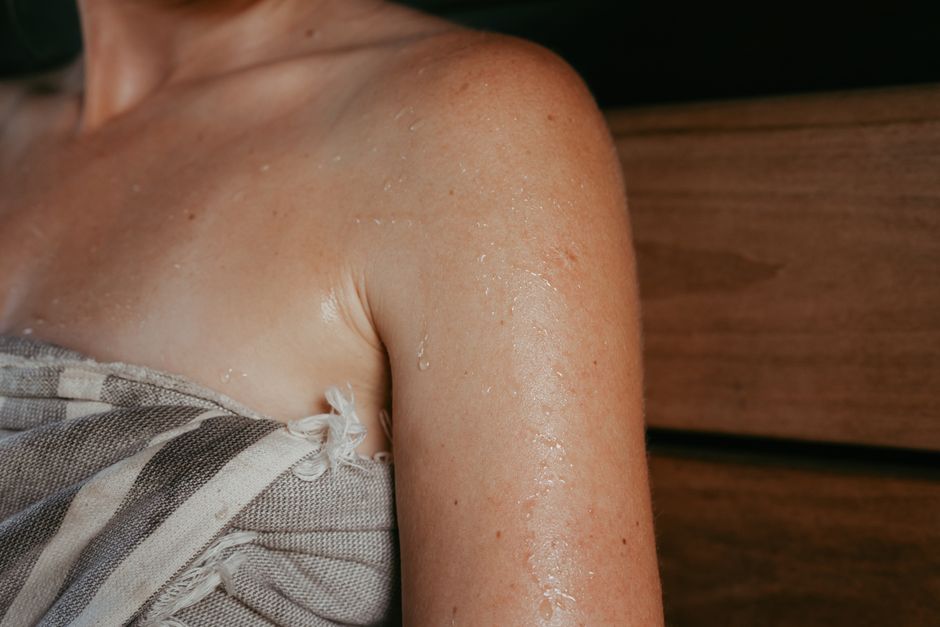
Feeling sweaty when you are not hot or exerting yourself is a real medical symptom. It is commonly caused by conditions such as hyperhidrosis, anxiety, hormonal shifts, low blood sugar, or an overactive thyroid. Your body’s sweat glands can activate in response to signals from your nervous system even without physical heat or exercise.
Why Do I Feel Like I’m Sweating When I’m Not?
This sensation has a medical name: diaphoresis. Diaphoresis means sweating that is not caused by physical activity, high temperatures, or environmental heat. It happens when your body’s sweat glands receive nerve signals to produce sweat, even though your core temperature is normal and you are not moving.
The nervous system controls sweating through the sympathetic nervous system — the part that handles stress responses. When this system is triggered, it can activate sweat glands anywhere on the body. The most common triggers are emotional stress, hormonal changes, low blood sugar, and certain medical conditions.
If you experience this regularly, it is worth understanding the underlying cause. In many cases, the cause is treatable or manageable.
What Causes Diaphoresis?
Diaphoresis can be classified as primary or secondary. Primary hyperhidrosis means excessive sweating without an underlying medical cause. It usually starts in childhood or adolescence and affects specific areas like the hands, feet, underarms, or face. Secondary hyperhidrosis occurs because of another condition or medication.
Common causes of secondary diaphoresis include:
- Anxiety and panic disorders – the body’s fight-or-flight response directly triggers sweat glands.
- Hormonal changes – menopause, pregnancy, and thyroid disorders can alter sweat production.
- Low blood sugar (hypoglycemia) – common in people with diabetes but can also occur without diabetes.
- Infections – fever or infection can cause sweating as the body fights illness.
- Medications – some antidepressants, pain relievers, and hormonal therapies list sweating as a side effect.
- Heart conditions – a heart attack may present with cold sweats, especially with chest pain.
- Overactive thyroid (hyperthyroidism) – speeds up metabolism, leading to heat production and sweating.
Could Anxiety Cause Sweating Without Heat?
Yes. Anxiety is one of the most common triggers for sweating that has nothing to do with temperature. When you are anxious, your sympathetic nervous system activates the sweat glands — particularly those on the palms, soles, and underarms.
This is a well-documented physiological response. The sweating is part of the body’s preparation for a perceived threat. Even if the threat is not physical — like a stressful meeting or social situation — the body can react as though it needs to cool down for action.
If you notice sweating mainly during stressful moments or when thinking about stressful events, anxiety is a likely cause. Many people with social anxiety experience this specifically in social settings.





What About Hormonal Changes Like Menopause?
Hormonal fluctuations are a well-established cause of sweating. During menopause, falling estrogen levels affect the hypothalamus — the part of the brain that regulates body temperature. This can trigger hot flashes and night sweats even when the room is cool.
Sweating from menopause often comes on suddenly. The sensation of heat may be followed by visible sweating and then chills as the body tries to cool down again. This pattern is called a hot flash, and it can happen multiple times per day or night.
Pregnancy and postpartum hormonal shifts can also cause similar symptoms. Thyroid disorders, both overactive and underactive, can disrupt temperature regulation and lead to sweating.
Is It a Sign of Low Blood Sugar?
Low blood sugar — called hypoglycemia — frequently causes sweating. This happens because the body releases adrenaline in response to falling glucose levels. Adrenaline triggers sweating as part of the stress response.
Sweating from hypoglycemia is often accompanied by other symptoms: shakiness, rapid heartbeat, hunger, confusion, or irritability. In people with diabetes, this is a common side effect of insulin or certain diabetes medications. In people without diabetes, it can occur after prolonged fasting, heavy alcohol use, or certain medical conditions.
If you experience sweating along with these other symptoms, checking your blood sugar — if possible — can clarify the cause. Eating a small meal may resolve the symptoms quickly if low blood sugar is the trigger.
What Other Medical Conditions Cause Sweating Without Heat?
Several medical conditions can cause diaphoresis beyond the common ones already mentioned.
- Heart attack: Cold sweats, especially with chest pain, shortness of breath, nausea, or jaw pain, require emergency medical attention.
- Infections: A fever from any infection can produce sweating as the body temperature rises and falls. Tuberculosis is especially known for night sweats.
- Certain cancers: Lymphoma and leukemia can cause drenching night sweats as an early symptom. This is less common but worth knowing.
- Neurological disorders: Conditions that affect the autonomic nervous system — such as Parkinson’s disease or autonomic neuropathy — can disrupt sweat regulation.
- Substance withdrawal: Withdrawal from alcohol, opioids, or other substances can cause drenching sweats.
Each of these conditions has its own pattern of symptoms. Sweating alone rarely points to a serious disease. But when combined with other specific symptoms, it can be a clue.
How to Tell Primary Hyperhidrosis from Secondary Causes
Primary hyperhidrosis typically begins in childhood or adolescence and affects specific body parts symmetrically — both hands, both feet, or both armpits. It often stops during sleep and is not associated with other symptoms.
Secondary hyperhidrosis starts later in life, often suddenly. It usually affects the whole body or one side. It may happen during sleep and is often linked to other symptoms like weight loss, fever, or palpitations.
A simple way to start thinking about the difference: if you have had sweaty hands and feet since you were a child and it runs in your family, primary hyperhidrosis is likely. If the sweating started recently and you are also feeling tired, hot, or losing weight, a secondary cause needs to be investigated.
When Should You See a Doctor About Sweating?
You should consider seeing a doctor if the sweating is new, severe, or disrupting your daily life. Also see a doctor if it happens at night and soaks your sheets, or if it is accompanied by unexplained weight loss, chest pain, fever, or fatigue.
A healthcare provider can take a history, check your vital signs, and order basic blood work to look for common causes like thyroid problems or low blood sugar. If needed, they may refer you to a specialist such as an endocrinologist or dermatologist.
For primary hyperhidrosis, treatment options include prescription antiperspirants, oral medications, botulinum toxin injections, and in severe cases, surgery. The choice depends on the severity and location of the sweating.
Can Diet or Lifestyle Changes Help Reduce Sweating?
Some lifestyle adjustments may reduce sweating for certain causes, though evidence is mixed. Avoiding caffeine and alcohol — both known triggers of sweat gland activity — can help some people. Managing stress through breathing exercises or relaxation techniques may reduce anxiety-triggered sweating.
Spicy foods can trigger sweating in sensitive individuals. Keeping a food and symptom diary for two weeks can help you identify personal triggers. Staying hydrated and wearing breathable fabrics may make episodes less bothersome.
For people with hyperhidrosis, these measures are unlikely to stop the sweating entirely. Medical treatment is more effective in those cases.
Frequently Asked Questions
Can stress cause sweating even when not hot?
Yes. Stress activates the sympathetic nervous system, which directly triggers sweat glands. This response happens regardless of temperature.
Is sweating without heat a sign of a heart attack?
It can be, especially if accompanied by chest pain, shortness of breath, nausea, or discomfort in the jaw or arm. Seek emergency care if these occur together.
Does menopause cause cold sweats?
Hot flashes during menopause can cause sudden sweating, and some women experience chills or cold sensations after the sweat episode. It is a common symptom of hormonal changes.
Can diabetes cause sweating without exercise?
Yes. Low blood sugar (hypoglycemia) in people with diabetes is a common cause of sudden sweating. High blood sugar does not typically cause this symptom.
