
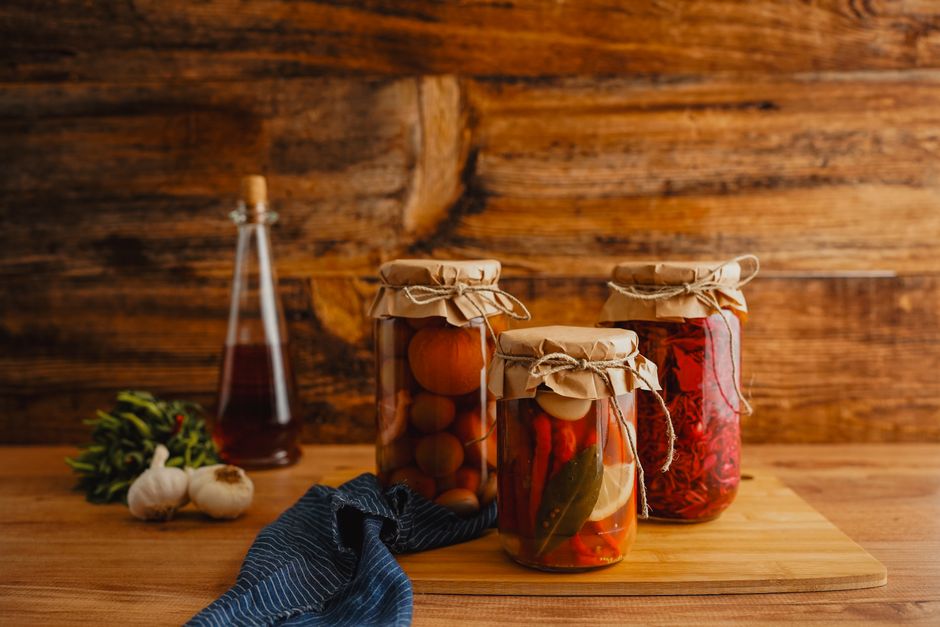
Vinegar is made from a two-step fermentation process that turns a source of sugar or starch into alcohol, then into acetic acid. The key ingredient in all vinegar is acetic acid, which gives it its sour taste and strong smell. The type of vinegar depends entirely on what you start with — apples make apple cider vinegar, grapes make wine vinegar, and rice makes rice vinegar.
What Is Vinegar Made From at Its Core?
All vinegar starts with a liquid that contains sugar or starch. That liquid can come from fruits, grains, vegetables, or even honey. The first step uses yeast to ferment those sugars into alcohol. This is the same process used to make beer or wine.
The second step uses a type of bacteria called Acetobacter. These bacteria consume the alcohol and convert it into acetic acid. When the acetic acid reaches a certain concentration, you have vinegar. This is why vinegar is sometimes called “sour wine” — because that is literally what it is.
The acetic acid content in commercial vinegar typically ranges from 4% to 8%. Most household vinegar is 5% acetic acid. The remaining 95% is mostly water plus small amounts of other compounds that give each vinegar its distinct flavor.
What Are the Main Types of Vinegar and Their Base Ingredients?
Every vinegar carries the flavor of its starting ingredient. The base material determines the color, taste, and nutritional profile.
- White vinegar — made from distilled grain alcohol (usually corn). It is clear, sharp, and the most common household vinegar.
- Apple cider vinegar — made from crushed apples. It is amber-colored with a fruity note.
- Wine vinegar — made from red or white wine. Red wine vinegar is stronger; white wine vinegar is milder.
- Balsamic vinegar — made from concentrated grape juice (often Trebbiano grapes) aged in wooden barrels.
- Rice vinegar — made from fermented rice. It is milder and slightly sweet, common in Asian cooking.
- Malt vinegar — made from barley malt that has been brewed into a beer-like liquid, then fermented again.
- Coconut vinegar — made from the sap of coconut flowers, popular in Southeast Asian cuisine.
Some vinegars are also made from dates, honey, sugarcane, or even pineapple. The principle is always the same: sugar to alcohol, alcohol to acetic acid.
Does the “Mother” Matter in Vinegar?
The “mother” is a cloudy, stringy substance sometimes seen in unfiltered vinegar. It is a combination of the Acetobacter bacteria and cellulose. Some people believe the mother is what makes vinegar “raw” or more beneficial.
The mother is not harmful. It is safe to consume and is simply a sign that the vinegar is unfiltered and unpasteurized. However, filtered and pasteurized vinegar is perfectly safe and effective for most uses. The choice between filtered and unfiltered is largely a matter of preference, not health necessity.
One clarification worth noting: the presence of the mother does not make vinegar more acidic or more effective as a cleaning agent. Acetic acid concentration is what determines strength, not the presence of the mother.





Is Distilled Vinegar Different From Regular Vinegar?
Distilled vinegar is made from grain alcohol that has been distilled before fermentation. The term “distilled” refers to the alcohol, not the vinegar itself. The resulting vinegar is clear and has a very sharp, straightforward sour taste.
White vinegar and distilled vinegar are essentially the same product. The label “distilled white vinegar” is common in the United States. It is the most affordable and versatile vinegar, used for cooking, pickling, and cleaning.
Distillation does not make the vinegar stronger. It makes the starting alcohol purer, which produces a cleaner-tasting final product. The acetic acid content is still typically 5% for household use.
How Is Vinegar Made Commercially?
Commercial vinegar production follows the same two-step process but on a large scale. The two main methods are the slow method and the quick method.
The slow method, also called the Orleans method, involves letting vinegar ferment naturally over weeks or months. The bacteria form a surface film called a “mother” on top of the liquid. This method produces a more complex flavor but takes much longer.
The quick method uses a generator that forces oxygen through the liquid to speed up bacterial action. This method can produce vinegar in days rather than months. Most commercial vinegar uses this method because it is faster and more cost-effective.
Some premium vinegars, especially balsamic, use a traditional aging process that can last years. These vinegars are more expensive because time is a major production cost.
Is Vinegar Good for Your Health?
Vinegar has been used as a folk remedy for centuries. Some claims are supported by research; many are not.
The strongest evidence relates to blood sugar control. Some studies suggest that consuming vinegar with a meal may slightly reduce the post-meal rise in blood sugar. This effect is modest and does not replace standard diabetes treatment. If you take medication for blood sugar, talk to your doctor before adding vinegar to your routine.
Vinegar is not a weight-loss miracle. Some research suggests it may increase feelings of fullness, but the effect is small. No large human trials have confirmed that vinegar produces meaningful weight loss on its own.
Claims that vinegar can cure cancer, lower blood pressure dramatically, or treat infections have no solid clinical evidence. Treat these claims with skepticism.
One area where vinegar clearly works is food preservation. The acetic acid lowers pH, which prevents the growth of harmful bacteria. This is why pickling with vinegar is a safe food preservation method when done correctly.
Are There Risks to Drinking Vinegar?
Vinegar is acidic, and drinking it undiluted can cause harm. The acetic acid can damage tooth enamel, irritate the throat, and potentially burn the esophagus.
If you choose to consume vinegar, always dilute it with water. A common approach is one to two tablespoons in a large glass of water. Never drink vinegar straight from the bottle.
People with gastroparesis, a condition where the stomach empties slowly, should be cautious. Vinegar may worsen symptoms. People with kidney disease should also consult a doctor, as the body’s ability to process acid may be impaired.
There is no official clinical guideline for daily vinegar consumption. The evidence does not support a specific dose for health purposes. If you use vinegar for cooking, that is safe for most people. If you use it as a health supplement, do so with realistic expectations and discuss it with your healthcare provider.
Can Vinegar Be Used for Cleaning Safely?
Yes, vinegar is an effective household cleaner for many surfaces. Its acidity dissolves mineral deposits, cuts through grease, and kills some bacteria.
However, vinegar is not a registered disinfectant. It does not kill all pathogens, including certain bacteria and viruses. For general cleaning, it works well. For disinfecting surfaces where food is prepared, use an EPA-registered disinfectant.
Do not mix vinegar with bleach. The combination produces chlorine gas, which is toxic. Do not use vinegar on natural stone surfaces like marble or granite, as the acid can etch the surface.
Frequently Asked Questions
Is vinegar gluten-free?
Most vinegar is gluten-free, including white vinegar, apple cider vinegar, and wine vinegar. Malt vinegar is made from barley and is not gluten-free.
Does vinegar go bad?
Vinegar does not spoil because the acid prevents bacterial growth. It may change color or develop sediment over time, but it remains safe to use indefinitely.
What is the difference between apple cider vinegar and white vinegar?
Apple cider vinegar is made from fermented apple juice and has a fruity flavor. White vinegar is made from distilled grain alcohol and has a sharper, more neutral sour taste.
Can you make vinegar at home?
Yes, you can make vinegar at home by fermenting wine, beer, or fruit juice with a vinegar mother. The process takes several weeks and requires proper conditions to avoid contamination.
