
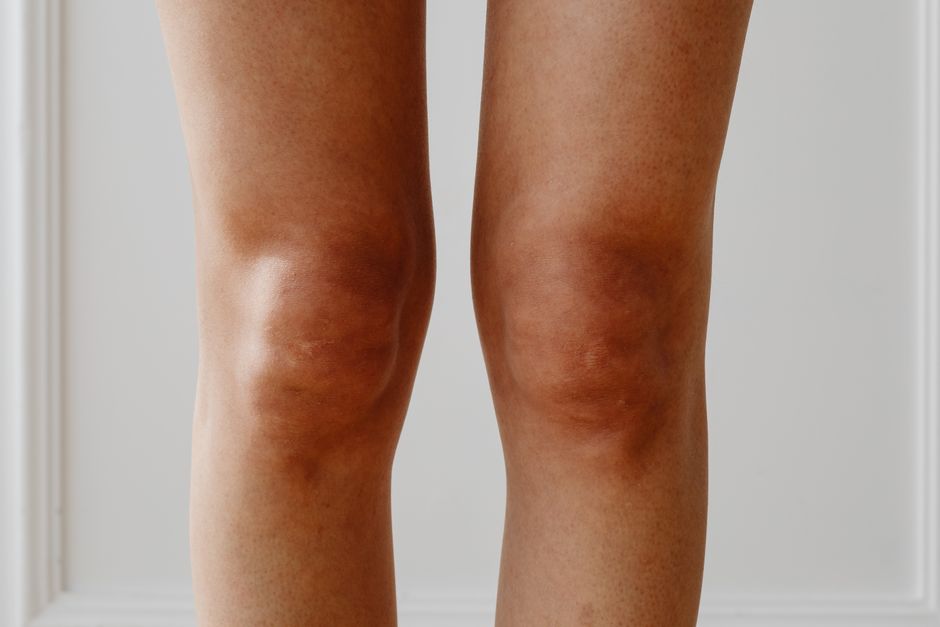
Red spots on your legs are common, and most are not a medical emergency. The cause can range from simple skin irritation to a sign of an underlying health condition. This article explains the most likely reasons for red spots on the legs, how to tell them apart, and when you should see a doctor.
Why Do I Have Red Spots On My Legs Possible Causes?
Red spots on the legs usually come from one of three systems: the skin itself, the blood vessels, or the blood. Skin conditions cause inflammation. Blood vessel issues cause blood to leak into the skin. Blood problems affect how well your blood clots. Identifying which system is involved helps narrow down the specific cause.
Common Skin Conditions That Cause Red Spots
Several common skin conditions produce red spots on the legs. These are often itchy and respond to basic skin care.
Folliculitis is an infection of the hair follicles. It looks like small red bumps, sometimes with a white head. It happens where clothing rubs or after shaving. Keeping the area clean and dry usually clears it up.
Contact dermatitis occurs when your skin touches something irritating, like poison ivy, new laundry detergent, or certain fabrics. The spots are often red, itchy, and may blister. Removing the irritant is the main treatment.
Eczema can appear on the legs as dry, red, scaly patches. It is a chronic condition that flares up and settles down. Moisturizers and avoiding triggers help manage it.
Psoriasis causes thick, red patches with a silvery scale. It is an immune system condition. It often affects the knees and shins. Prescription treatments are available from a dermatologist.
Blood Vessel Issues That Show Up as Red Spots
Some red spots come from problems with the small blood vessels near the skin surface. These are not skin conditions. They are vascular issues.
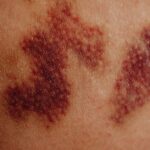
Petechiae are tiny, flat red or purple dots. They do not blanch when you press on them. They happen when small blood vessels called capillaries leak blood into the skin. Petechiae can appear after straining, from certain medications, or from a low platelet count. If they appear suddenly and in large numbers, they need medical evaluation.
Purpura is larger than petechiae. These are bigger areas of bleeding under the skin. They can be caused by aging skin, blood vessel inflammation, or blood clotting problems. Purpura that appears without injury should be checked by a doctor.
Cherry angiomas are small, bright red bumps made of blood vessels. They are very common and harmless. They tend to increase with age. No treatment is needed unless they bleed or you want them removed for cosmetic reasons.
Spider veins appear as red or blue lines close to the surface. They are common on the legs and are usually a cosmetic concern. They are not dangerous, though they can be uncomfortable in some cases.




Infections That Cause Leg Spots
Some infections cause red spots on the legs. These vary widely in seriousness.
Cellulitis is a bacterial skin infection. It causes a red, swollen, warm, and tender area that spreads quickly. It needs antibiotics. If you have a red patch on your leg that is growing and painful, seek medical care promptly.
Fungal infections like ringworm can appear on the legs. They usually form a ring-shaped red patch with clear skin in the middle. Antifungal creams treat this.
Viral infections can cause rashes on the legs. Some viral rashes are flat red spots, while others are raised. These usually resolve on their own as the virus clears.
Circulation Problems and Red Spots
Poor circulation in the legs can cause skin changes, including red spots.
Venous stasis dermatitis happens when veins in the legs do not return blood to the heart efficiently. Blood pools in the lower legs. This causes redness, swelling, and sometimes brownish discoloration around the ankles. It is more common in people with varicose veins or a history of blood clots. Elevating the legs and wearing compression stockings are standard management approaches.
If the skin breaks down, this can lead to a venous ulcer. These are open sores that are slow to heal. They require professional wound care.
Autoimmune and Systemic Conditions
Some red spots on the legs signal a condition affecting the whole body.
Vasculitis is inflammation of the blood vessels. It can cause red or purple spots, often on the lower legs. It may be accompanied by fever, joint pain, or fatigue. Vasculitis requires medical diagnosis and treatment.
Lupus can cause rashes on the legs, though it more commonly affects the face. The rash may be raised and scaly. Lupus is diagnosed with blood tests and clinical evaluation.
Sarcoidosis can cause skin lesions on the legs. These may be red or purple bumps. This condition involves clusters of inflammatory cells forming in various organs.
These conditions are less common than skin irritation or vascular issues. But they are important to consider if red spots persist or come with other symptoms.
When to See a Doctor for Red Spots on Legs
Most red spots on the legs are not dangerous. But some warning signs require prompt medical attention.
See a doctor if the spots are accompanied by:
- Fever
- Pain that gets worse
- Rapid spreading of the spots
- Blisters or open sores
- Swelling of the leg
- Shortness of breath
- Sudden appearance of many small red dots
Bleeding under the skin that appears without injury also warrants evaluation. A doctor can run blood tests to check your platelet count and clotting function.
If the spots do not go away after two weeks of basic care, or if they are getting worse, make an appointment with a dermatologist. A skin biopsy may be needed to identify the cause.
Home Care for Mild Red Spots
For mild cases that appear to be simple irritation, basic care can help.
Keep the skin clean and dry. Use a gentle, fragrance-free moisturizer. Avoid scratching, which can cause infection. Wear loose clothing that does not rub against the skin. If you suspect a new product caused the spots, stop using it.
Over-the-counter hydrocortisone cream can reduce itching from mild dermatitis. Antihistamines may help if allergies are involved. But do not use these on broken skin or for more than a few days without medical advice.
If you have diabetes or known circulation problems, do not self-treat leg spots. These conditions increase the risk of complications from minor skin issues.
Frequently Asked Questions
Are red spots on legs a sign of a blood clot?
Not usually. Blood clots typically cause swelling, pain, and warmth in one leg, not just red spots. However, a condition called superficial thrombophlebitis can cause redness along a vein and should be evaluated.
Can red spots on legs be caused by stress?
Stress can worsen some skin conditions like eczema or psoriasis, but it does not directly cause red spots. If stress triggers a flare of an existing condition, the spots may appear during stressful periods.
How long do red spots on legs last?
It depends on the cause. Irritation from contact dermatitis may clear in days. Petechiae from a minor cause may fade in one to two weeks. Chronic conditions like eczema or psoriasis last longer and require ongoing management.
Do red spots on legs mean I have an allergy?
They can. Contact dermatitis from fabrics, detergents, or plants is a common allergic cause. But many other conditions produce similar-looking spots, so allergy is not the only possibility.
