
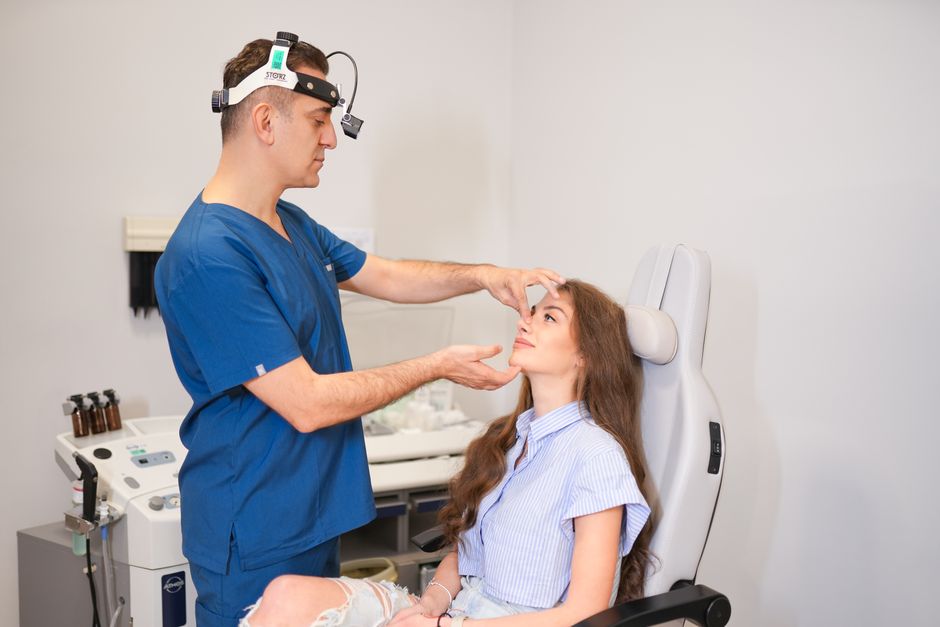
Rhinoplasty is not a quick fix. From the day of your surgery to the moment your nose reaches its final, settled shape, you are looking at a full 12 to 18 months. The procedure itself takes about 1 to 3 hours depending on complexity. But the swelling that obscures your true result takes much longer to fade than most people expect. You will see major improvement by the 6-month mark, but the final result is not fully visible until at least a year after your surgery.
How Long Does Rhinoplasty Take Procedure To Final Results?
The complete timeline from operating table to final result spans roughly 12 to 18 months. The surgery itself is the shortest part of the journey. Most rhinoplasty procedures take between 1 and 3 hours. Complex revision surgeries can take longer. The real time commitment is the recovery and swelling resolution phase, which extends far beyond the first few weeks.
You will look presentable in public after about 2 weeks. You will see a significant portion of your result at 6 months. But the nose continues to refine for a full year or more. The tip is the last area to settle because the skin there is thicker and holds swelling longer.
What Happens During the Rhinoplasty Procedure?
The surgeon makes incisions either inside the nostrils or across the columella, the strip of tissue between the nostrils. Through these openings, they reshape the bone, cartilage, and soft tissue. The goal is to change the nose’s structure while keeping it functional for breathing.
The procedure length depends on what needs to be done. A simple tip refinement might take 1 hour. A full restructuring involving the nasal bridge, tip, and breathing passages can take 2 to 3 hours. Revision rhinoplasty, which corrects a previous surgery, often takes the longest because scar tissue complicates the work.
You are under general anesthesia for the entire procedure. You will not feel or remember anything. Most patients go home the same day, though some surgeons prefer an overnight stay for monitoring.
Week by Week Recovery After Rhinoplasty
The first week is the hardest. You will wear a splint on your nose and possibly packing inside your nostrils. Swelling and bruising around the eyes peak at day 2 or 3. Most patients take 7 to 10 days off work. The splint comes off at the 1-week mark, and you will see a dramatically different nose right away — but it is not your final result.
By week 2, most bruising has faded enough to be covered with makeup. The nose still looks swollen and somewhat shapeless. This is normal. The skin needs time to redrape over the new underlying structure.
Weeks 3 through 6 bring steady improvement. The nose begins to look more defined. You can return to light exercise around week 3, but contact sports and heavy lifting wait until week 6 or later. Your surgeon will give you specific clearance based on your healing progress.


Why Does Swelling Last So Long?
Nasal skin is attached to the underlying bone and cartilage by a network of fibrous tissue. When the surgeon works beneath this skin, the tissue becomes traumatized. Fluid accumulates in this space, and that fluid is slow to drain because the area has limited lymphatic drainage.
The nasal tip has the thickest skin and the densest fibrous connections. This is why tip swelling persists the longest. Some patients notice their tip feels hard and looks slightly upturned for months. This is not the surgeon’s work failing — it is unhealed swelling obscuring the result.
Thin-skinned patients see their results faster, often by 6 months. Thick-skinned patients may need the full 18 months before the tip fully settles. Your surgeon can estimate your skin thickness during the consultation, which helps set realistic expectations.
When Do You See the Final Rhinoplasty Result?
Most surgeons agree that 12 months is the standard marker for final results. At this point, roughly 90 percent of swelling has resolved. The remaining 10 percent continues to fade slowly over the next 6 months.
Some patients are tempted to judge their result at 3 months and feel disappointed. This is a mistake. The nose at 3 months is still significantly swollen, especially in the tip area. Comparing your 3-month nose to your surgeon’s goal photos is not a fair comparison.
The 6-month mark is a more meaningful milestone. Most visible swelling is gone. Friends and family will not notice anything unusual. But you may still feel firmness in the tip, and the nose may still look slightly larger than the final intended shape.
At 12 months, the nose has reached its permanent position. The bridge, tip, and nostril shape are settled. What you see at 1 year is essentially what you will have for life, barring injury or aging changes.
Factors That Slow Down or Speed Up Final Results
Several factors influence how quickly your final result appears. None of them change the eventual outcome, but they affect your patience level during recovery.
- Skin thickness: Thick skin holds swelling longer. Thin skin reveals results faster.
- Surgical technique: Closed rhinoplasty, with incisions inside the nostrils, often causes less swelling than open rhinoplasty, which uses a small external incision.
- Bone work: If the surgeon files or breaks the nasal bones, swelling lasts longer than cartilage-only work.
- Revision surgery: Second and third surgeries produce more scar tissue, which extends the swelling timeline.
- Your body’s healing response: Some people simply swell more and heal slower. This is not predictable before surgery.
Smoking significantly impairs healing. Nicotine constricts blood vessels, reducing oxygen delivery to the surgical site. Most surgeons require you to stop smoking at least 4 weeks before and after surgery. Continuing to smoke can lead to poor wound healing and visible irregularities in the final result.
How to Support Proper Healing During the Swelling Phase
You cannot rush the healing process, but you can avoid slowing it down. Following your surgeon’s aftercare instructions is the single most important thing you can do.
Keep your head elevated above your heart for the first week, even while sleeping. This reduces fluid accumulation in the nasal tissues. Apply cold compresses around the eyes for the first 48 hours to minimize bruising. Do not apply pressure to the nose itself.
Avoid glasses for the first 4 to 6 weeks. The weight of glasses on the nasal bridge can create permanent indentations while the bone is still healing. If you need vision correction, consider contacts or tape your glasses to your forehead.
Protect your nose from any impact. Even minor bumps during the first 3 months can shift the healing bone and cartilage. This is why contact sports are off-limits for at least 6 weeks, and many surgeons recommend 3 months of caution.
Salt intake does not directly cause nasal swelling, but a high-sodium diet can contribute to overall fluid retention. Staying well-hydrated and eating a balanced diet supports normal healing. There is no special diet that speeds up results.
When to Be Concerned During Recovery
Some symptoms warrant an immediate call to your surgeon. Fever, severe pain not controlled by medication, excessive bleeding, or signs of infection such as redness and warmth spreading beyond the surgical site all require prompt attention.
Asymmetry during the first few months is common and usually not a problem. Swelling is rarely perfectly even. One side of the nose may look more swollen than the other for weeks. This usually evens out by the 6-month mark. If asymmetry persists at 12 months, discuss it with your surgeon.
A persistent blocked feeling in the nose is normal for months. The internal swelling narrows the airway temporarily. This resolves as swelling subsides. If breathing problems worsen after the first few months, your surgeon may investigate whether the surgery affected your internal nasal valves.
Frequently Asked Questions
How long does the actual rhinoplasty surgery take?
The procedure takes 1 to 3 hours depending on complexity. Revision surgeries and extensive restructuring take longer than simple tip refinements.
When can I return to work after rhinoplasty?
Most patients return to work after 7 to 10 days. The splint comes off at 1 week, and bruising is usually manageable with makeup by week 2.
How long until the nose looks normal to other people?
Most visible swelling and bruising resolves by 6 weeks. At this point, the nose looks natural to others, though you may still feel firmness and minor swelling.
Is the result at 6 months the final result?
No. At 6 months, most swelling has resolved, but the nasal tip continues to refine for up to 18 months. The final result is best judged at 12 months.
