

Low testosterone is not a mystery disease. It is a measurable condition with identifiable causes. If your levels are low, something specific is driving them down. The most common causes are aging, obesity, and chronic health conditions like type 2 diabetes. But medications, sleep problems, and testicular injuries also play a role. Understanding the exact cause matters because treatment differs depending on what is wrong.
What Counts as Low Testosterone?
Doctors diagnose low testosterone, also called hypogonadism, with a blood test. The test is usually done in the morning when levels are highest. A normal range is roughly 300 to 1000 nanograms per deciliter (ng/dL). Most guidelines consider levels below 300 ng/dL low.
But a single low number is not enough for a diagnosis. You also need symptoms. Common symptoms include low sex drive, erectile dysfunction, fatigue, loss of muscle mass, and depressed mood. If you have no symptoms, most doctors will not treat a low number alone.
Age plays a major role in what is normal. Testosterone peaks in your late teens and early twenties. After age 30, levels drop about 1 percent per year. That decline is gradual. A 60-year-old man with a level of 350 ng/dL may feel fine, while a 35-year-old with the same number may feel terrible.
Why Do I Have Low Testosterone Causes Explained
The causes split into two main categories. Primary hypogonadism means the testicles themselves are not producing enough testosterone. Secondary hypogonadism means the brain is not sending the right signals to the testicles. The pituitary gland and hypothalamus produce hormones that tell the testicles to work. If that signaling fails, testosterone production drops.
Secondary hypogonadism is far more common. Most cases in adult men come from lifestyle and health conditions rather than testicular failure. That is good news because many of those causes are reversible.
Obesity is one of the strongest drivers. Fat tissue contains an enzyme called aromatase that converts testosterone into estrogen. More body fat means more conversion and lower testosterone. Weight loss of even 5 to 10 percent can raise testosterone levels meaningfully.
How Age and Lifestyle Affect Testosterone
Aging is unavoidable, but lifestyle choices determine how fast your levels fall. Sedentary men lose testosterone faster than active men. Resistance training, particularly heavy compound lifts like squats and deadlifts, has been shown to boost testosterone at least temporarily.
Sleep is another major factor. Testosterone is released mostly during deep sleep. One well-known study found that men who slept only five hours per night for one week had testosterone levels about 10 to 15 percent lower than when they slept eight hours. Chronic sleep restriction compounds the problem.
Chronic stress also suppresses testosterone. Stress raises cortisol, and high cortisol inhibits testosterone production. This is an evolutionary response. Your body prioritizes survival over reproduction during stressful periods.
Alcohol matters too. Heavy drinking directly damages the Leydig cells in the testicles that produce testosterone. Binge drinking causes a temporary drop. Long-term alcohol abuse can cause permanent damage.




Medical Conditions That Lower Testosterone
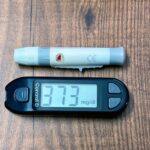
Type 2 diabetes and metabolic syndrome are strongly linked to low testosterone. Some research suggests that up to 40 percent of men with type 2 diabetes have low testosterone. The relationship goes both ways. Low testosterone increases insulin resistance, and insulin resistance lowers testosterone. It becomes a vicious cycle.
Chronic kidney disease, liver disease, and HIV can all suppress testosterone. So can inflammatory conditions like rheumatoid arthritis. Any serious chronic illness takes a toll on hormone production.
Sleep apnea deserves special attention. This condition causes breathing to stop repeatedly during sleep. It fragments sleep and causes oxygen levels to drop. Both effects suppress testosterone. Treating sleep apnea with a CPAP machine has been shown to raise testosterone levels in some men.
Thyroid disorders can also disrupt testosterone. Both an overactive and underactive thyroid can cause problems. If your testosterone is low, checking thyroid function is a reasonable step.
Medications and Treatments That Lower Testosterone
Several common medications suppress testosterone. Opioid painkillers are among the worst. They interfere with the brain signals that trigger testosterone production. Long-term opioid use frequently causes low testosterone.
Corticosteroids like prednisone can suppress testosterone when used long-term. Some antidepressants, particularly SSRIs, have been linked to lower testosterone in some studies. The evidence is mixed, but sexual side effects from these medications are well documented.
Certain prostate medications are designed to lower testosterone or block its effects. Drugs like finasteride and dutasteride treat hair loss and enlarged prostate by blocking the conversion of testosterone to DHT. They do not lower total testosterone much, but they reduce its active form.
Androgen deprivation therapy for prostate cancer intentionally lowers testosterone to near zero. This is a deliberate medical choice with known side effects.
Less Common Causes You Should Know About
Testicular injury or infection can cause primary hypogonadism. Mumps contracted after puberty can inflame the testicles and damage testosterone-producing cells. Chemotherapy and radiation to the pelvic area can also permanently reduce testosterone production.
Pituitary tumors are a rare but important cause. These tumors can disrupt hormone signaling from the brain. Head trauma can damage the pituitary gland as well. If your testosterone is low and you also have headaches, vision changes, or other hormone problems, a pituitary issue should be considered.
Klinefelter syndrome is a genetic condition where men are born with an extra X chromosome. It affects about 1 in 500 to 1 in 1000 men. Most men with this condition have small testicles and low testosterone starting in puberty.
Hemochromatosis, a condition where the body stores too much iron, can damage the testicles and pituitary gland. It is more common in men than women and often goes undiagnosed.
When to See a Doctor
See a doctor if you have persistent symptoms of low testosterone. Fatigue, low libido, erectile dysfunction, and mood changes that last more than a few weeks warrant a check. Do not assume these symptoms are just aging. They may be treatable.
Your doctor will likely order a morning testosterone test. If that comes back low, a second test is usually done to confirm. Additional blood work may check your pituitary hormones, estrogen level, and prolactin. These results help determine whether the problem is in the testicles or the brain.
Treatment depends entirely on the cause. If obesity or sleep apnea is driving your levels down, fixing those issues may restore normal testosterone without medication. If your testicles or pituitary gland are damaged, testosterone replacement therapy may be appropriate.
Testosterone replacement therapy comes in gels, injections, patches, and pellets. It is effective at raising levels and relieving symptoms. But it has risks, including increased red blood cell count and potential effects on the prostate. It also suppresses your natural testosterone production, so stopping therapy requires a recovery period.
Can You Raise Testosterone Naturally?
Yes, in many cases. Weight loss is the most effective natural intervention for men with excess body fat. One study found that men who lost significant weight through diet and exercise raised their testosterone levels substantially.
Resistance training helps, especially when combined with weight loss. High-intensity interval training also shows benefits. Aerobic exercise alone has less effect on testosterone but still improves overall health.
Sleep improvement is critical. Aim for seven to eight hours of quality sleep per night. Treating underlying sleep apnea can make a dramatic difference.
Diet matters. Severe calorie restriction lowers testosterone, so avoid crash diets. Adequate protein, healthy fats, and zinc are important for hormone production. Vitamin D deficiency has been linked to low testosterone in some studies, though supplementation results are mixed.
Supplements marketed for testosterone are mostly ineffective. Many contain ingredients that have never been tested in rigorous clinical trials. Some may even be harmful. No supplement has been proven to raise testosterone as effectively as lifestyle changes or prescription therapy.
Frequently Asked Questions
What is the most common cause of low testosterone?
Obesity and aging are the most common causes in adult men. Excess body fat converts testosterone into estrogen, and natural age-related decline compounds the problem.
Can low testosterone be reversed without medication?
Yes, when the cause is lifestyle-related. Weight loss, better sleep, and treatment of conditions like sleep apnea can restore normal levels in many men.
How long does it take to raise testosterone naturally?
Weight loss of 5 to 10 percent typically raises levels within a few months. Sleep improvements can show effects within weeks.
Does masturbation lower testosterone?
No. Research shows no significant long-term effect on testosterone levels from masturbation or sexual activity.
