
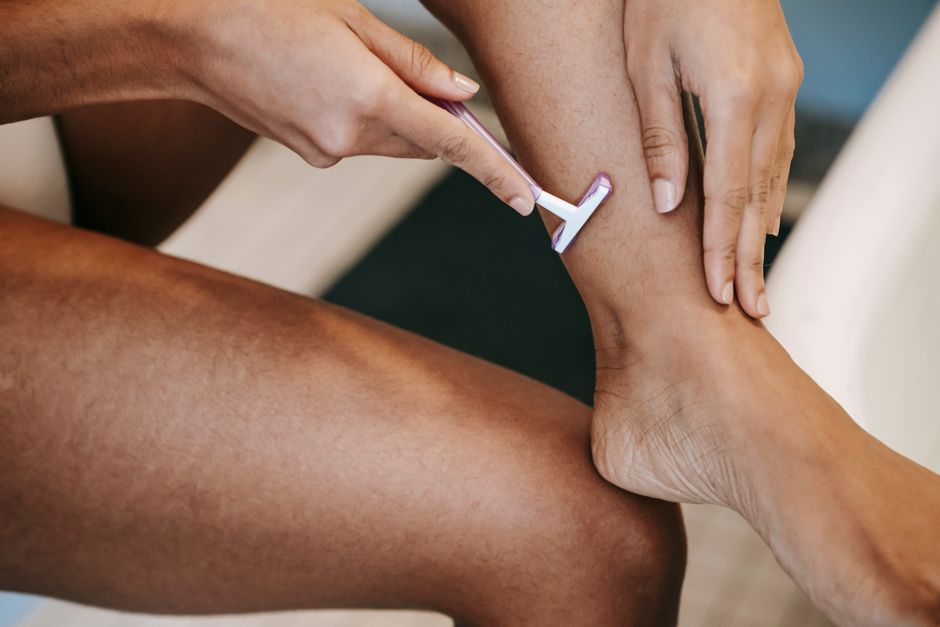
Ingrown hairs on the pubic area happen when a hair curls back into the skin or grows sideways instead of pushing up through the surface. The pubic region is one of the most common places for this because the hair there is naturally coarse and curly, and because so many people remove it. When the hair gets trapped, the skin around it becomes irritated and forms a small red or dark bump. That bump is the ingrown hair itself, not an infection — though it can become one.
This is a mechanical problem, not a hygiene problem. Understanding why the hair gets trapped explains why some people get these bumps constantly and others almost never do.
Why Do I Have Ingrown Hairs On My Pubic Area?
The short answer is that pubic hair has a shape and texture that makes it prone to growing back into the skin. Hair on the scalp is usually straighter. Pubic hair is typically thicker, coarser, and has a natural curl. When you cut it, shave it, or pull it out, the new growth has to find its way back through the skin surface. A curled hair is more likely to turn sideways and re-enter the skin instead of emerging cleanly.
There is a second factor most people never consider: the skin in the pubic area is thin and folds on itself. Hair removal creates a sharp, angled tip. As that tip grows, friction from clothing, movement, and skin-on-skin contact pushes it back toward the surface at an angle. The result is a hair that grows under the top layer of skin rather than out of it.
Anyone can get ingrown hairs, but some people are more prone:
- People with naturally coarse or curly hair
- People who shave, wax, or use depilatory creams frequently
- People who wear tight clothing that rubs the area
- People whose hair follicles are naturally closer to the skin surface
None of this is about being unclean. It is about hair structure, skin anatomy, and how the hair is removed.
Is It an Ingrown Hair or Something Else?
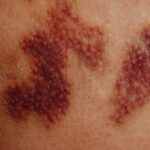
An ingrown hair usually looks like a small, raised bump that may be red, pink, or darker than the surrounding skin. It can be tender. Sometimes you can see a faint dark line or a loop of hair just under the surface. The bump often appears in clusters, especially after hair removal.
Several other conditions can look similar, and it is worth knowing the difference because the treatment is not the same.
- Folliculitis is inflammation or infection of the hair follicle. It looks like small red bumps or pus-filled spots around hair openings. It can be caused by bacteria, fungus, or irritation.
- Epidermoid cysts are firm, round lumps under the skin that may have a small dark opening. They are not ingrown hairs, though they can start from a blocked follicle.
- Molluscum contagiosum is a viral skin infection that causes small, firm, dome-shaped bumps. It is more common in children but can occur in adults, often spread through skin contact.
- Genital warts are caused by certain types of human papillomavirus (HPV). They can be flat or raised and may cluster. They do not have a hair inside them.
- Skin cancer can rarely appear in the genital area. A sore that does not heal, bleeds, or changes over weeks should be checked by a clinician.
If a bump is painful, growing, bleeding, or not improving after a couple of weeks, see a healthcare provider. Do not try to squeeze or dig it out yourself. That can push bacteria deeper and turn a minor bump into a real infection.
What Makes Ingrown Hairs More Likely?
Hair removal method matters more than most people realize. Shaving cuts hair at the surface and leaves a sharp edge. Waxing and plucking pull the hair out from the root, which means the new hair has to push through skin that may have thickened or healed over the follicle opening. Both approaches can set up an ingrown hair.
Other factors that increase the risk:
- Tight clothing. Friction pushes hair tips back into the skin.
- Dead skin buildup. When the top layer of skin does not shed normally, it can block the follicle opening.
- Curly hair texture. The tighter the curl, the more likely the hair grows sideways.
- Hormonal changes. Puberty, pregnancy, and menopause can change hair thickness and growth patterns.
- Some medications. Certain drugs, including some used for acne or hair loss, can affect hair growth. If you suspect a medication is involved, talk to your prescriber.
There is no evidence that diet causes ingrown hairs. No study has confirmed that any food or supplement prevents them.



How Do You Treat Ingrown Hairs on the Pubic Area?
Most ingrown hairs resolve on their own within a few days to a couple of weeks. The hair eventually grows out or the body clears the irritation. The main goal is to avoid making it worse.
What clinicians generally recommend:
- Stop removing hair in the area until it heals.
- Apply a warm compress for a few minutes a few times a day. This can help the hair come to the surface and reduce tenderness.
- Use a gentle exfoliant — a soft washcloth or a product containing salicylic acid or glycolic acid — to help remove dead skin. Go slowly. Scrubbing hard makes inflammation worse.
- Do not squeeze, pick, or dig at the bump. This is the single most common way people turn a minor problem into an infection.
- If the bump is painful and clearly infected — spreading redness, pus, fever — see a clinician. Prescription antibiotics or antifungal creams may be needed depending on the cause.
Some clinicians recommend topical retinoids for stubborn ingrown hairs, but this is not a universal first-line treatment and should be discussed with a healthcare provider. No over-the-counter product is proven to cure ingrown hairs. They can reduce irritation and help skin turnover, but they do not change the underlying hair structure.
If you have a single ingrown hair that will not resolve, a clinician can sometimes remove it with a sterile needle or scalpel. Do not attempt this at home.
Can You Prevent Ingrown Hairs in the Pubic Area?
You can reduce the frequency, but no method prevents them completely in someone who is prone to them. The goal is to remove hair in a way that is less likely to cause the hair to grow back into the skin.
Strategies that may help:
- Let the hair grow. The most reliable way to prevent ingrown hairs is to stop removing the hair. This is not what everyone wants to hear, but it is the most effective approach.
- Change your removal method. Some people do better with trimming rather than close shaving. Trimming leaves a longer hair that is less likely to re-enter the skin. Laser hair removal reduces hair growth over time and can reduce ingrown hairs, but it requires multiple sessions and does not work equally for all hair colors and skin types.
- Shave with the grain. If you shave, use a sharp razor and shave in the direction the hair grows. Rinse the razor between strokes. Do not stretch the skin tight while shaving — this can cut the hair below the surface and increase the chance of ingrowth.
- Exfoliate gently before and after. Removing dead skin helps keep follicle openings clear. Be consistent but gentle.
- Wear loose clothing. Less friction means less chance of pushing hair back into the skin.
- Moisturize. Keeping the skin soft and flexible may reduce the chance of hair getting trapped.
There is no evidence that any specific shaving cream, aftershave, or ingrown hair serum prevents ingrown hairs. Some products reduce irritation. None have been shown in large human trials to stop the problem from happening.
When Should You See a Doctor?
See a healthcare provider if:
- The bump is getting bigger or more painful
- You see spreading redness, warmth, or pus
- You have fever or feel unwell
- The bump has not improved after two weeks
- You have many bumps that are not responding to self-care
- You notice a sore that bleeds, crusts, or does not heal
These signs can point to an infection or another skin condition that needs specific treatment. A clinician can usually tell the difference by looking, and sometimes by taking a small sample.
Ingrown hairs are common and usually harmless. They are also stubborn. The best approach is to stop irritating the area, let it heal, and reconsider how you remove hair if you keep getting them. If something does not look or feel right, get it checked. That is not overreacting — it is the sensible move.
Frequently Asked Questions
Why do I keep getting ingrown hairs on my pubic area?
You likely have coarse or curly hair and remove it in a way that leaves a sharp tip that grows back into the skin. Friction from clothing and skin folds makes it worse.
Are ingrown hairs on the pubic area a sign of an infection?
Not usually. Most are just inflamed hair follicles. If the bump spreads, gets hot, drains pus, or you feel feverish, it may be infected and needs medical care.
Should I pop an ingrown hair on my pubic area?
No. Popping or digging at it can push bacteria deeper and cause a real infection. Use warm compresses and gentle exfoliation instead.
How long do ingrown hairs on the pubic area last?
Most clear up on their own within a few days to two weeks. If a bump is still there after two weeks or is getting worse, see a clinician.
