
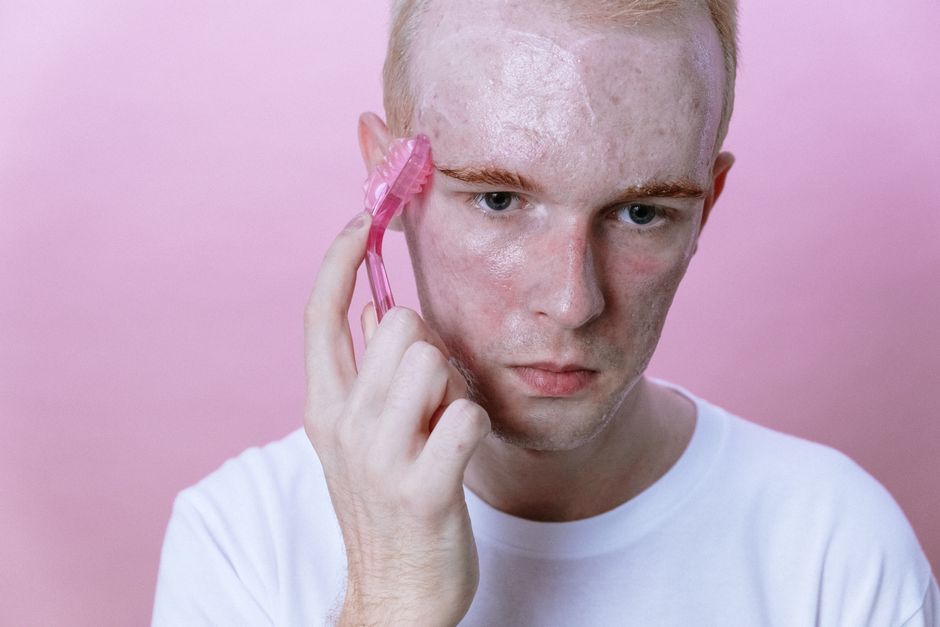
Hormonal acne is not a different type of acne — it is acne driven by changes in hormone levels, most commonly androgens like testosterone. These hormones increase oil production in your skin and cause skin cells to stick together, which clogs pores and feeds the bacteria that cause pimples. The most common triggers are the menstrual cycle, pregnancy, perimenopause, and conditions like polycystic ovary syndrome (PCOS). Treatment focuses on reducing that hormone-driven oil production and keeping pores clear, using options that range from topical creams to prescription medications, depending on severity.
What Causes Hormonal Acne?
Acne forms when hair follicles become blocked with oil and dead skin cells. Hormones influence this process directly. Androgens, which are present in both men and women, bind to receptors in the sebaceous glands and tell them to produce more sebum, the skin’s natural oil.
Higher sebum levels alone do not cause acne. The problem starts when that extra oil combines with sticky skin cells and plugs the pore. This plug creates an environment where Cutibacterium acnes, a bacteria that lives on everyone’s skin, can multiply. The body’s immune response to that bacteria causes redness, swelling, and pus — the visible pimple.
In women, estrogen and progesterone also play a role. Estrogen tends to lower sebum production, while progesterone can increase it. When estrogen drops right before menstruation, the balance shifts toward more oil, which is why many women break out in the week before their period. This pattern is so common that dermatologists often use it as a diagnostic clue for hormonal acne.
Why Do I Have Hormonal Acne And How To Treat It?
If you have persistent acne along your jawline, chin, or lower cheeks that flares up around your period, hormonal acne is the likely culprit. The same hormones that drive puberty acne can continue to affect adults, and for many people the problem persists into their 30s, 40s, and 50s.
Treatment depends on whether you are male or female. Topical treatments work for mild cases. Prescription medications are needed when acne is moderate to severe, leaves scars, or does not respond to over-the-counter products. The key is matching the treatment to the cause — if hormones are driving your acne, simply washing more or using stronger cleansers will not fix it.
Over-the-Counter Treatments That Actually Work
Start with the basics. A gentle cleanser used twice daily is the foundation, but cleansing alone does not treat hormonal acne. You need an active ingredient that targets the pore-clogging process.
Benzoyl peroxide kills the bacteria that cause acne and helps clear blocked pores. It is available in strengths from 2.5% to 10% in washes, gels, and creams. The lower strengths work as well as higher ones with less irritation.
Salicylic acid helps unclog pores by breaking down the bonds between dead skin cells. It is less irritating than benzoyl peroxide but does not kill bacteria. It works best for blackheads and whiteheads rather than deep, painful cysts.
Adapalene is a retinoid that was once prescription-only but is now available over the counter at 0.1% strength. It is the most effective OTC option for hormonal acne because it normalizes how skin cells shed, preventing the plug that starts the whole process. It takes 8 to 12 weeks to see full results, and it can cause dryness and peeling at first.
If you have tried these products consistently for three months without improvement, it is time to see a dermatologist. OTC treatments will only take you so far.

Prescription Treatments for Hormonal Acne
Dermatologists have several prescription options, and the right one depends on your situation. Some work by reducing oil production. Others target the hormones directly.
Topical retinoids like tretinoin and tazarotene are stronger versions of adapalene. They are the most effective topical treatments for acne because they address the root cause — abnormal cell shedding in the pore. They require a prescription and cause significant irritation in the first few weeks.
Topical antibiotics like clindamycin reduce the bacteria in pores. They are usually combined with benzoyl peroxide or a retinoid because using antibiotics alone leads to resistance.
Spironolactone is a pill that blocks androgen receptors in the skin. It is highly effective for hormonal acne in women and is often used off-label for this purpose. It works by reducing the skin’s response to testosterone, which lowers oil production. Most women see significant improvement within three months. It is not used in men because of side effects like breast tenderness and reduced libido.
Combined oral contraceptives are FDA-approved for acne treatment in women. They work by suppressing ovarian androgen production and increasing a protein that binds free testosterone in the blood. Three specific formulations are approved for acne, but many others are used off-label. Improvement typically takes three to six months.
Isotretinoin is the most powerful acne medication available. It shrinks the sebaceous glands and dramatically reduces oil production. It is reserved for severe, scarring, or treatment-resistant acne because of its side effect profile, which includes dry skin, elevated triglycerides, and a risk of birth defects if taken during pregnancy. It requires monthly monitoring through a program called iPLEDGE.
Hormonal Acne in Men
Men face a different situation. The same anti-androgen medications used in women are not appropriate for men because they block testosterone, which causes feminizing side effects. Spironolactone is not used in men for acne. Hormonal contraceptives obviously do not apply.
Men with hormonal acne rely on topical retinoids, benzoyl peroxide, and oral antibiotics for flares. Isotretinoin is the most effective option for severe cases. Some research suggests that testosterone levels in men with acne are not necessarily higher than in men without acne — the skin may simply be more sensitive to normal levels of androgens.
If a man develops sudden, severe acne in adulthood, it is worth checking for an underlying cause. Testosterone supplementation, anabolic steroid use, or a medical condition affecting hormone production can all trigger acne. A doctor can evaluate whether this is a factor.
Lifestyle Factors That Make Hormonal Acne Worse
Hormones are not the only factor. Several everyday habits can amplify the problem, even if they did not cause it.
Diet has a modest but real effect. Research consistently shows that high-glycemic diets — foods that spike blood sugar quickly, like white bread, sugary drinks, and processed snacks — are associated with more acne. Dairy, particularly skim milk, has also been linked to acne in several studies, though the evidence is not as strong. The mechanism is likely related to insulin and insulin-like growth factor, which can increase androgen activity.
Stress triggers the release of cortisol, which can increase oil production. This is not the root cause of hormonal acne, but it can make it worse. Managing stress through sleep, exercise, or other methods may help, though it will not cure acne on its own.
Skin care habits matter more than most people realize. Over-washing, harsh scrubs, and alcohol-based toners strip the skin and damage its barrier. This leads to more irritation, more oil production, and worse acne. Use a gentle cleanser, moisturize daily, and avoid picking or squeezing pimples, which increases inflammation and scarring risk.
When to See a Dermatologist
See a dermatologist if your acne is painful, deep, scarring, or not responding to three months of consistent OTC treatment. Also see one if acne is affecting your mental health or quality of life. Acne is treatable, and waiting does not help.
For women, sudden severe acne, acne along with irregular periods, excess facial hair, or unexplained weight gain warrants a medical evaluation. These symptoms can indicate PCOS or another hormone disorder that needs its own treatment. A dermatologist or gynecologist can order the appropriate blood tests.
Treatment for hormonal acne takes time. Topical treatments need at least eight weeks. Spironolactone and birth control pills need three to six months. Isotretinoin typically runs for five to six months. The most common reason treatments fail is stopping too early. Be patient, follow the plan, and give it time to work.
Frequently Asked Questions
Can hormonal acne be cured permanently?
There is no permanent cure, but it can be controlled effectively with ongoing treatment. Many people need continuous maintenance therapy to keep their skin clear.
How long does spironolactone take to work for acne?
Most women see noticeable improvement within three months of starting spironolactone. Full results typically appear by six months.
Does hormonal acne go away after pregnancy?
It varies by person. Some women’s acne clears during pregnancy due to higher estrogen levels, while others experience worsening acne. Post-pregnancy, hormone levels shift again, and acne often changes as well.
Is hormonal acne caused by poor hygiene?
No. Hormonal acne is caused by hormone-driven oil production and skin cell buildup inside the pore. Washing more frequently does not treat it and can actually worsen irritation.
