
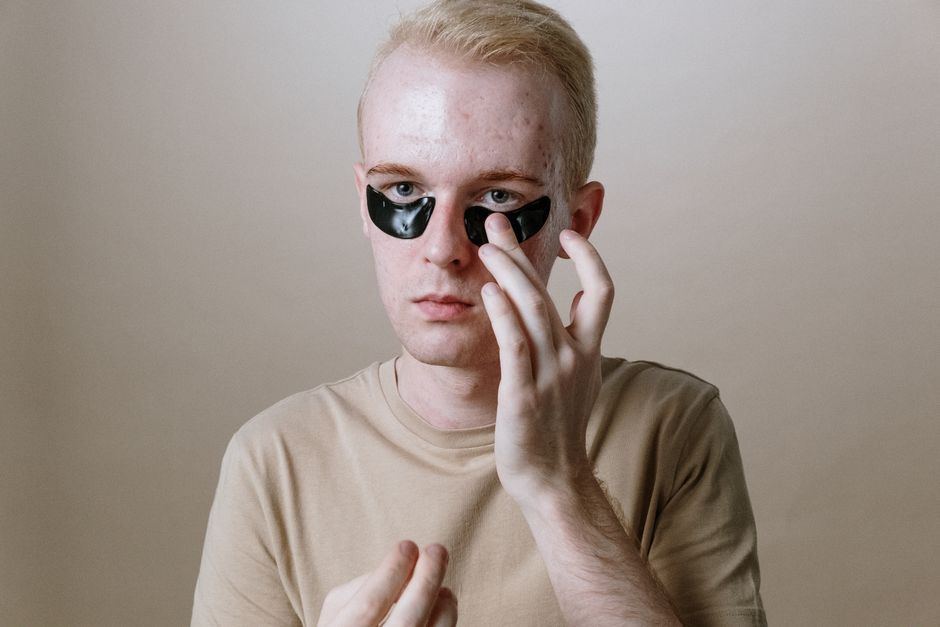
Cystic acne on your chin is the deep, painful kind of acne that forms under the skin. It happens when oil and dead skin cells clog a hair follicle and the wall of that follicle bursts, causing inflammation deep in the dermis. The treatments that actually work are prescription retinoids, benzoyl peroxide, and for stubborn cases, oral medications like spironolactone or isotretinoin. Over-the-counter spot treatments rarely penetrate deep enough to fix a true cyst, which is why seeing a dermatologist is often the fastest path to clear skin.
Why Do Cysts Form Specifically On The Chin?
The chin and jawline are the most common places for cystic acne in adults, especially women. Hormones are the main driver. Androgens, which are male sex hormones present in everyone, stimulate the sebaceous glands to produce more oil. That extra oil mixes with dead skin cells and clogs the pore.
In the chin area specifically, the skin has more androgen receptors. This means the oil glands there are more sensitive to hormonal fluctuations. For women, these fluctuations happen during the menstrual cycle, pregnancy, and perimenopause. This is not a hygiene problem. Washing your face more will not fix a hormonal cyst.
Unlike a whitehead or blackhead, a cyst is a closed pocket under the skin. The contents cannot reach the surface easily. This is why they feel like hard, tender lumps that never seem to “come to a head.” The inflammation is deep, and the skin over it is thick.
What Is The First Line Treatment For A Single Cyst?
For a single, isolated cyst that just appeared, a high-strength benzoyl peroxide wash or gel is the standard first step. Benzoyl peroxide kills the bacteria that contribute to acne and helps clear the pore. It is one of the few over-the-counter ingredients proven to work for inflammatory acne.
You can also apply a warm compress for 10 to 15 minutes, three times a day. The warmth increases blood flow to the area, which can help the body resolve the inflammation faster. It does not draw the cyst out, but it can reduce pain and speed up healing.
Do not pop or squeeze a cyst. Squeezing pushes the infection deeper into the skin. This makes the inflammation worse and significantly increases the risk of scarring. A dermatologist can inject a cyst with a diluted corticosteroid. This injection reduces inflammation within 24 to 48 hours and is the most effective way to shrink a single painful cyst quickly.
What Prescription Medications Work Best?
If you get cysts regularly, you need a daily treatment plan, not just spot treatment. Topical retinoids are the foundation of this plan. Tretinoin, adapalene, and tazarotene are vitamin A derivatives that normalize skin cell turnover. They prevent the pore from getting clogged in the first place.
These are not overnight fixes. It takes 8 to 12 weeks of consistent use to see significant improvement. They also cause dryness and peeling in the first few weeks. You must use sunscreen daily because retinoids make your skin more sensitive to the sun.
For women with hormonal chin acne, spironolactone is often the most effective option. This oral medication blocks androgens from binding to the oil glands. It reduces oil production systemically. Many women see dramatic clearing of chin and jawline acne within 3 to 6 months. It requires a prescription and regular blood tests to monitor potassium levels.
Isotretinoin, formerly known as Accutane, is the most powerful acne medication available. It is reserved for severe, scarring, or treatment-resistant cystic acne. It shrinks the oil glands permanently in most people. It has significant side effects, including dry skin, joint pain, and potential birth defects, so it requires strict monitoring and a pregnancy prevention program for women.




Does Diet Affect Chin Cysts?
The link between diet and acne is real but not as simple as social media suggests. High glycemic index foods, like white bread, sugary drinks, and processed snacks, cause a rapid spike in blood sugar. This spike triggers insulin and insulin-like growth factor, which can increase oil production and inflammation.
Some research suggests that dairy, particularly skim milk, is associated with acne. The exact mechanism is not fully understood, but it may be related to hormones naturally present in milk. The evidence is not strong enough to say dairy causes cystic acne in everyone, but if you have persistent chin acne, a trial period of reducing dairy for 8 to 12 weeks is reasonable.
The evidence for chocolate causing acne is mixed. Dark chocolate with high cocoa content may have an effect in some people, but this is not consistently proven. No diet change alone will cure severe cystic acne. Diet is a supporting factor, not a primary treatment.
When Should You See A Dermatologist?
You should see a dermatologist if you have more than a few cysts a month, if cysts are leaving scars, or if over-the-counter benzoyl peroxide has not helped after 6 to 8 weeks. Persistent chin acne is a medical condition, not a cosmetic issue.
Early treatment is important because it prevents scarring. Deep cysts can leave permanent indentations in the skin. A dermatologist can also rule out other conditions that look like cystic acne, such as hidradenitis suppurativa, which requires a different treatment approach.
If you are pregnant or trying to become pregnant, tell your doctor before starting any treatment. Many acne medications, including spironolactone and isotretinoin, are not safe during pregnancy. Topical retinoids are also avoided during pregnancy. Benzoyl peroxide and azelaic acid are generally considered safer options, but you should confirm this with your doctor.
What Skincare Routine Helps Prevent New Cysts?
A simple, consistent routine is more effective than a complex one with many products. Wash your face twice a day with a gentle cleanser. Use a non-comedogenic moisturizer, meaning it does not clog pores. This is essential even if your skin is oily. When skin is dry, it produces more oil to compensate.
Use a benzoyl peroxide wash or gel daily, but start with a lower concentration like 2.5% or 5% to minimize irritation. Apply it to the entire chin and jawline, not just active spots. This prevents new cysts from forming in areas that are prone to them.
Do not scrub your face. Physical exfoliation irritates the skin and worsens inflammation. Avoid picking at your skin entirely. Every time you touch a cyst, you increase the risk of infection and scarring.
How To Treat Cystic Acne On Your Chin What Works — A Summary
For a quick answer: benzoyl peroxide for immediate action, a prescription retinoid for prevention, and spironolactone for hormonal cases in women. These are the treatments with the strongest clinical evidence.
Spot treatments with salicylic acid are not effective for true cysts. The ingredient does not penetrate deep enough to reach the inflammation. It works well for blackheads and whiteheads but not for deep, nodular lesions.
Steroid injections are the fastest way to flatten a single cyst, but they are not a long-term solution. Oral antibiotics are sometimes prescribed, but they are not recommended for long-term use due to antibiotic resistance. They are a temporary bridge while topical treatments take effect.
The most important thing to know is that treating cystic acne takes time. Topical medications require at least 8 weeks to show noticeable results. Oral medications can take up to 6 months for full effect. Consistency matters more than intensity. Using a treatment for two weeks and giving up because it did not work is the most common reason people do not improve.
Frequently Asked Questions
Can toothpaste get rid of a cystic pimple?
No. Toothpaste can irritate and burn the skin, making inflammation worse. Use benzoyl peroxide or see a doctor for a steroid injection instead.
How long does a chin cyst take to go away?
Without treatment, a cyst can last for weeks or even months. With a steroid injection, it can flatten in 24 to 48 hours.
Is cystic acne on the chin hormonal?
In most adults, yes. The chin and jawline have more androgen receptors, making this area highly responsive to hormonal fluctuations.
Does ice help cystic acne?
Ice can reduce pain and swelling temporarily, but it does not treat the underlying blockage. It is a comfort measure, not a cure.
