
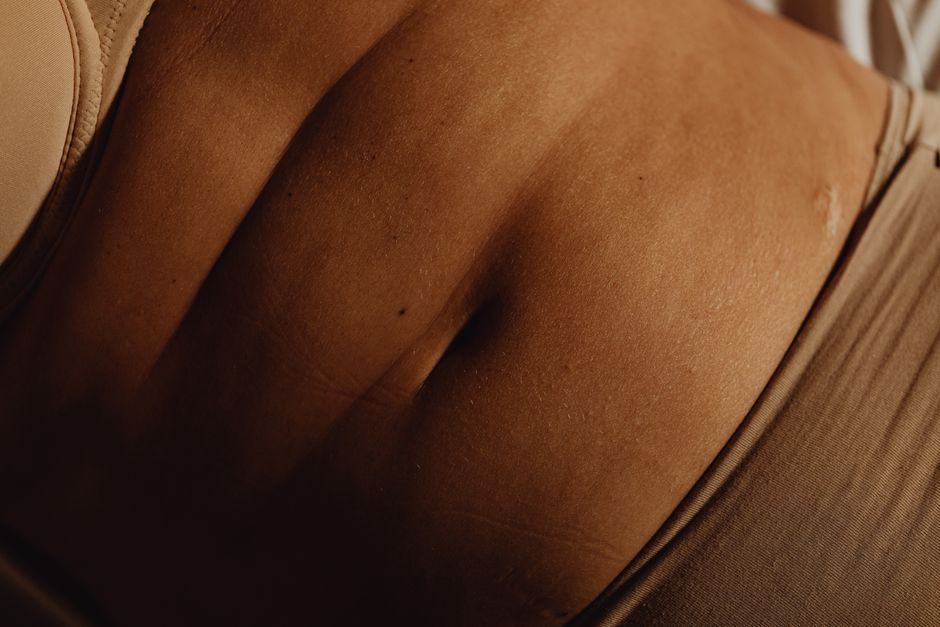
You are not imagining it. The lower belly is often the last place fat leaves and the first place it settles. For many people, this stubborn pocket of fat feels like it ignores every diet and workout. The real reasons are a mix of biology, hormones, age, and everyday habits. Understanding what is actually happening under the skin is the first step to making peace with your body and knowing what change is realistic.
What Causes Fat to Collect in the Lower Belly?
Fat distribution is not random. Your body decides where to store fat based on genetics, hormones, and your sex. For people assigned female at birth, estrogen encourages fat storage in the hips, thighs, and lower abdomen. This is a normal, healthy pattern that supports reproductive function. For people assigned male at birth, testosterone tends to direct fat to the upper belly and waist.
The lower belly also has a higher concentration of fat cells that are more resistant to breakdown. Blood flow to this area is lower than to other fat deposits. That means the fat here is slower to release its stored energy when you are in a calorie deficit. It is not that the fat is different in kind. It is that the body is more protective of it.
Stress hormones play a role too. Cortisol, the body’s main stress hormone, can promote fat storage in the abdominal area. Chronic stress keeps cortisol levels elevated, which can encourage the body to hold onto belly fat even when overall weight is stable.
Is It Belly Fat or Is It Bloating?
Many people mistake bloating for fat. Bloating is temporary. It comes from gas, water retention, or the physical volume of food in your digestive tract. Fat is permanent until you lose it. Bloating can change hour to hour. Fat does not.
If your lower belly is soft, changes size during the day, and feels tight after meals, bloating is likely part of the picture. Common triggers include carbonated drinks, chewing gum, eating too fast, and certain vegetables that produce gas during digestion. Food intolerances can also cause bloating. Lactose and gluten are frequent culprits, but they are not problems for everyone.
Water retention can also mimic fat. High sodium intake, dehydration, and hormonal shifts can cause your body to hold extra fluid. This is especially noticeable around the midsection. Unlike fat, this puffiness can reduce within a day or two of better hydration and lower sodium intake.
How Age and Hormones Change Your Lower Belly
Age changes where your body stores fat. As people get older, muscle mass tends to decline. Less muscle means a slower resting metabolism. If you eat the same number of calories at 45 as you did at 30, your body will store more of them as fat.
For women, the transition into menopause brings a notable shift. Estrogen levels drop, and the body tends to redistribute fat from the hips and thighs to the abdomen. This is a well-documented pattern in research. The fat that moves to the belly during and after menopause is often visceral fat, which sits deep inside the abdomen around the organs. This type of fat is more metabolically active and carries higher health risks than subcutaneous fat, the softer fat just under the skin.
For men, testosterone levels decline gradually with age. Lower testosterone is associated with increased abdominal fat. This creates a cycle because excess abdominal fat can further lower testosterone. The result is a slow, steady increase in belly fat for many men in their 40s and 50s.





Does Posture Make Your Lower Belly Look Bigger?
Posture can change how your lower belly looks without changing how much fat is there. An anterior pelvic tilt is a common postural pattern where the front of the pelvis drops and the lower back arches more than neutral. This pushes the lower belly forward, making it appear larger even if your body fat percentage is healthy.
Sitting for long hours weakens the glutes and abdominal muscles while tightening the hip flexors. This muscle imbalance encourages the pelvis to tilt forward. Improving posture through strength training and stretching can visibly change the shape of your lower belly. It does not remove fat, but it changes the frame that the fat sits on.
Standing with a neutral pelvis and engaged core muscles can make a meaningful difference in how your midsection looks in clothing and in photos. This is not a trick. It is anatomy.
Why Do I Have a Fat Lower Belly Even When I Am Thin?
It is possible to have a flat upper stomach and a rounded lower belly. This is often genetics. Some people simply carry their fat in the lower abdominal area. If you are at a healthy body weight and your lower belly still protrudes, this is usually a normal variation of body shape.
A small amount of lower belly fat is normal and healthy. This fat provides cushioning and energy reserves. For women, it is part of the body’s reproductive system. The uterus and ovaries sit in the lower pelvis, and the fat there protects them. Chasing a completely flat lower belly is often chasing something that is not biologically realistic.
If the lower belly feels hard rather than soft, that is different. A firm, distended lower abdomen could indicate an underlying issue such as an ovarian cyst, uterine fibroids, or other pelvic conditions. If you feel a firm mass or the area is painful, see a doctor. This is not something to manage with diet alone.
What Actually Reduces Lower Belly Fat?
Spot reduction is a myth. You cannot target fat loss from one area of your body. When you lose weight, your body decides where the fat comes from. For many people, the lower belly is the last place fat leaves. This is frustrating, but it is normal.
The only reliable way to reduce lower belly fat is to reduce overall body fat. This requires a sustained calorie deficit. You need to burn more energy than you take in. There is no food, tea, or supplement that removes belly fat specifically. Be wary of any product that claims to do so. No credible evidence supports these claims.
Strength training is important. Building muscle increases your resting metabolic rate, which means you burn more calories at rest. It also changes how your body looks as you lose fat. A stronger core can improve posture and make your midsection appear leaner. Exercises like planks, deadlifts, and squats are effective, but they work by building muscle and supporting overall fat loss. They do not selectively burn lower belly fat.
Cardiovascular exercise helps create the calorie deficit needed for fat loss. Walking, running, cycling, and swimming all work. The best exercise is the one you will do consistently. Consistency over years matters more than intensity in a single week.
How Fast Can You Lose Lower Belly Fat?
There is no specific timeline for losing lower belly fat. It depends on your starting body fat percentage, your calorie deficit, your genetics, and your age. A safe and sustainable rate of weight loss is generally about one to two pounds per week. At this rate, fat loss is more likely to be fat rather than muscle.
People who are already at a healthy weight will lose lower belly fat more slowly than people with more weight to lose. This is because the calorie deficit needed to lose the last few pounds is smaller relative to your total energy needs. Your body also becomes more resistant to fat loss as you get leaner. This is a biological survival mechanism, not a personal failure.
Hormonal changes during menopause can slow fat loss from the abdomen. This does not mean it is impossible. It means the same approach that worked at 30 may need to be adjusted at 50. A smaller calorie deficit, more protein, and consistent strength training become more important with age.
When Should You See a Doctor About Lower Belly Fat?
Lower belly fat itself is not a medical emergency. But the type of fat you carry matters. Visceral fat, the fat deep inside the abdomen, is linked to higher risks of heart disease, type 2 diabetes, and metabolic syndrome. Waist circumference is a simple screening tool. For women, a waist measurement above 35 inches is considered elevated risk. For men, it is above 40 inches.
If your waist measurement is in this range, talk to your doctor about metabolic screening. Blood pressure, fasting glucose, and cholesterol tests can give a clearer picture of your health. These numbers matter more than how your belly looks in the mirror.
See a doctor sooner if your lower belly is painful, hard, or growing rapidly without weight gain elsewhere. These symptoms could point to something other than fat. A doctor can evaluate for conditions like ovarian cysts, uterine fibroids, or hernias. Do not assume it is just fat if your body is telling you something is off.
Frequently Asked Questions
Why is my lower belly fat so hard to lose?
Blood flow to lower belly fat is lower than to other fat stores, which makes it slower to release stored energy. Genetics also determine where your body loses fat last, and for many people that is the lower belly.
Can I target lower belly fat with specific exercises?
No. Spot reduction is not supported by evidence. Exercise builds muscle and burns calories, but your body decides which fat stores to use for energy.
Does bloating make my lower belly look bigger than it is?
Yes. Bloating from gas, water retention, or food volume can add visible temporary fullness. This can change hour to hour, unlike fat which stays constant.
Is a little lower belly fat normal?
Yes. A small amount of lower belly fat is a normal part of human anatomy. For women, it protects the reproductive organs and is influenced by hormones.
