
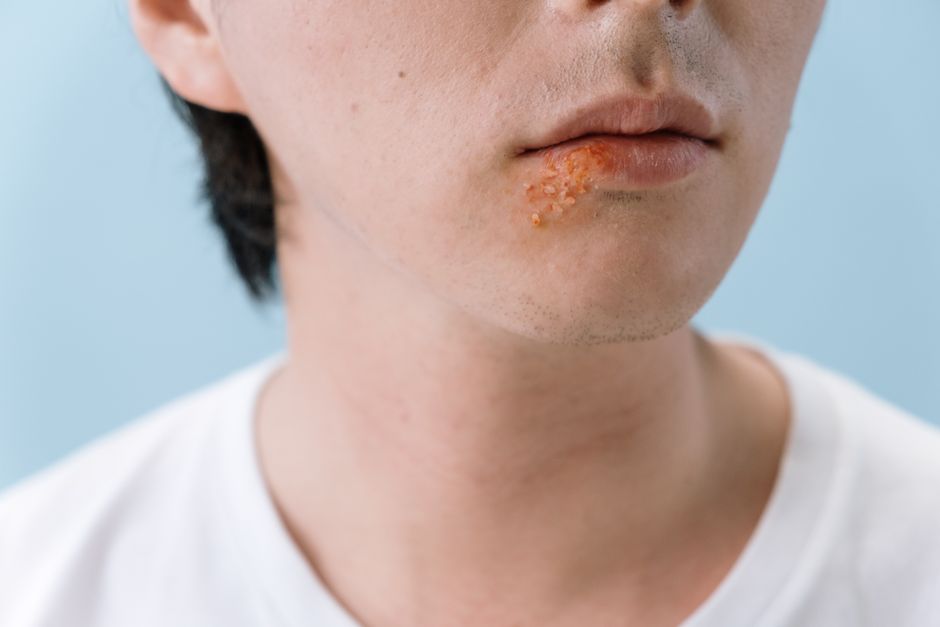
Cold sores keep coming back because the herpes simplex virus that causes them never fully leaves your body. After the first infection, the virus travels to nerve cells near your face and stays dormant there. Certain triggers wake it up, and when it wakes up, you get another cold sore. The good news is that most triggers are manageable, and treatments exist to shorten each outbreak.
What Causes Cold Sores in the First Place?
Cold sores are caused by the herpes simplex virus type 1, or HSV-1. Most people get this virus during childhood, often from a kiss from an infected adult. Once you have it, you have it for life.
The virus enters through small breaks in the skin or through the moist lining of the mouth. It then travels up nerve pathways and settles in a cluster of nerve cells called a ganglion, usually near the ear or jaw. This is where the virus stays hidden between outbreaks.
Your immune system keeps the dormant virus in check most of the time. When your immune system is stressed or distracted, the virus can reactivate. It travels back down the nerve to your skin, where it creates the familiar blister.
Not everyone who carries HSV-1 gets frequent cold sores. Some people carry the virus and never have an outbreak. Others get one or two a year. A smaller group gets them monthly. The difference comes down to your personal triggers and how reactive your immune system is to the virus.
Why Do I Get So Many Cold Sores Causes Fixes
Frequent outbreaks usually mean you are being exposed to triggers often. The most common triggers are well documented in medical research. Identifying yours is the first step to reducing outbreak frequency.
Stress is one of the strongest triggers. When you are under physical or emotional stress, your body produces cortisol and other hormones that suppress immune activity. This gives the dormant virus a window to reactivate. Many people notice cold sores appear during exams, job pressure, or family conflict.
Illness is another major trigger. A cold, the flu, or any infection that raises your body temperature can wake the virus. This is why cold sores often appear right after you recover from being sick. The name “cold sore” comes from this connection, not from being out in cold weather.
Sun exposure is a well-established trigger. Ultraviolet light from the sun suppresses local immune responses in the skin around the lips. This allows the virus to reactivate. People who spend time outdoors without lip protection often notice outbreaks after sun exposure.
Hormonal changes matter too. Many women report more outbreaks during their menstrual period. The exact mechanism is not fully understood, but estrogen and progesterone fluctuations appear to influence viral reactivation.
Fatigue and poor sleep lower immune function in measurable ways. Even one night of poor sleep can reduce the activity of natural killer cells, which are part of your immune system’s first line of defense against viruses.
Physical irritation of the lip area can also trigger an outbreak. Dental work, lip injections, or even aggressive lip exfoliation can cause the virus to reactivate at the site of irritation.
How Long Does a Cold Sore Last and What Are the Stages?
A typical cold sore runs its course in 8 to 12 days. The first sign is usually a tingling, itching, or burning sensation on the lip. This is called the prodrome phase, and it happens about 24 hours before the blister appears.
After the tingling, a small cluster of fluid-filled blisters forms. This is the most contagious stage. The blisters then burst and leave shallow open sores. This stage is painful and highly contagious. Finally, a crust or scab forms over the sore. The scab cracks and may bleed, but it eventually falls off, revealing new skin underneath.
You are contagious from the first tingle until the scab completely falls off. This is a longer window than many people realize. The virus can spread even when you cannot see a sore yet.
Antiviral medications work best when started during the tingling phase. Once the blister appears, treatment is less effective at shortening the outbreak, though it can still help reduce pain and healing time.




What Treatments Actually Work for Cold Sores?
Over-the-counter creams containing docosanol are approved for treating cold sores. When applied at the first sign of tingling, they can shorten healing time by about half a day to a full day. They are safe and widely available.
Prescription antiviral medications are more effective. Acyclovir, valacyclovir, and famciclovir are the standard options. These drugs stop the virus from replicating. When taken at the first sign of an outbreak, they can shorten healing time by one to two days.
For people with frequent outbreaks, doctors sometimes recommend suppressive therapy. This means taking a low dose of an antiviral medication every day, regardless of whether you have an active sore. Studies show this approach can reduce outbreak frequency by 70 to 80 percent in people who have six or more outbreaks per year.
Suppressive therapy is a decision you should make with a doctor. It requires a prescription and ongoing use. Some people only need it for a season of high stress. Others use it for years.
Cold compresses and over-the-counter pain relievers can help with discomfort. Keeping the area moist with petroleum jelly prevents painful cracking of the scab. There is no evidence that any particular diet or supplement prevents cold sores, despite what some marketing claims suggest.
How Can You Prevent Frequent Outbreaks?
Prevention starts with knowing your triggers. Keep a simple diary for a few months. Note when each cold sore appears and what was happening in the days before. Within a few outbreaks, patterns usually become clear.
If stress is your trigger, stress management is your prevention. This does not mean eliminating stress entirely. It means building in recovery time. Regular exercise, adequate sleep, and time away from work all help your immune system stay strong.
If sun is your trigger, use lip balm with SPF 30 or higher every day. Reapply it throughout the day, especially if you are outdoors. This is one of the easiest and most effective prevention strategies available.
If illness triggers your outbreaks, focus on general immune health. Hand washing, staying current on vaccines, and avoiding close contact with sick people reduce your exposure to the respiratory infections that often precede outbreaks.
If you notice outbreaks after dental work or cosmetic procedures on your lips, talk to your dentist or provider. Some clinicians recommend a preventive dose of antiviral medication before these procedures for people with a history of frequent outbreaks. This is a common practice, though the evidence base for it is limited.
When Should You See a Doctor?
Most cold sores do not require medical attention. They heal on their own within two weeks. But some situations warrant a doctor’s visit.
See a doctor if outbreaks happen more than six times per year. This frequency qualifies you as a candidate for suppressive therapy. You should also see a doctor if a cold sore lasts longer than two weeks, spreads to other parts of your body, or becomes infected with bacteria.
Cold sores near the eyes are a medical concern. The herpes virus can cause serious eye damage if it infects the cornea. If you feel tingling or see a sore developing near your eye, seek medical care promptly.
People with weakened immune systems should take cold sores more seriously. This includes people undergoing chemotherapy, organ transplant recipients, and people with uncontrolled HIV. For these individuals, the virus can spread beyond the lips and cause more serious illness.
If you are pregnant and have frequent outbreaks, discuss this with your obstetrician. Cold sores on the face are generally not a risk to a developing baby. However, a first-time genital herpes infection during pregnancy is a different situation with different risks. Be clear with your doctor about where your outbreaks occur.
Can You Ever Stop Getting Cold Sores Completely?
No treatment currently eliminates HSV-1 from the body. Once you are infected, the virus remains in your nerve cells permanently. This is true of all herpes viruses.
Research into therapeutic vaccines is ongoing. These vaccines would train the immune system to control the virus more effectively, potentially reducing or eliminating outbreaks. Some candidates have shown promise in early trials, but none is approved for use yet.
What you can do is reduce outbreak frequency and severity. Most people who identify their triggers and manage them well see a significant drop in how often they get cold sores. Combining trigger management with early treatment at the first tingle gives you the best chance of a short, mild outbreak.
The virus is frustrating, but it is manageable. Millions of people live with HSV-1 and have found a routine that works for them. With attention to your personal triggers and a conversation with your doctor about treatment options, you can do the same.
Frequently Asked Questions
Can toothpaste stop a cold sore from forming?
No clinical evidence supports this popular home remedy. Toothpaste may dry the blister, but it can also irritate the skin and delay healing.
Are cold sores contagious before the blister appears?
Yes, the virus can spread during the tingling phase before any visible sore forms. You are contagious from the first tingle until the scab completely falls off.
Can I get a cold sore from sharing a drink or lip balm?
Yes, HSV-1 spreads through direct contact with saliva or skin that carries the virus. Sharing drinks, utensils, lip balm, or kissing an infected person can transmit it.
Does taking lysine supplements prevent cold sores?
The evidence is mixed and not strong enough to recommend it. Some small studies suggest a possible benefit, but larger, well-designed trials have not confirmed that lysine prevents outbreaks.
