
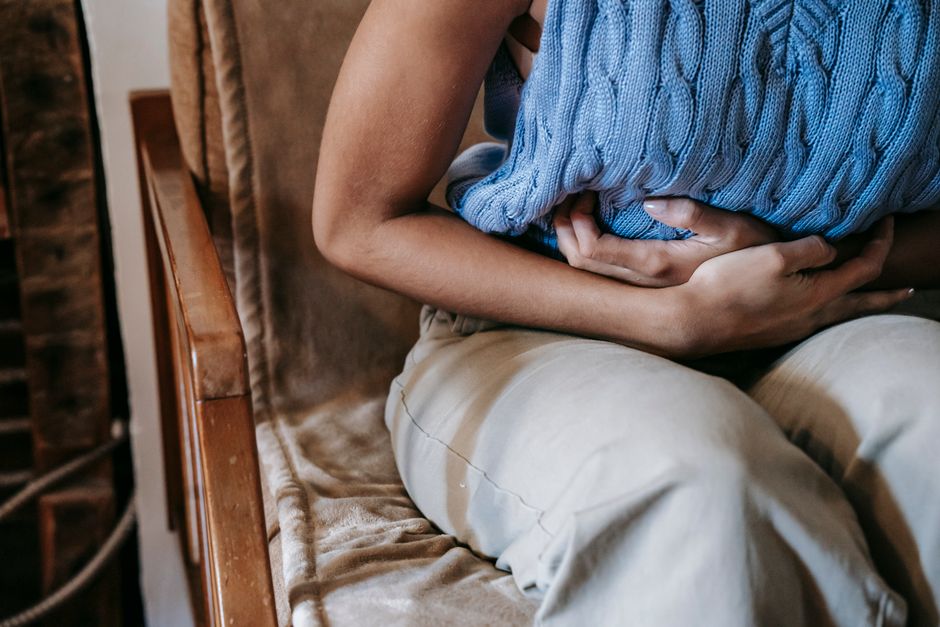
That heavy, swollen feeling in your belly before and during your period is real, and it is not your imagination. It is driven mostly by shifting hormones — specifically a drop in progesterone and a rise in estrogen — that cause your body to retain water and shift fluid into the tissues of your abdomen. Most people notice it in the days leading up to bleeding, and it usually eases once flow is underway.
What Actually Causes Period Bloating?
Bloating before a period is a hormonal event, not a digestive accident. In the second half of the menstrual cycle, progesterone rises. Progesterone relaxes smooth muscle, including the muscle in the walls of the intestines. When those muscles slow down, digestion slows with them. Gas and stool move more sluggishly, and the abdomen feels full and tight.
At the same time, estrogen and progesterone influence how the kidneys handle sodium and water. These hormones affect the renin-angiotensin-aldosterone system, the same system that controls blood pressure and fluid balance. When aldosterone activity rises, the kidneys hold onto sodium. Where sodium goes, water follows. That extra fluid collects in the tissues, including the wall of the abdomen.
Then progesterone falls just before your period starts. That drop is part of what triggers the whole premenstrual cluster of symptoms — bloating, breast tenderness, mood shifts, headaches. The bloating is one piece of a coordinated hormonal event, not a separate problem.
This is why period bloating often shows up alongside other premenstrual symptoms rather than on its own. If your belly feels swollen but nothing else changes, the cause may be something other than your cycle.
Why Do I Get So Bloated on My Period Even When I Eat Well?
Diet matters, but it does not override hormones. You can eat clean, drink water, and still feel bloated, because the fluid shift is being driven by hormonal signaling, not by anything you ate.
That said, certain foods can make an existing problem worse. High-sodium meals pull more water into the tissues. Refined carbohydrates can cause rapid shifts in blood sugar and fluid. Carbonated drinks add gas directly to the gut. For some people, dairy or specific fermentable carbohydrates (the kind in beans, onions, and some fruits) add gas on top of the hormonal slowdown.
Foods high in potassium can help counter sodium retention. Bananas, potatoes, spinach, and beans are common sources. This is general nutrition guidance, not a treatment for premenstrual bloating specifically.
Caffeine and alcohol are worth watching. Both can affect fluid balance and gut motility, and both are commonly reported as triggers, though the evidence linking them directly to premenstrual bloating is not strong.
Is It Bloating or Is It Something Else?
Bloating that follows a predictable pattern tied to your cycle is usually hormonal. Bloating that does not follow that pattern deserves a closer look.
Here is a rough way to tell them apart:
- Cyclical bloating: shows up in the same phase of your cycle each month, eases with your period, and comes with other premenstrual symptoms.
- Digestive bloating: tied to specific foods, worse after meals, sometimes linked to bowel changes.
- Persistent or worsening bloating: present most days, not tied to your cycle, or getting worse over weeks or months.
That third category is the one that needs medical attention. Persistent bloating that does not relate to your cycle, especially with pelvic pain, changes in bowel habits, or unexplained weight change, should be evaluated by a clinician. This is not to alarm you. Most bloating is benign. But bloating that breaks its usual pattern is worth checking.




What Helps With Period Bloating?
The most reliable approaches target the fluid and the gut slowdown together. None of them will make bloating vanish entirely, but several are supported by reasonable evidence.
Reduce sodium. Cutting back on salt in the days before your period can reduce how much water your body holds. This is one of the more consistent findings in premenstrual symptom research.
Stay hydrated. Drinking water sounds counterintuitive when you feel swollen, but restricting fluids can push your body to retain more. Adequate water intake supports normal kidney function.
Move your body. Light activity — walking, stretching, gentle yoga — supports gut motility and circulation. It will not reverse the hormonal shift, but it can reduce how heavy the feeling is.
Consider magnesium. Some studies suggest magnesium may reduce premenstrual symptoms, including bloating. The evidence is not conclusive, and it varies by formulation and dose. If you are considering a supplement, talk to a clinician first, especially if you take other medications or have kidney problems.
Heat. A warm compress on the abdomen can ease the discomfort of a tight, swollen belly. This is comfort care, not a fix for the underlying fluid shift.
What does not have strong evidence: detoxes, “hormone-balancing” teas, and most over-the-counter bloating products marketed specifically for periods. No large human trials confirm these work for cyclical bloating.
Does Birth Control Help With Period Bloating?
For some people, yes. Hormonal birth control can reduce the cyclical hormone swings that drive bloating, because it flattens the natural rise and fall of estrogen and progesterone. If bloating is part of a broader premenstrual pattern, a clinician may consider hormonal contraception as one option.
This is not a guarantee. Responses vary widely. Some people find their bloating improves on hormonal birth control. Others find it stays the same or gets worse, particularly in the first few months of use. This is a decision to make with a clinician who knows your history, not something to self-manage.
The same caution applies to any prescription approach for premenstrual symptoms. What works for one person may not work for another, and the evidence for any single treatment is rarely strong enough to call it a universal answer.
When Should You See a Doctor About Bloating?
See a clinician if bloating is severe enough to disrupt your daily life, if it does not ease after your period ends, or if it comes with any of the following:
- Pelvic or abdominal pain that is new or getting worse
- Changes in bowel habits that last more than a few weeks
- Unexplained weight loss or weight gain
- Bloating that is constant rather than cyclical
- Swelling in your legs or feet
These signs do not mean something is seriously wrong. They mean the pattern does not fit typical premenstrual bloating, and a proper evaluation is the right next step. Premenstrual bloating is common and usually harmless. Persistent bloating is a different question, and it deserves a real answer.
How Long Does Period Bloating Usually Last?
For most people, bloating builds in the days before bleeding starts and eases within the first day or two of the period. The exact timing varies from person to person and can shift from cycle to cycle.
If your bloating routinely lasts through your entire period or well beyond it, that is a pattern worth mentioning to a clinician. It does not automatically mean something is wrong, but it is not the typical pattern either.
Frequently Asked Questions
Why do I get so bloated on my period?
Hormonal shifts — mainly a rise in progesterone and changes in estrogen — cause your body to retain water and slow down digestion. That combination produces the swollen, heavy feeling in your abdomen.
How long does period bloating last?
It usually starts a few days before your period and eases within the first day or two of bleeding. If it lasts much longer than that, it is worth mentioning to a doctor.
Does drinking water help with period bloating?
Yes, adequate hydration supports normal kidney function and can reduce fluid retention. Cutting back on fluids tends to make the body hold onto more water, not less.
Can birth control stop period bloating?
It can reduce it for some people by flattening hormone swings, but responses vary. Some people notice no change or feel worse, so this is a decision to make with a clinician.
