
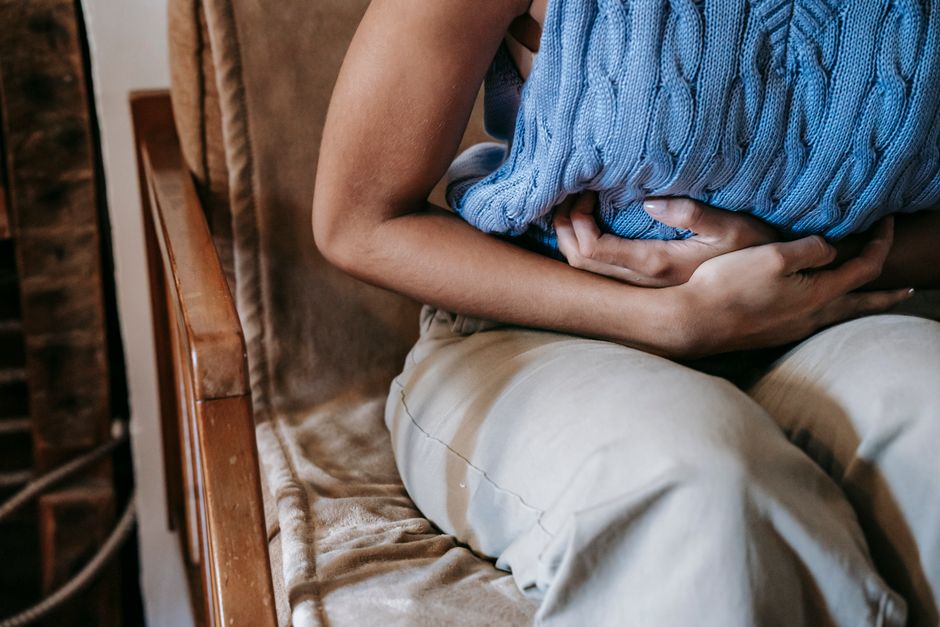
Yes, being on your period can make you bloated. Bloating is one of the most common symptoms reported in the days before and during menstruation, and it has a clear hormonal explanation. It is not imaginary, it is not caused by “toxins,” and it usually follows a predictable pattern that eases once your period is underway.
The short version: shifting levels of estrogen and progesterone change how your body handles fluid and how your gut moves, and both of those changes can leave your belly feeling full, tight, or swollen. Here is what is actually happening, what helps, and what the evidence does and does not support.
Does being on your period make you bloated?
Bloating is a well-documented symptom of the menstrual cycle, and it typically peaks in the days just before bleeding begins rather than during the heaviest days of the period itself. Many people notice it starting in the second half of the cycle — the luteal phase — and feel relief within a day or two of their period starting.
That timing matters. If you feel bloated specifically in the days before your period and it lifts once bleeding starts, that pattern is consistent with a hormonal cause. Bloating that is constant, unrelated to your cycle, or getting worse over months is a different situation and worth discussing with a clinician.
It helps to separate two things people lump together under “bloating.” One is water retention — actual fluid shifting into tissues, which can make you feel puffy. The other is gas and gut sluggishness — a feeling of fullness and pressure in the abdomen. Both can happen around your period, but they have somewhat different causes and respond to different things.
What causes period bloating?
The main driver is the hormonal shift across your cycle, particularly the rise and fall of progesterone and estrogen in the luteal phase. These hormones influence fluid balance and the muscular movement of your digestive tract.
Progesterone rises after ovulation. It relaxes smooth muscle, and your gut is made of smooth muscle. That relaxation can slow the movement of food and gas through the intestines, which can lead to a sense of fullness, pressure, and gas. This is a well-established effect of progesterone on the digestive tract.
At the same time, estrogen and progesterone interact with the systems that regulate sodium and water balance in your body. Fluctuations in these hormones can promote temporary fluid retention. This is why some people notice puffiness in the belly, breasts, hands, or face in the days before their period.
There is also a less obvious contributor: changes in the gut microbiome across the menstrual cycle. Some research suggests the composition and activity of gut bacteria can shift with hormonal changes, which may influence gas production and bloating. This area is still being studied and the findings are not yet strong enough to build specific recommendations on.
One clarification worth making: period bloating is not caused by your body “holding onto toxins” or by a “backed-up” system that needs cleansing. That framing is marketing, not physiology. The fluid shifts and gut changes are normal responses to normal hormones.
Why does bloating often start before your period and ease during it?
The timing comes down to when hormones peak and fall. Progesterone is highest in the middle of the luteal phase, then drops sharply in the days before bleeding begins. Estrogen also falls around the same time.
Many people feel the most bloated in the several days before their period — when progesterone has been elevated and is now dropping — and then feel relief once bleeding starts and hormone levels settle into the lower, more stable range of the early follicular phase. The fluid shifts reverse, gut motility tends to normalize, and the pressure eases.
This is why tracking your symptoms against your cycle is genuinely useful. If your bloating reliably clusters in the same window each month and resolves on a similar timeline, that pattern itself is informative. It tells you the cause is likely cyclical and hormonal rather than something you ate or a digestive condition that needs separate investigation.





What helps with period bloating?
No single remedy works for everyone, and the evidence for most approaches is modest rather than strong. That said, a few strategies have reasonable support and low risk.
- Reduce sodium. High-salt foods can worsen fluid retention, and cutting back in the days before your period is a sensible, low-risk step. This rests on well-established physiology around sodium and water balance.
- Stay active. Light to moderate movement — walking, swimming, gentle cycling — can help with gut motility and general symptom relief. Some studies suggest exercise reduces menstrual symptoms overall, though the evidence specific to bloating is limited.
- Eat regular, fiber-containing meals. Sudden large changes in fiber intake can actually make gas worse, so consistency matters more than loading up.
- Watch carbonated drinks and very salty processed foods in your premenstrual window if you notice they make things worse.
Some clinicians recommend calcium or magnesium supplements for premenstrual symptoms generally, and some research supports a role for calcium in reducing premenstrual symptom severity. The evidence specific to bloating as an isolated symptom is weaker. If you are considering supplements, particularly at higher doses, talk to a clinician or pharmacist first — supplements are not risk-free and can interact with medications.
Diuretics are sometimes used for premenstrual fluid retention, but they should not be self-prescribed. They carry real risks, including electrolyte imbalances, and are not appropriate for routine bloating without medical guidance.
When is bloating not just your period?
Cyclical bloating that comes and goes with your period is common and generally not a cause for concern. Bloating that does not follow that pattern deserves a closer look.
See a clinician if bloating is persistent rather than cyclical, is accompanied by significant pain, changes in bowel habits that last for weeks, unexplained weight change, or if it is new and getting steadily worse. These can be signs of conditions unrelated to menstruation — including digestive disorders such as irritable bowel syndrome, which is common and often overlaps with menstrual symptoms — and they warrant proper evaluation rather than being attributed to hormones by default.
This distinction matters because it is easy to dismiss ongoing digestive symptoms as “just period stuff.” If bloating is not tracking with your cycle, the hormonal explanation does not fit, and it is worth ruling out other causes with a clinician.
Does birth control affect period bloating?
Hormonal birth control can change cycle-related bloating, but the effect varies by person and by method. Combined hormonal contraceptives generally suppress ovulation and flatten the hormonal swings of the natural cycle, which for some people reduces cyclical bloating. For others, starting a new method can cause temporary bloating or fluid changes as the body adjusts.
The evidence here is mixed and individual responses differ. There is no reliable way to predict how a given person will respond. If you notice a clear change in bloating after starting, stopping, or switching hormonal contraception, that is worth mentioning to your prescriber — but it is not a reason to stop or start a method without medical advice.
Frequently Asked Questions
How long does period bloating last?
For most people it builds over the several days before bleeding starts and eases within the first day or two of the period. If bloating lasts well beyond your period or never resolves, that pattern is not typical and is worth discussing with a clinician.
Does period bloating mean you gained weight?
No. The puffiness is usually temporary fluid retention, not fat gain, and it typically resolves on its own. Body weight can fluctuate by a few pounds across the cycle because of fluid shifts alone.
What foods help with period bloating?
Foods lower in salt and consistent in fiber tend to help most, and staying hydrated supports normal fluid balance. No single food has been shown to reliably relieve period bloating.
Can you prevent period bloating?
You cannot fully prevent it because it is driven by normal hormonal shifts, but reducing sodium and staying active in your premenstrual window may lessen it. There is no proven way to eliminate cyclical bloating entirely.
