
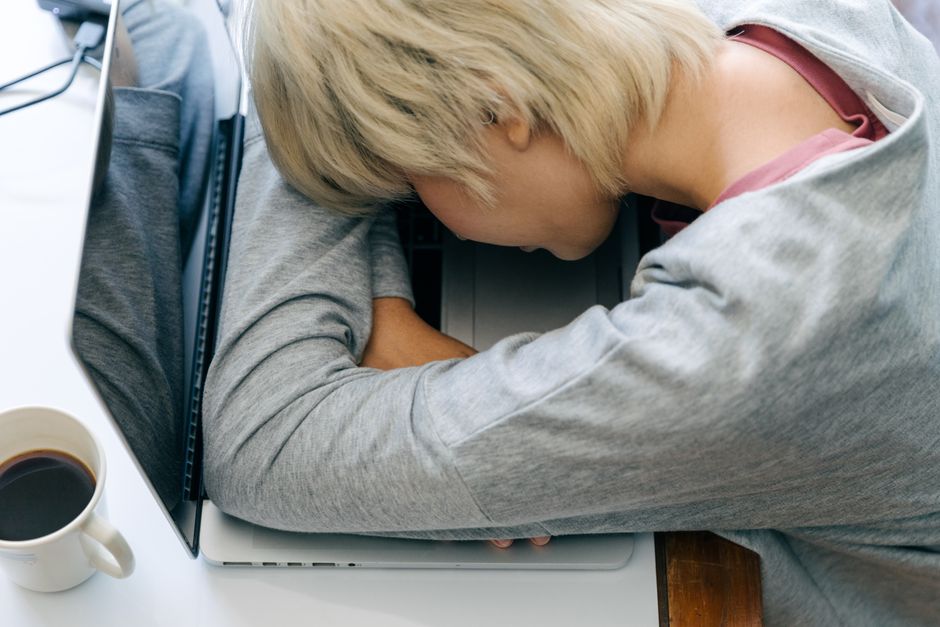
Feeling wiped out after a workout is common, and it usually comes down to how your body uses energy and recovers. Exercise depletes your muscles’ fuel stores, raises your core temperature, and triggers hormonal shifts that can promote fatigue. For most people, this post-exercise sleepiness is a normal biological response that fades within an hour or two as your body cools down and replenishes its energy.
Why Do I Get Sleepy After Working Out
Your body treats exercise as a demand for immediate energy. To meet that demand, it burns through glycogen, the stored form of glucose in your muscles and liver. When those stores run low, your brain registers an energy deficit, which can translate into a feeling of tiredness.
Exercise also raises your core body temperature. After you stop moving, your body works to cool itself down. This cooling process, along with the natural drop in heart rate and blood pressure, signals your nervous system to shift from a state of high alert to one of rest. That transition is a major reason you feel drowsy shortly after finishing a session.
Another factor is the release of adenosine, a chemical that builds up in the brain during prolonged physical activity. Adenosine promotes sleep pressure, and as its levels rise during exercise, you may feel an increasing urge to rest once you stop moving.
What Happens Physiologically During Exercise
During a workout, your sympathetic nervous system keeps you in a heightened state. Your heart beats faster, your breathing quickens, and blood flow is redirected toward working muscles. This is the “fight or flight” response in action, and it is essential for performance.
When you finish, your parasympathetic nervous system takes over. This is the “rest and digest” branch of your nervous system. It slows your heart rate, lowers your blood pressure, and directs blood flow back toward your digestive organs. This rapid shift in nervous system activity is one of the clearest reasons you feel sleepy after exercise.
Hormones also play a role. Cortisol and adrenaline rise during exercise to help mobilize energy. Afterward, these levels fall, and the drop can leave you feeling drained. At the same time, exercise stimulates the release of endorphins, which can produce a sense of calm that some people experience as drowsiness.
How Long Does Post-Workout Fatigue Last
For most people, the sleepy feeling passes within 30 to 60 minutes after exercise ends. This is your body’s normal recovery window. During this time, your heart rate returns to baseline, your core temperature drops, and your energy systems begin to replenish.
If you feel exhausted for hours after a workout, or if the fatigue lasts into the next day, that points to something beyond normal post-exercise drowsiness. Persistent fatigue after exercise can indicate inadequate recovery, poor sleep quality, insufficient nutrition, or overtraining. It can also be a sign of an underlying health condition, so it is worth paying attention to the pattern.
The intensity and duration of your workout matter. A short, moderate walk is less likely to leave you sleepy than a long, high-intensity interval session. Longer workouts deplete more glycogen and generate more heat, both of which contribute to greater post-exercise fatigue.





Nutrition and Hydration Before and After Exercise
What you eat before a workout affects how you feel afterward. If you exercise in a fasted state or after a long gap since your last meal, your glycogen stores may be lower to begin with. That means you finish your workout with less fuel in reserve, which can amplify the tired feeling afterward.
Eating a meal or snack that includes carbohydrates and protein within a couple of hours after exercise helps your body replenish glycogen and begin muscle repair. Carbohydrates restock energy stores, while protein provides the building blocks for muscle recovery. A simple example is a turkey sandwich on whole grain bread or Greek yogurt with fruit.
Dehydration is another common cause of post-workout sleepiness. When you sweat, you lose water and electrolytes. Even mild dehydration can make you feel lethargic and mentally foggy. Drinking water before, during, and after exercise helps maintain normal blood volume and keeps your body’s cooling system working properly.
There is no single formula for how much to eat or drink that works for everyone. Body weight, workout intensity, and sweat rate all influence your needs. The practical approach is to eat a balanced meal within two hours after exercise and to drink enough water so that your urine is light yellow within a few hours of finishing.
Sleep Quality and Your Workout Timing
Your overall sleep habits influence how you feel after exercise. If you are already sleep-deprived, a workout will add physical stress to an exhausted system, and the resulting fatigue will hit harder. Regular exercise actually improves sleep quality over time, but the immediate effect of a single session on an under-rested body can be pronounced drowsiness.
Workout timing also matters. Exercising in the late evening can interfere with falling asleep for some people because the rise in core temperature and adrenaline takes time to subside. For others, evening exercise helps them sleep better because it relieves stress and tires the body.
There is no universal rule about the best time to work out. The most reliable approach is to exercise at a time that fits your schedule and to observe how your body responds. If evening workouts leave you too wired to sleep, move them earlier. If morning workouts leave you drained for the rest of the day, consider a lighter intensity or a post-workout snack.
When Post-Workout Sleepiness Signals a Problem
Feeling sleepy after every workout is not necessarily a red flag, but certain patterns deserve attention. If you feel faint, dizzy, or nauseous along with the sleepiness, that could indicate low blood sugar, dehydration, or heat exhaustion. These symptoms warrant stopping exercise and resting, and they should not be ignored.
If the fatigue is severe enough that you cannot function normally for hours after a moderate workout, or if you feel exhausted even after light exercise, it is worth discussing with a clinician. Conditions such as anemia, thyroid disorders, chronic fatigue syndrome, and certain heart conditions can make exercise recovery unusually difficult.
Another warning sign is a pattern where exercise consistently leaves you feeling worse, not better, over a period of weeks. This can indicate overtraining syndrome, a state where your body cannot recover adequately between sessions. Overtraining is more common in athletes but can happen to anyone who pushes too hard without enough rest.
Pay attention to whether the sleepiness improves with basic recovery measures. If eating a proper post-workout meal, drinking enough water, and getting a good night of sleep do not reduce the fatigue, that is a stronger signal that something else is going on.
Practical Tips to Reduce Post-Workout Sleepiness
Simple adjustments can reduce how sleepy you feel after exercise. These strategies are based on established recovery principles, not marketing claims.
- Warm down properly. A gradual cool-down, such as walking for five to ten minutes after intense exercise, helps your heart rate and blood pressure return to baseline more smoothly.
- Eat within two hours. A meal with carbohydrates and protein helps replenish glycogen and supports muscle recovery.
- Rehydrate consistently. Sip water throughout your workout and after you finish, not just when you feel thirsty.
- Match intensity to your energy. On days when you are already tired, a lighter workout may serve you better than pushing through at full intensity.
- Keep a consistent sleep schedule. Regular sleep helps your body recover from exercise more efficiently over time.
These approaches do not eliminate normal post-exercise fatigue. They help your body move through the recovery process more smoothly, which can shorten the window of sleepiness.
Does Exercise Cause Fatigue or Give You Energy
Regular exercise is well established to improve overall energy levels over time. People who exercise consistently report feeling more energetic during the day and sleeping better at night. This long-term effect is real and supported by research.
The immediate effect of a single workout is different. Right after exercise, your body is in a recovery state, and feeling tired is a normal part of that process. The energy boost you feel from regular exercise comes from the cumulative improvements in cardiovascular fitness, muscle efficiency, and sleep quality, not from the minutes immediately following a session.
Understanding this distinction matters. If you expect to feel energized the moment you finish a workout, the natural drowsiness that follows can seem like a problem. It is not. It is a sign that your body is doing what it should — shifting into recovery mode after physical work.
Frequently Asked Questions
Is it normal to feel sleepy after working out?
Yes, feeling sleepy after a workout is normal for most people. It happens because your body depletes energy stores, raises core temperature, and shifts from a heightened state to a resting state after exercise.
How long does post-workout fatigue usually last?
Post-workout sleepiness typically passes within 30 to 60 minutes. If fatigue lasts for hours or into the next day, it may indicate inadequate recovery, poor nutrition, or an underlying health condition.
What should I eat after a workout to avoid feeling tired?
A meal with carbohydrates and protein within two hours after exercise helps replenish energy stores and supports muscle recovery. Examples include a turkey sandwich, Greek yogurt with fruit, or a smoothie with milk and banana.
Can dehydration cause sleepiness after exercise?
Yes, dehydration can make you feel lethargic and sleepy after a workout. Drinking water before, during, and after exercise helps maintain normal blood volume and supports your body’s cooling system.
