
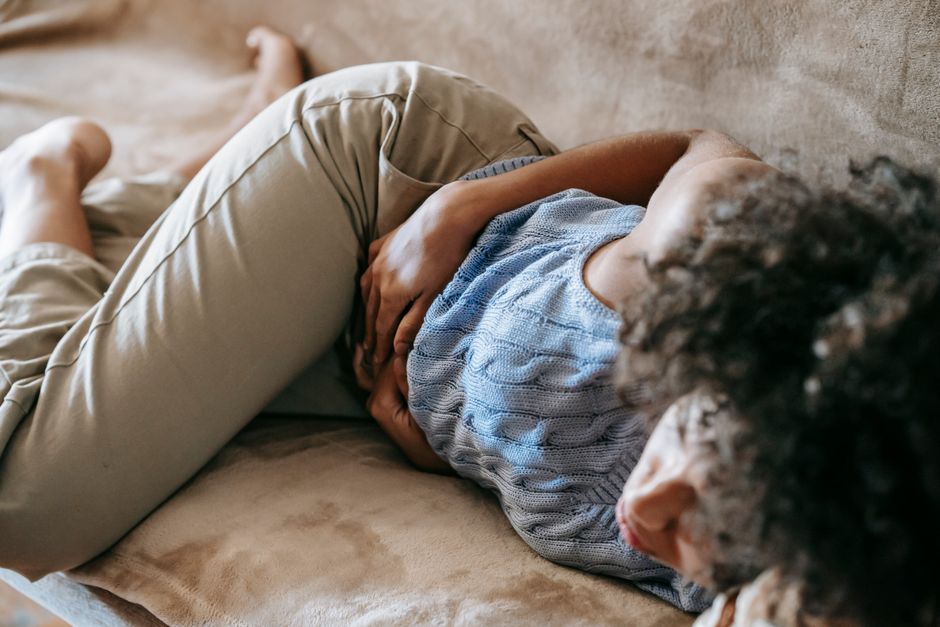
Yes, fibroids can cause pain during ovulation, though it is not the most common cause of mid-cycle pain. Fibroids are non-cancerous growths in the uterus, and their location plays a major role in whether they create pain when an egg is released. If you feel a sharp or dull ache around day 14 of your cycle, a fibroid pressing on surrounding tissue could be the reason.
What Exactly Happens During Ovulation?
Ovulation occurs when a mature egg is released from an ovary. This usually happens about halfway through your menstrual cycle. The ovary releases the egg, and it travels down the fallopian tube toward the uterus.
Some women feel a brief pain on one side of the lower abdomen during this process. This is called mittelschmerz, a German word meaning “middle pain.” It can feel like a sharp cramp or a dull ache. It typically lasts anywhere from a few minutes to a few hours.
The pain comes from the follicle stretching before it ruptures. Blood or fluid released with the egg can also irritate the lining of the abdominal cavity. This irritation is what causes the discomfort.
How Fibroids Can Interfere With Ovulation Pain
Fibroids grow in different parts of the uterus. Some grow inside the uterine cavity, some grow in the muscular wall, and others grow on the outer surface. The ones most likely to cause pain during ovulation are subserosal fibroids, which grow outward from the uterus.
When a fibroid sits near an ovary or a fallopian tube, it can change the way you feel ovulation. The fibroid itself does not release hormones or affect the egg directly. But it can press on nearby structures. This pressure can make normal ovulation pain feel stronger or last longer than it otherwise would.
Large fibroids can also distort the shape of the pelvis. This distortion may pull on ligaments and tissue that connect the uterus to the ovaries. When the ovary releases an egg, that movement can stretch already-tight tissue and cause more noticeable pain.
The Difference Between Fibroid Pain and Normal Ovulation Pain
Normal ovulation pain is usually brief and mild. It comes and goes within a day. It rarely requires pain medication or interferes with daily activities.
Fibroid-related pain tends to be different. It may feel heavier or more constant. It can radiate to the lower back or down the legs. Some women describe it as a deep pressure rather than a sharp twinge.
Timing also matters. Ovulation pain from mittelschmerz follows a predictable pattern each month. If your pain is more intense on one side, lasts several days, or comes with other symptoms like heavy bleeding, fibroids are worth investigating.


Can Fibroids Block the Fallopian Tubes or Affect Fertility?
Fibroids can sometimes interfere with fertility, but this depends on their size and position. Submucosal fibroids, which grow into the uterine cavity, are the ones most linked to difficulty conceiving. They can change the shape of the uterus and affect implantation.
Fibroids near the fallopian tubes can potentially block the opening where the egg enters. This is uncommon but possible. If a fibroid presses on the tube, it may make it harder for the egg and sperm to meet.
Most women with fibroids have no fertility problems at all. The connection between fibroids and infertility is real but not universal. If you are trying to conceive and have fibroids, a fertility specialist can assess whether the location of your fibroids is likely to cause issues.
Other Causes of Ovulation Pain That Are Not Fibroids
Fibroids are not the only reason you might feel pain mid-cycle. Several other conditions can cause similar symptoms.
- Ovarian cysts — A cyst that is growing or rupturing can cause sharp pain on one side.
- Endometriosis — This condition causes uterine-like tissue to grow outside the uterus. It can cause pain during ovulation and throughout the cycle.
- Pelvic inflammatory disease — An infection in the reproductive organs can cause pain that worsens around ovulation.
- Appendicitis — This causes pain on the lower right side and can sometimes be confused with ovulation pain.
- Constipation or irritable bowel syndrome — Digestive issues can cause pain that overlaps with the timing of ovulation.
If your pain is severe, sudden, or accompanied by fever, nausea, or fainting, seek medical attention. These symptoms are not typical of fibroids or normal ovulation.
Can Fibroids Cause Pain During Ovulation and Other Symptoms?
Many women with fibroids have no symptoms at all. When symptoms do occur, they vary widely. Pain during ovulation is just one possible symptom.
Other common symptoms include heavy menstrual bleeding, periods that last longer than a week, pelvic pressure or fullness, and pain during sex. Some women also experience frequent urination or difficulty emptying their bladder. This happens when a large fibroid presses on the bladder.
Back pain and leg pain can also occur. Fibroids can press on nerves in the pelvic area, causing pain that travels down the back of the legs. This is not dangerous, but it can be uncomfortable.
How Doctors Diagnose Fibroids as the Cause of Ovulation Pain
If you suspect fibroids are causing your pain, a doctor can help confirm it. The first step is usually a pelvic exam. During this exam, the doctor can often feel fibroids if they are large enough.
An ultrasound is the most common imaging test used to see fibroids. It uses sound waves to create a picture of the uterus and ovaries. This can show the size, number, and location of any fibroids.
In some cases, an MRI may be recommended. This provides a more detailed image and can help doctors plan treatment if needed. A hysteroscopy or sonohysterography may be used to look inside the uterine cavity specifically.
Diagnosing fibroids is straightforward. Determining whether the fibroids are actually causing your ovulation pain takes more discussion. Your doctor will consider the timing of your symptoms, the location of the fibroids, and whether other causes have been ruled out.
Treatment Options for Fibroid-Related Ovulation Pain
Treatment is not always necessary. If your pain is mild and does not interfere with your life, monitoring may be all you need. Many fibroids stay the same size or even shrink over time, especially after menopause.
For pain relief, over-the-counter nonsteroidal anti-inflammatory drugs like ibuprofen can help. These reduce inflammation and can ease both ovulation pain and menstrual cramps. Always follow the dosing instructions on the label.
Hormonal birth control is another option. Birth control pills, patches, or hormonal intrauterine devices can reduce the amount of menstrual bleeding and may help with pain. They do not shrink fibroids, but they can make symptoms more manageable.
For larger fibroids or more severe symptoms, other treatments exist. Medications called GnRH agonists can temporarily shrink fibroids by lowering estrogen levels. Procedures like uterine fibroid embolization cut off blood flow to the fibroids, causing them to shrink. Surgery to remove fibroids, called myomectomy, is an option for women who want to preserve their fertility.
The right treatment depends on your symptoms, your age, and whether you plan to have children. Discuss all options with your doctor before deciding.
When Ovulation Pain Is a Sign of Something More Serious
Most ovulation pain is harmless. Even fibroid-related pain is rarely an emergency. But certain symptoms should prompt immediate medical attention.
Sudden, severe abdominal pain could signal a ruptured ovarian cyst, an ectopic pregnancy, or appendicitis. Pain accompanied by heavy vaginal bleeding, fever, chills, or dizziness is also concerning. These require urgent evaluation.
Fibroids themselves are almost never life-threatening. In very rare cases, a fibroid can undergo degeneration, which means its blood supply is interrupted and the tissue begins to break down. This causes sudden, sharp pain. It is not an emergency, but it does require medical evaluation to rule out other causes.
Lifestyle Factors That May Help With Fibroid Pain
No diet or lifestyle change has been proven to cure fibroids. However, some women find that certain habits reduce their discomfort. The evidence for these approaches is limited, so treat them as complementary rather than proven treatments.
Regular exercise can help reduce pelvic pain in general. It improves blood flow and releases endorphins, which are natural pain relievers. Heat applied to the lower abdomen, such as a heating pad or warm bath, can also relax muscles and ease cramping.
Some research suggests that a diet high in fruits, vegetables, and fiber while low in red meat may be associated with a lower risk of developing fibroids. Whether dietary changes can reduce pain from existing fibroids is not well established. Eating well is good for overall health regardless, but do not expect it to eliminate fibroid symptoms.
Frequently Asked Questions
Can fibroids cause pain during ovulation every month?
Fibroids can cause ovulation pain that recurs each cycle, but this is not guaranteed. The pain depends on the fibroid’s location and size, which can stay stable or change over time.
How do I know if my ovulation pain is from fibroids or something else?
You cannot tell on your own. An ultrasound or pelvic exam is needed to confirm fibroids, and your doctor will also consider other conditions like cysts or endometriosis.
Can fibroids cause sharp pain during ovulation?
Yes, fibroids can cause sharp pain if they press on nerves or surrounding tissue during ovulation. The pain may be more intense than typical mittelschmerz.
Does fibroid pain during ovulation mean I need surgery?
Not necessarily. Many women manage fibroid pain with medication or monitoring. Surgery is reserved for cases where pain is severe, bleeding is heavy, or fertility is affected.
