
Kissing can transfer more than affection. If you develop a mouth ulcer shortly after, the cause is often an infection, a minor injury, or an allergic reaction. Most of the time, these sores are harmless and heal on their own within one to two weeks.
What Causes Mouth Ulcers After Kissing?
The most common cause is the transfer of a virus. The herpes simplex virus type 1 (HSV-1) is responsible for cold sores, which many people call fever blisters. If your partner carries the virus, kissing can pass it to you, even when they have no visible sores.
Physical friction is another frequent cause. Kissing with stubble, braces, or aggressive pressure can scrape the delicate lining inside your lips and cheeks. Those tiny cuts can turn into canker sores, which are different from cold sores.
Allergic reactions also play a role. Lip balms, toothpaste, lipstick, or even certain foods your partner ate can trigger a reaction in your mouth. This is less common than viral or physical causes, but it does happen.
Cold Sores vs. Canker Sores: Know the Difference
People often confuse cold sores and canker sores. They look similar but have different causes and treatments.
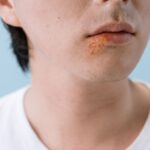
Cold sores are caused by HSV-1. They usually appear on the outside of the lips, around the mouth, or on the nose. They start as a tingling or burning sensation, then form small fluid-filled blisters that crust over. They are contagious.
Canker sores are not contagious. They appear inside the mouth, on the soft tissue of the cheeks, tongue, or the base of the gums. They are shallow, round, or oval ulcers with a white or yellow center and a red border. They are not caused by a virus.
The table below summarizes the key differences.
| Feature | Cold Sore | Canker Sore |
|---|---|---|
| Location | Outside the mouth, on lips | Inside the mouth, on soft tissue |
| Cause | Herpes simplex virus type 1 | Injury, stress, certain foods |
| Contagious | Yes | No |
| Appearance | Fluid-filled blisters that crust | White or yellow center, red border |
| Healing time | 7-10 days | 1-2 weeks |
How Long After Kissing Do Mouth Ulcers Appear?
If you caught HSV-1, the first outbreak usually appears 2 to 12 days after exposure. This is called the incubation period. The first outbreak is often the most severe, and some people experience fever, swollen glands, and muscle aches alongside the sores.
Physical injuries from kissing show up almost immediately. You may feel a sore spot right away, and the ulcer forms within a day or two. Allergic reactions can also appear within hours.
Not everyone who is exposed to HSV-1 develops symptoms. Many people carry the virus without ever knowing it. If you do get symptoms, the first outbreak is typically the worst, and future outbreaks are usually milder and less frequent.




Can You Get Mouth Ulcers From Kissing If Your Partner Has No Sores?
Yes. This is one of the most important facts to understand about HSV-1. The virus can be present on the skin without causing visible sores. This is called asymptomatic shedding.
Research shows that people with HSV-1 can shed the virus in their saliva even when they have no symptoms. This means your partner could pass the virus to you without knowing they are contagious. This is how many people acquire the virus, often during childhood from a parent or relative.
It is also possible to get a canker sore from kissing if the friction caused a small injury. This has nothing to do with infection. The sore is simply your mouth’s response to physical trauma.
What Does a Mouth Ulcer From Kissing Look Like?
It depends on the cause. A cold sore starts with a tingling or burning feeling. Within a day, small blisters form. These blisters can merge, then break open and crust over. The entire process takes about a week to ten days.
A canker sore from physical injury looks different. It is a shallow ulcer with a gray, white, or yellow base and a red halo. It sits on the inside of the cheek or lip. It can be painful, especially when eating salty or spicy foods.
If the ulcer is from an allergic reaction, you might also notice redness or swelling in the area. This usually resolves once the irritant is removed from your routine.
How to Treat a Mouth Ulcer at Home
Most mouth ulcers heal without treatment. Over-the-counter topical gels containing benzocaine or lidocaine can numb the area and reduce pain. These are available at most drugstores.
For cold sores, antiviral creams like docosanol can shorten healing time if applied early. Prescription antiviral medications are also available and work best when started within the first 48 hours of symptoms.
For canker sores, simple rinses with warm salt water can help keep the area clean. Avoid spicy, acidic, or rough foods that can irritate the sore. Over-the-counter oral bandages can protect the ulcer from further friction.
If the pain is severe or the ulcer does not heal within two weeks, see a doctor or dentist. Persistent sores that do not heal can be a sign of a more serious condition.
How to Prevent Mouth Ulcers From Kissing
If your partner has a visible cold sore, avoid kissing until it has completely healed. This is the most reliable prevention method. The virus is most contagious when blisters are present.
Ask your partner if they have a history of cold sores. Even without visible sores, there is a small risk of transmission. Condoms do not prevent this, and no method fully eliminates the risk of HSV-1 transmission.
To prevent canker sores from friction, pay attention to stubble or braces. A gentler kiss with less pressure can reduce the chance of scraping the delicate tissue in your mouth.
If you suspect an allergic reaction, review your lip care products and toothpaste. Switching to a toothpaste without sodium lauryl sulfate may help some people who get frequent canker sores, though the evidence for this is not strong.
When Should You See a Doctor?
See a doctor if a mouth ulcer lasts longer than two weeks. This is the standard threshold for concern. Sores that linger can indicate other conditions that need evaluation.
Seek medical attention if you have a high fever, difficulty swallowing, or the sore spreads rapidly. These symptoms can indicate a more serious infection.
If you have frequent outbreaks of cold sores, discuss suppressive therapy with your doctor. Daily antiviral medication can reduce the frequency of outbreaks and lower the risk of transmission to partners.
Frequently Asked Questions
Can you get a mouth ulcer from kissing someone with braces?
Yes, braces can scrape the inside of your mouth during kissing, creating a canker sore. The sore is from physical injury, not infection, and heals on its own.
Are mouth ulcers from kissing contagious?
Cold sores are contagious because they come from the herpes simplex virus. Canker sores from physical injury or allergies are not contagious.
How long does it take for a cold sore from kissing to appear?
Cold sores typically appear 2 to 12 days after exposure to the virus. The first outbreak is often the most severe.
Can you kiss someone with a cold sore if you have never had one?
No, you should avoid kissing anyone with a visible cold sore. The virus is highly contagious during an active outbreak.
