
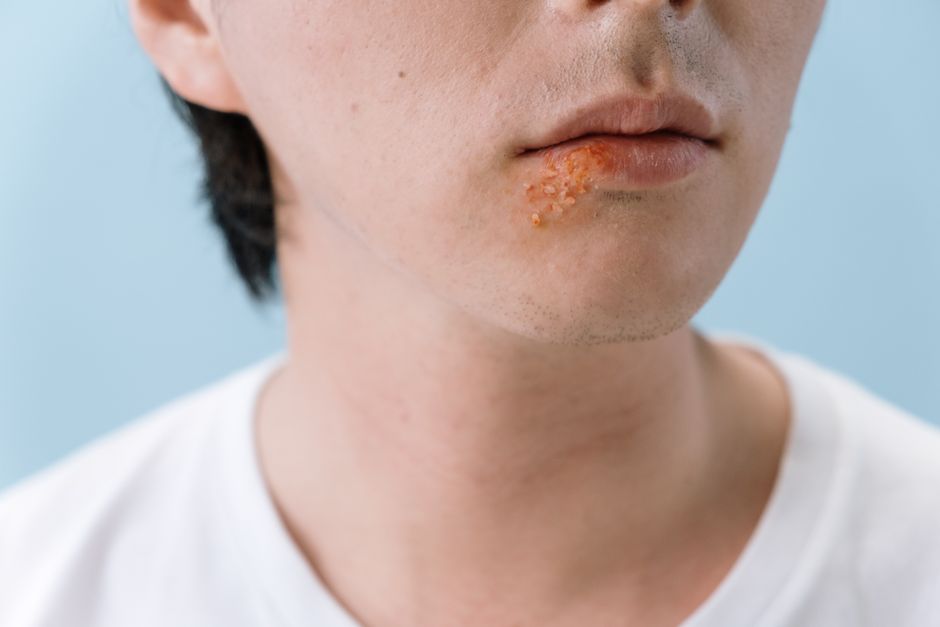
Mouth sores are painful, annoying, and they always seem to show up at the worst possible time. The fastest natural way to get rid of a mouth sore is to start treatment the moment you feel that first tingle. Rinsing with warm salt water several times a day and applying a small amount of coconut oil or a honey paste directly to the sore can reduce pain and speed healing. For canker sores, avoiding acidic and spicy foods for a few days gives your mouth the break it needs to repair itself.
What Actually Causes Mouth Sores in the First Place?
Mouth sores are not one single thing. They come in different types with different causes. The most common is the canker sore, also called an aphthous ulcer. These are small, shallow lesions that appear on the soft tissues inside your mouth, like your cheeks, lips, or under your tongue. They are not contagious.
Cold sores are different. They are caused by the herpes simplex virus and appear on the outside of your lips or around your mouth. They are contagious. Stress, a minor injury from biting your cheek, acidic foods like citrus or tomatoes, and hormonal changes can all trigger both types. Some people get them from toothpaste containing sodium lauryl sulfate. Research published in the journal Oral Diseases found that people who switched to SLS-free toothpaste had fewer canker sores.
Knowing which type you have matters because treatments differ. If you have a cold sore, antiviral treatments work. If you have a canker sore, anti-inflammatory and soothing remedies are more effective. The CDC reports that about 20 percent of the general population gets recurrent canker sores, so you are not alone.
Does Salt Water Really Help Mouth Sores?
Yes, salt water rinses are one of the most evidence-backed home remedies for mouth sores. Salt creates a hypertonic environment. This means it draws fluid out of the swollen tissues in your mouth, which reduces inflammation and pain. It also creates an environment where bacteria struggle to survive, lowering the risk of infection in an open sore.
The trick is using the right concentration. Too much salt burns and irritates. Mix half a teaspoon of table salt into one cup of warm water. Stir until it dissolves completely. Swish it in your mouth for 30 seconds, then spit it out. Do not swallow it. Repeat this three to four times a day, especially after meals.
Some people report faster healing with this method compared to doing nothing. Strong clinical evidence is limited, but the mechanism is well understood and the risk is near zero. It is a low-cost, low-effort first step that many dentists recommend.
What Natural Remedies Have Actual Research Behind Them?
Several natural treatments have been studied for mouth sores. Honey is one of the best supported. A 2014 study in the journal Quintessence International compared honey to a topical corticosteroid for treating canker sores. The honey group had the same reduction in pain and sore size, and they healed just as fast. Honey has natural antibacterial and anti-inflammatory properties. Apply a small dab directly to the sore three times a day.
Coconut oil is another option. It contains lauric acid, which has antimicrobial effects. It also creates a protective barrier over the sore, reducing irritation from food and saliva. Some people report that it numbs the area slightly. There are no large clinical trials on coconut oil specifically for mouth sores, but the mechanism is plausible and it is safe to try.
Aloe vera gel is widely claimed to help, though strong evidence is mixed. Some small studies show that aloe vera can reduce pain and speed healing of canker sores. Other studies show no significant difference from placebo. If you try it, use pure aloe vera gel without added colors or alcohol. Apply it directly to the sore three times a day.
Chamomile tea bags can be used as a compress. Steep a chamomile tea bag in hot water, let it cool until warm but not hot, then hold it against the sore for five to ten minutes. Chamomile contains bisabolol, a compound with anti-inflammatory and antiseptic properties. This is gentle and safe for most people.




What Foods and Habits Should You Avoid While Healing?
What you eat while a sore is healing matters as much as what you put on it. Acidic foods are the biggest problem. Citrus fruits like oranges, lemons, and grapefruit, as well as tomatoes and vinegar-based dressings, can burn and delay healing. Spicy foods like chili peppers and hot sauces trigger pain and inflammation. Crunchy foods like chips, pretzels, and nuts physically scrape against the sore and make it worse.
Hot beverages are also a problem. Coffee, tea, and soup at high temperatures can irritate the sore directly. Let them cool to lukewarm before drinking or eating. Salty foods like pretzels and cured meats sting and slow recovery.
One habit that makes things worse is constantly touching the sore with your tongue. This introduces bacteria, keeps the area moist, and prevents the sore from forming a protective scab. If you have a cold sore, avoid kissing, sharing utensils, or sharing towels until it is completely healed. The virus can spread even when the sore is not visible.
Smoking and vaping are also best avoided. The heat and chemicals in tobacco smoke and vapor are highly irritating to open sores. Smoking also reduces blood flow to the mouth, which slows healing. If you smoke, try to reduce or stop until the sore heals.
How To Get Rid Of Mouth Sores Fast And Naturally When They First Appear
The fastest natural approach depends on catching the sore early. The moment you feel that tingling or burning sensation, start treatment. For canker sores, a baking soda paste can neutralize acid and reduce pain. Mix one teaspoon of baking soda with a few drops of water until it forms a thick paste. Apply it directly to the sore and leave it on for one to two minutes, then rinse. This works best when the sore first appears.
For cold sores, ice is your best early tool. Hold an ice cube wrapped in a clean cloth against the area for ten minutes. This reduces blood flow to the virus, which can slow its replication and reduce the size of the blister. Repeat this every hour during the first day.
Milk of magnesia is a lesser-known but effective remedy. It is an alkaline liquid that changes the pH balance in your mouth, making it harder for bacteria to thrive. Dab a small amount onto the sore with a cotton swab three times a day. It can sting slightly at first but usually settles within a minute. This is a common recommendation from dentists for canker sores.
Some people find that taking a vitamin B12 supplement helps prevent future outbreaks. A 2009 study published in the Journal of the American Board of Family Medicine found that people who took 1,000 micrograms of B12 daily had fewer canker sore outbreaks and less pain during outbreaks. This is not a fast fix for an active sore, but it is worth considering if you get them often.
Common Misconceptions About Mouth Sore Treatments
One of the most persistent myths is that putting alcohol directly on a mouth sore will dry it out and heal it faster. This is false. Alcohol-based mouthwashes and rubbing alcohol burn the tissue, damage healthy cells, and actually slow healing. They provide temporary pain relief by numbing the area, but the damage outweighs any benefit.
Another myth is that vitamin C supplements can cure mouth sores quickly. While a deficiency in vitamin C can contribute to poor wound healing, taking large doses during an active outbreak does not speed recovery. It can actually irritate the sore because vitamin C is acidic. The same goes for citrus fruits. Eating an orange will not help an active canker sore.
Some people believe that mouth sores are a sign of poor hygiene. This is not true. In fact, over-brushing or using a hard-bristled toothbrush can cause the minor injuries that trigger canker sores. Gentle brushing with a soft-bristled brush and SLS-free toothpaste is better for people prone to sores.
There is no evidence that garlic directly on a mouth sore helps. Garlic has antimicrobial properties when eaten, but applying raw garlic to an open sore can cause a chemical burn and severe pain. Avoid this home remedy.
| Remedy | Evidence Level | Best For |
|---|---|---|
| Salt water rinse | Moderate | Canker sores |
| Honey | Strong | Canker sores |
| Coconut oil | Weak | Canker sores |
| Aloe vera gel | Mixed | Canker sores |
| Ice | Moderate | Cold sores |
| Baking soda paste | Weak | Canker sores |
| Vitamin B12 supplement | Moderate | Prevention of canker sores |
When Should You See a Doctor or Dentist?
Most mouth sores go away on their own within one to two weeks. If a sore lasts longer than two weeks without healing, you should see a dentist or doctor. Persistent sores can sometimes be a sign of a more serious condition, including oral cancer, though this is rare.
Other reasons to seek medical attention include sores that are unusually large, sores that spread rapidly, sores accompanied by a fever, or sores that make it difficult to swallow or drink. If you get multiple sores at once or if they keep coming back frequently, a doctor can check for underlying causes like vitamin deficiencies, autoimmune conditions, or celiac disease.
For cold sores, prescription antiviral medications like acyclovir or valacyclovir can shorten the outbreak significantly if taken at the first sign. These are not natural, but they are the most effective option for people who get frequent or severe cold sores. Talk to your doctor about whether a prescription makes sense for you.
Frequently Asked Questions
How long does it take for a mouth sore to heal naturally?
Most canker sores heal within 7 to 14 days without treatment. Cold sores typically heal within 7 to 10 days.
Can I use hydrogen peroxide on a mouth sore?
Diluted hydrogen peroxide can be used as a rinse but only at half strength mixed with equal parts water. Full strength hydrogen peroxide damages healthy tissue and should not be applied directly.
Does stress cause mouth sores?
Stress is a known trigger for both canker sores and cold sores. Managing stress through rest and relaxation may help reduce how often they occur.
Is it safe to pop a cold sore blister?
No. Popping a cold sore blister spreads the virus to other areas of your skin and can cause a secondary bacterial infection. Let it heal on its own.
