
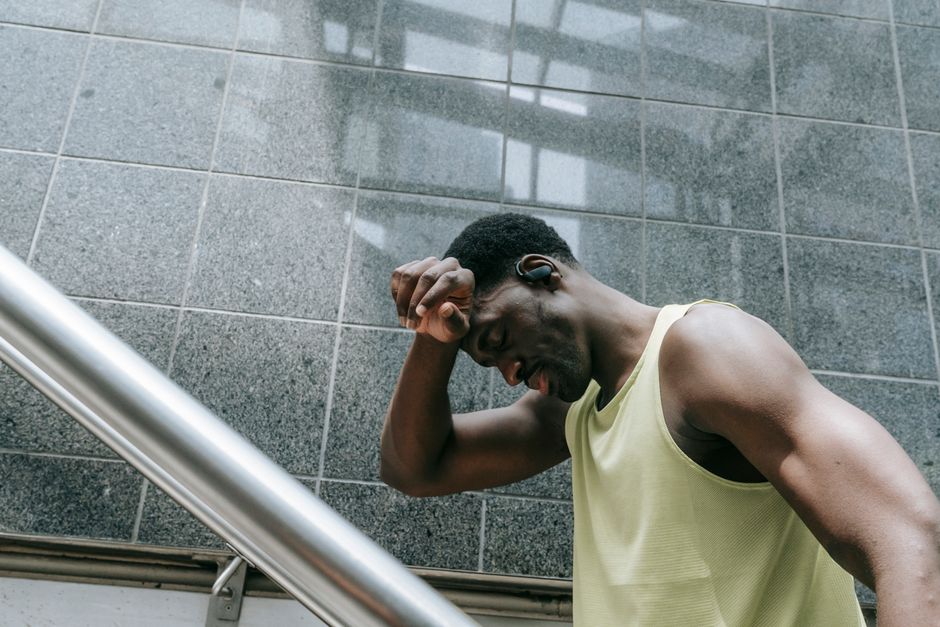
Feeling cold and shivery when you are worn out is common, and it usually has a physical explanation rather than a serious one. When you are tired, your body’s temperature control and blood flow shift, and your muscles generate less heat. That combination can make you feel chilled even in a warm room. The key question is why this happens and when it might signal something worth checking.
Why Do I Get Chills When Im Tired The Causes?
Chills are your body’s response to feeling cold or to a signal that your core temperature needs to rise. When you are tired, several things happen at once that can trigger that feeling.
First, fatigue often comes with reduced physical activity. Muscles produce a large share of your body heat when you move. When you slow down and sit still, you generate less heat, so your skin can feel cool.
Second, your body shifts blood flow. When you are tired or stressed, blood vessels near the skin can narrow. This keeps warm blood closer to your core. Your hands, feet, and skin then feel colder than usual.
Third, your internal temperature naturally dips in the evening and during sleep. This is a normal part of your daily rhythm. If you are already exhausted, that dip can feel more noticeable.
Chills are different from shivering. Shivering is a reflex where muscles contract quickly to make heat. Chills are the feeling of being cold, and they can happen with or without shivering. Both can occur when you are tired.
What Is Actually Happening In Your Body When You Feel Chilly?
Your body keeps its core temperature within a narrow range, roughly 97 to 99 degrees Fahrenheit for most adults. A small area in your brain called the hypothalamus acts like a thermostat. It compares your current temperature to a set point and tells your body how to respond.
When the hypothalamus senses you are below that set point, it triggers two main responses. It narrows blood vessels in your skin to save heat, and it makes your muscles shiver to produce heat. Fatigue can influence both of these.
Being tired raises levels of certain chemical messengers in the body, including some that are part of the immune response. These messengers can affect the hypothalamus and make you feel cold or shivery. This is one reason you may feel chilled when you are run down, even before you get sick.
Low blood sugar can play a role too. When you have not eaten for a while and you are tired, your blood sugar may drop. That can make you feel weak, shaky, and cold. This is a normal response, not a disease on its own.
Is It Normal To Get Chills When You Are Just Tired?
Yes, it can be normal. Many people feel cold or shivery when they are very tired, especially in the evening or after a long day without enough food or water.
Common everyday causes include:
- Being physically exhausted after activity or a long day
- Skipping meals or going too long without eating
- Mild dehydration
- Being in a cool room while sitting still
- Poor sleep the night before
- Stress or anxiety, which can affect blood flow and temperature
In these cases, the chills usually pass once you rest, eat, drink water, or warm up. They are not a sign of anything serious by themselves.
One detail worth knowing: feeling cold is not the same as having a low body temperature. You can feel chilled while your core temperature is normal. The sensation comes from your skin and your brain’s set point, not always from your actual temperature.





When Could Tiredness And Chills Point To Something More?
Sometimes chills with fatigue are a sign that your body is fighting something or that a health issue needs attention. The pattern matters more than any single symptom.
See a doctor if chills come with any of these:
- A fever, especially a high one
- Chills that shake your whole body
- Fatigue that does not improve with rest
- Shortness of breath, chest pain, or a fast heartbeat
- Unexplained weight loss
- Night sweats
- Chills that keep coming back
Chills with a fever often mean an infection. The fever raises your body’s set point, so you feel cold until your temperature catches up. That is why you can shiver even as your temperature climbs.
Other conditions can cause ongoing tiredness and a feeling of being cold. These include an underactive thyroid, anemia, and some vitamin deficiencies. These are diagnosed with blood tests, not by symptoms alone. If fatigue and chills last for weeks, it is reasonable to get checked.
For most people, though, occasional chills when tired are not a warning sign. They are a normal response to being worn down.
How Can You Tell Everyday Chills From A Warning Sign?
Context is the best guide. Everyday chills tend to follow a clear trigger and go away with rest, food, or warmth. Warning-sign chills tend to be stronger, last longer, or come with other symptoms.
The table below compares common patterns. It is a general guide, not a diagnosis.
| Feature | Usually everyday | Worth checking |
|---|---|---|
| Trigger | Tired, hungry, cold room | No clear trigger |
| Fever | None | Present |
| Duration | Minutes to an hour | Days or weeks |
| Relief | Rest, food, warmth | Does not improve |
| Other symptoms | None | Sweats, weight loss, breathlessness |
If your chills fit the everyday column, you likely do not need to worry. If they fit the right column, talk to a doctor.
What Helps You Feel Better When You Are Tired And Chilly?
The most reliable steps are basic ones. They address the common causes directly.
- Eat something if you have gone a long time without food
- Drink water, since dehydration can make you feel cold and tired
- Put on a layer or use a blanket to warm your skin
- Rest or sleep, since fatigue itself is often the trigger
- Move around a little to help your muscles make heat
These steps are not a treatment for any condition. They simply remove the everyday causes of feeling chilled.
If you have a fever, the goal is comfort, not forcing your temperature down. Fever is part of how the body responds to infection. Over-the-counter fever reducers can help you feel better, but they do not treat the cause. Follow the label and ask a pharmacist or doctor if you are unsure.
Do not ignore chills that come with confusion, a stiff neck, trouble breathing, or a very high fever. Those need medical care right away.
Does Being Tired Always Mean You Will Feel Cold?
No. Tiredness and chills often go together, but not everyone feels cold when they are tired. Some people feel warm instead, especially if they are stressed or have been active.
The link depends on your body’s temperature control, your blood sugar, your hydration, and your environment. Two people can be equally tired and feel completely different.
What matters is the pattern for you. If you regularly feel chilled when tired and it passes with rest, that is likely normal. If it is new, strong, or comes with other symptoms, get it checked.
Frequently Asked Questions
Why do I get chills when I am tired?
When you are tired, you move less and make less body heat, and your blood flow shifts away from your skin. That can make you feel cold even when your core temperature is normal.
Can being tired cause chills without a fever?
Yes. Fatigue, hunger, dehydration, and a cool room can all cause chills without any fever. These usually pass once you rest, eat, or warm up.
When should I worry about chills and fatigue?
Get checked if chills come with a fever, shaking, night sweats, weight loss, or fatigue that does not improve with rest. Ongoing symptoms like these are worth a doctor’s visit.
Does low blood sugar cause chills when you are tired?
It can. Going too long without eating can drop your blood sugar and make you feel shaky, weak, and cold. Eating something usually helps.
