
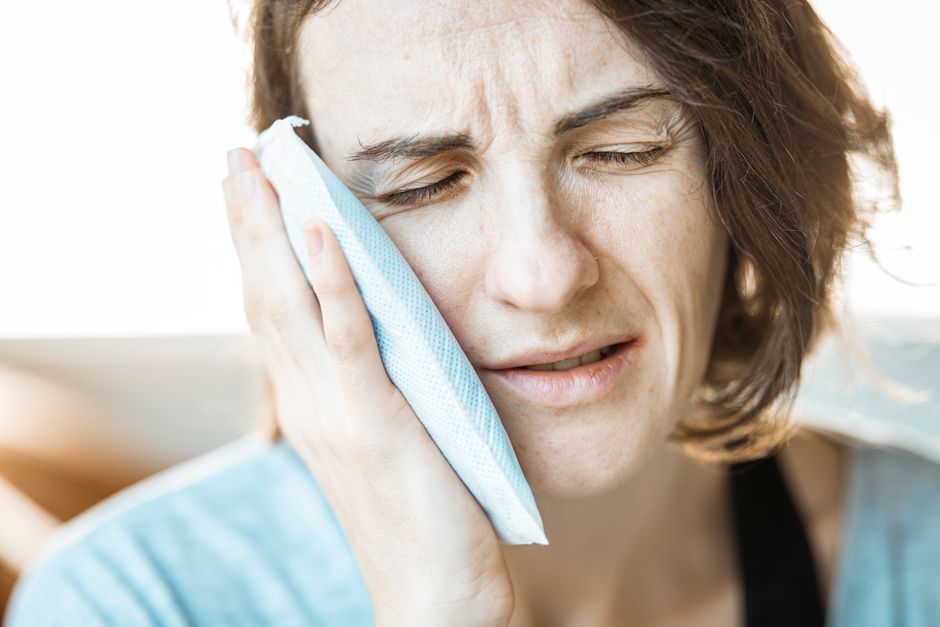
Stress can feel like it shows up everywhere in your body. For many people, it shows up in the mouth. Those small, shallow, painful sores appear a few days after a demanding week. The connection is real, and it is not just in your head. Stress changes how your immune system behaves, and that change can make the delicate lining of your mouth more vulnerable to developing canker sores.
What Exactly Is a Canker Sore?
A canker sore is a small, shallow ulcer that forms on the soft tissues inside your mouth. You will find them on the inside of your lips, your cheeks, under your tongue, or at the base of your gums. They are usually round or oval with a white, yellow, or gray center and a red border.
They are not the same as cold sores. Cold sores are caused by the herpes simplex virus and appear on the outside of the lips. Canker sores are not contagious. They are an inflammatory response happening inside your mouth, and they are remarkably common. Studies suggest that about 20 percent of the general population gets them regularly.
How Stress Triggers a Canker Sore
The lining of your mouth, called the oral mucosa, is a fast-renewing tissue. It constantly sheds old cells and grows new ones. Stress interrupts this normal process.
When you are under stress, your body releases cortisol and other stress hormones. These hormones affect your immune system in several ways. They can change how your body manages inflammation. They can also alter the protective mucus layer that coats the inside of your mouth. When that protective layer thins or changes, the tissue underneath becomes more easily irritated.
Stress also suppresses certain aspects of immune function while overactivating others. This imbalance can cause your immune cells to react more aggressively to minor irritation. A small scrape from a crunchy snack or a toothbrush bristle can trigger an outsized inflammatory response. That response becomes a canker sore.
There is also a behavioral angle. People under stress often change their eating and sleeping habits. They may drink more coffee, eat more sugar, or skip meals. They may clench or grind their teeth. Any of these can irritate the mouth and contribute to sore formation.
Is Stress the Only Cause?
No. Stress is a common trigger, but it is rarely the only factor. Most people who get recurrent canker sores have multiple triggers that combine.
Minor mouth injuries are a leading cause. Biting your cheek, brushing too hard, or eating sharp foods like chips or crusty bread can start a sore. Certain foods are known irritants for sensitive mouths. Acidic foods like citrus fruits, tomatoes, and pineapple are frequent culprits. Spicy foods can also trigger sores in some people.
Nutritional deficiencies play a role in some cases. Research has linked canker sores to low levels of vitamin B12, iron, and folate. If you get sores frequently, it may be worth checking these levels with a blood test.
Hormonal changes matter too. Many women report more canker sores during certain phases of their menstrual cycle. The evidence here is not as strong as for stress or injury, but the pattern is commonly reported in clinical practice.
Some cases have a genetic component. If your parents got canker sores, you are more likely to get them. Certain underlying conditions, like Crohn’s disease, celiac disease, or Behçet’s disease, are also associated with recurrent mouth ulcers.




How Long Do They Last and When Should You Worry?
Most canker sores heal on their own within 7 to 14 days. The pain is usually worst in the first 3 to 4 days, then gradually fades as the sore begins to heal. Larger sores can take up to two weeks or a bit longer.
You should see a doctor or dentist if a sore lasts longer than two weeks. You should also seek medical attention if the sores are unusually large, if you get them frequently, or if they spread. Sores that bleed, grow, or appear in clusters may need professional evaluation.
Pain that interferes with eating or drinking is another reason to seek help. Dehydration is a real risk if you cannot eat or drink comfortably.
Most importantly, any sore that does not heal within three weeks should be examined. Most canker sores are harmless, but persistent sores can occasionally be a sign of something more serious.
What Actually Helps Soothe Them
There is no cure for canker sores. Treatment focuses on managing pain and speeding up healing. Over-the-counter topical gels containing benzocaine or lidocaine can numb the area temporarily. These are applied directly to the sore and provide short-term relief, especially before eating.
Mouth rinses can help. A saltwater rinse, made by dissolving half a teaspoon of salt in a cup of warm water, can soothe irritation and keep the area clean. Some people find relief with a baking soda rinse. Swish and spit, do not swallow.
There are prescription options for severe or frequent cases. Prescription mouthwashes containing dexamethasone or lidocaine can reduce inflammation and pain. Oral medications may be considered in stubborn cases. These require a doctor’s prescription and are not first-line treatments.
For pain management, over-the-counter pain relievers like acetaminophen or ibuprofen can help. Always follow the dosing instructions on the label.
Can You Prevent Them?
Prevention is about identifying your personal triggers and managing what you can. If stress is your trigger, stress management is your best prevention tool. This does not mean eliminating stress entirely. It means finding ways to reduce its impact on your body.
Regular sleep, physical activity, and time for relaxation all help. Some people find that mindfulness or breathing exercises reduce the physical effects of stress. The evidence for these approaches is not strong enough to say they prevent canker sores specifically, but they are low-risk and generally good for health.
Dietary changes can help if certain foods trigger your sores. Keep a simple diary of what you eat before a sore appears. If you notice a pattern with acidic or spicy foods, try avoiding them for a few weeks to see if it makes a difference.
Good oral hygiene matters. Brush gently with a soft-bristled toothbrush. Avoid toothpaste containing sodium lauryl sulfate if you are prone to sores. Some research suggests this foaming agent may irritate the mouth lining, though the evidence is not conclusive. Switching is low-cost and worth trying if you get sores often.
If you have a known deficiency in vitamin B12, iron, or folate, correcting it may reduce sore frequency. This is only relevant if testing confirms a deficiency. Taking supplements without a known deficiency has not been shown to prevent canker sores.
Why Do I Get Canker Sores When Im Stressed?
Stress affects your immune system and the protective lining of your mouth. Cortisol and other stress hormones alter how your body handles inflammation. This makes the delicate tissue inside your mouth more reactive to minor irritation. A tiny scrape that would normally go unnoticed becomes a painful ulcer.
Stress also changes your behavior in ways that matter. You may eat differently, sleep less, or grind your teeth. Each of these can add to the irritation. The result is that stress creates the conditions for a canker sore to develop, even if stress does not directly cause the sore itself.
The good news is that these sores are temporary. They heal. Understanding your triggers gives you some control over how often they appear.
Frequently Asked Questions
Are canker sores contagious?
No, canker sores are not contagious. They are an inflammatory response, not a viral infection like cold sores.
How long does a stress-related canker sore take to heal?
Most heal within 7 to 14 days without treatment. The pain usually peaks in the first few days and then fades.
Can vitamin deficiency cause canker sores?
Yes, low levels of vitamin B12, iron, or folate have been linked to recurrent canker sores in some research. A blood test can confirm whether a deficiency is a factor for you.
When should I see a doctor for a canker sore?
See a doctor if a sore lasts more than two weeks, is unusually large, spreads, or bleeds. Persistent sores should always be professionally evaluated.
