

Bloating after every meal is frustrating, and it can make you feel like your body is working against you. The truth is, feeling bloated after eating anything usually points to a few common mechanical or digestive issues rather than a problem with every single food you eat. Gas production, slow stomach emptying, and how your gut bacteria break down certain foods are the most frequent culprits behind that tight, swollen feeling.
What Actually Causes Bloating After Every Meal?
Bloating happens when gas or fluid builds up in your digestive tract. When it occurs after every meal, the cause is often a pattern rather than one specific food. The most common pattern involves swallowing air while eating, or your gut producing excess gas as it breaks down food.
Another major factor is the speed at which your stomach empties. If your stomach holds food longer than normal, you will feel full and distended even after a small meal. This is a mechanical issue, not a food allergy. Some research suggests that up to 20% of healthy people experience bloating regularly, and most never find a single trigger food.
Can You Be Allergic or Intolerant to Everything?
Food intolerances are real, but they rarely explain bloating after every single meal. Lactose intolerance, for example, only causes symptoms when you consume dairy. Celiac disease only triggers a reaction when gluten is present. If you react to everything, the problem is likely not the food itself.
What feels like a reaction to all foods is often a condition called functional bloating. This means your digestive tract is functioning normally by medical tests, but your gut is overly sensitive to normal amounts of gas. Your intestines may be moving gas through too slowly, or your nerves may be signaling discomfort from a normal amount of distension.
Some research suggests that up to 20% of healthy people experience bloating regularly, and most never find a single trigger food.
Why Do I Get Bloated After Eating Anything? The Role of Gut Bacteria
Your large intestine contains trillions of bacteria that ferment undigested carbohydrates. This fermentation process produces gas as a normal byproduct. When you eat foods high in certain fibers, or when your gut bacteria overgrow in the small intestine, gas production increases significantly.
Small intestinal bacterial overgrowth (SIBO) is a condition where bacteria that normally live in the large intestine move up into the small intestine. When this happens, they ferment food earlier in the digestive process, causing bloating shortly after meals. This is a diagnosable condition that requires a breath test, not a guess based on symptoms alone.
The type of bacteria in your gut also matters. Some people naturally carry more gas-producing bacteria. This is not something you can fix overnight, but it explains why two people can eat the same meal and only one gets bloated.




Common Foods That Cause Gas Even in Healthy People
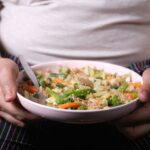
Certain foods are known gas producers regardless of your digestive health. These foods contain carbohydrates that your small intestine cannot fully break down. The undigested portions travel to the large intestine, where bacteria ferment them.
- Beans and lentils — contain oligosaccharides that are hard to digest
- Cruciferous vegetables — broccoli, cabbage, and cauliflower contain raffinose
- Onions and garlic — contain fructans, a type of fermentable fiber
- Carbonated drinks — introduce carbon dioxide directly into your stomach
- Chewing gum and hard candy — cause you to swallow extra air
- Dairy products — contain lactose, which many adults cannot fully digest
Eating these foods in combination, or eating them quickly, increases the likelihood of bloating. This does not mean you are intolerant to all of them. It means your digestive system is handling a heavy fermentation load.
Slow Stomach Emptying and Its Effect on Bloating
Gastroparesis is a condition where the stomach takes too long to empty its contents. This can cause bloating, nausea, and feeling full after only a few bites. It is more common in people with diabetes, but it can also occur without an identifiable cause.
Even without full gastroparesis, many people have a slower-than-average stomach emptying rate. High-fat meals slow stomach emptying because fat takes longer to digest. Large meals stretch the stomach wall, which can also delay emptying. Eating smaller meals more frequently often reduces bloating in these cases.
Stress also plays a role. Your digestive system is controlled by the same nervous system that responds to stress. When you are anxious or rushed, your body diverts blood flow away from digestion, which slows the entire process.
How to Tell If Your Bloating Is Normal or a Warning Sign
Occasional bloating after large meals or high-fiber foods is normal. Bloating that occurs after every meal, even small ones, deserves attention. The key is to look at accompanying symptoms rather than the bloating alone.
Seek medical evaluation if bloating comes with any of these signs:
- Unintentional weight loss
- Blood in your stool
- Persistent nausea or vomiting
- Severe abdominal pain that does not go away
- Fever
- Changes in bowel habits lasting more than two weeks
These symptoms can indicate conditions that require treatment, such as inflammatory bowel disease, celiac disease, or ovarian cancer in women. Bloating alone is rarely an emergency, but bloating with these signs is a reason to see a doctor.
Practical Steps to Reduce Bloating at Your Next Meal
You can reduce bloating without eliminating all your favorite foods. The goal is to reduce gas production and speed up digestion, not to follow an overly restrictive diet.
Eat slower. When you eat quickly, you swallow air along with your food. This air travels through your digestive tract and causes pressure. Slowing down gives your stomach time to signal fullness to your brain, which helps you eat less.
Chew thoroughly. Digestion begins in your mouth. Saliva contains enzymes that start breaking down carbohydrates. Larger food particles take longer to break down in the stomach and small intestine, which leaves more for bacteria to ferment.
Consider a low-FODMAP trial. FODMAPs are fermentable carbohydrates that cause gas in many people. A dietitian can guide you through a temporary elimination phase followed by gradual reintroduction. This is not a permanent diet, and it is not appropriate for everyone.
Stay active. Physical activity stimulates the muscles in your digestive tract. Even a short walk after a meal can help move gas through your system. This is one of the most consistently supported recommendations for reducing bloating.
When Bloating Is Actually Constipation
Many people who think they bloat after every meal are actually constipated. You can be constipated even if you have a bowel movement every day. If your stools are hard, difficult to pass, or infrequent, gas gets trapped behind the backed-up stool.
This creates a cycle. The trapped gas causes pressure and discomfort. The discomfort makes you eat less or avoid certain foods. The reduced intake can make constipation worse. Increasing water intake and gradually adding fiber often helps, but sudden increases in fiber can cause more gas before it improves.
If you have not had a bowel movement in several days and feel bloated, addressing the constipation first is more effective than changing your regular diet.
What Does the Evidence Say About Probiotics for Bloating?
Probiotics are popular for digestive complaints, but the evidence for bloating specifically is mixed. Some studies show benefit from certain strains, particularly Bifidobacterium species. Other studies show no difference compared to placebo.
The challenge is that probiotics are strain-specific. A product that works for one person may have no effect on another because everyone’s gut bacteria are different. Some research suggests that certain probiotics can actually cause bloating in the first week of use as the gut adjusts. If you try a probiotic and feel worse, stopping it is a reasonable choice. No clinical evidence currently confirms that any single probiotic reliably cures bloating.
Frequently Asked Questions
Why do I get bloated after eating anything even healthy food?
Healthy foods like vegetables, fruits, and whole grains contain fibers that your body cannot fully digest, and bacteria ferment them into gas. Eating these foods quickly or in large amounts can cause bloating even without any food intolerance.
Can bloating after every meal be a sign of something serious?
Bloating alone is rarely a sign of a serious condition, but bloating with weight loss, blood in stool, or severe pain warrants medical evaluation. These additional symptoms can indicate conditions that need treatment.
How long does normal bloating last after eating?
Normal bloating typically resolves within a few hours as gas moves through your digestive tract. Bloating that lasts more than 24 hours or worsens over time is worth discussing with a doctor.
Does drinking water help with bloating?
Water helps if the bloating is related to constipation, but drinking large amounts during a meal can make you feel fuller. Sip water throughout the day and avoid carbonated beverages, which add gas directly to your stomach.
