
Yes, you can get bloated from not eating, and it is a more common issue than most people realize. When you skip meals or fast for long periods, your digestive system reacts in ways that often lead to gas, distension, and that uncomfortable full feeling. The bloating is not from food sitting in your stomach; it is a combination of slowed digestion, changes in gut bacteria, and the physical effects of an empty stomach. Understanding exactly why this happens can help you manage the discomfort and adjust your eating patterns to avoid it.
Why Does an Empty Stomach Cause Bloating?
The main reason is that your digestive tract keeps working even when there is no food to process. Your stomach still produces gastric juices and acid in anticipation of a meal. When these fluids and acids accumulate without food to mix with, they can create a sensation of fullness and pressure.
Your intestines also continue their natural movements, called peristalsis. Without food to push along, this movement can slow down. Slower intestinal transit means gas that is produced by gut bacteria stays in place longer. That trapped gas builds up, causing visible distension and discomfort. It is a direct physical response, not just a feeling in your head.
The Role of Swallowed Air and Gut Bacteria
A lesser-known factor is that people tend to swallow more air when they are hungry. This can happen from chewing gum, drinking carbonated beverages, or even from the increased saliva production that occurs when you think about food. Swallowed air, or aerophagia, has to go somewhere. If digestion is slow, that air sits in the stomach and intestines, contributing directly to bloating.
Gut bacteria also play a significant part. The microbes in your large intestine ferment undigested carbohydrates and produce gas as a byproduct. When you have not eaten, the bacterial population shifts and becomes more active on whatever residual material is present. Some research suggests that changes in meal timing alter the gut microbiome’s activity, which can increase gas production even without a fresh food source.
Can Skipping Meals Lead to Constipation and Bloating?
Yes, and this is a cycle worth understanding. Regular meals are one of the primary triggers for the gastrocolic reflex, which is the signal that tells your colon to make room for new food. When you skip meals, this reflex is not stimulated as often. The result is that waste moves more slowly through the colon, and water is reabsorbed from it, making stool harder and more difficult to pass.
This slower transit time is a direct cause of constipation. When stool sits in the colon longer, it also allows more time for fermentation and gas production. Constipation and gas often appear together, and both are common results of irregular eating patterns. If you are bloated after not eating, constipation may be a hidden contributor even if you do not feel like you are severely backed up.





How Long Does It Take for Bloating to Appear?
Bloating from not eating does not happen immediately. It typically develops after several hours without food. For most people, the sensation becomes noticeable around the 4 to 6 hour mark of fasting. This is when stomach acid accumulation and slowed motility start to combine with gas buildup.
The timing varies based on what you ate last. A meal high in fat and protein takes longer to leave the stomach, which can delay the onset of hunger-related bloating. A meal high in refined carbohydrates leaves quickly, so bloating can start sooner. Individual gut motility also matters, as some people naturally have faster or slower digestion.
Does the Type of Food You Eat When You Break the Fast Matter?
Yes, significantly. How you break a fast can either relieve or worsen bloating. Eating a large meal quickly after a long period without food can shock the digestive system. The stomach has been empty and the enzyme production has slowed. Introducing a heavy, high-fat, or highly processed meal suddenly can cause rapid gastric emptying issues and increased gas.
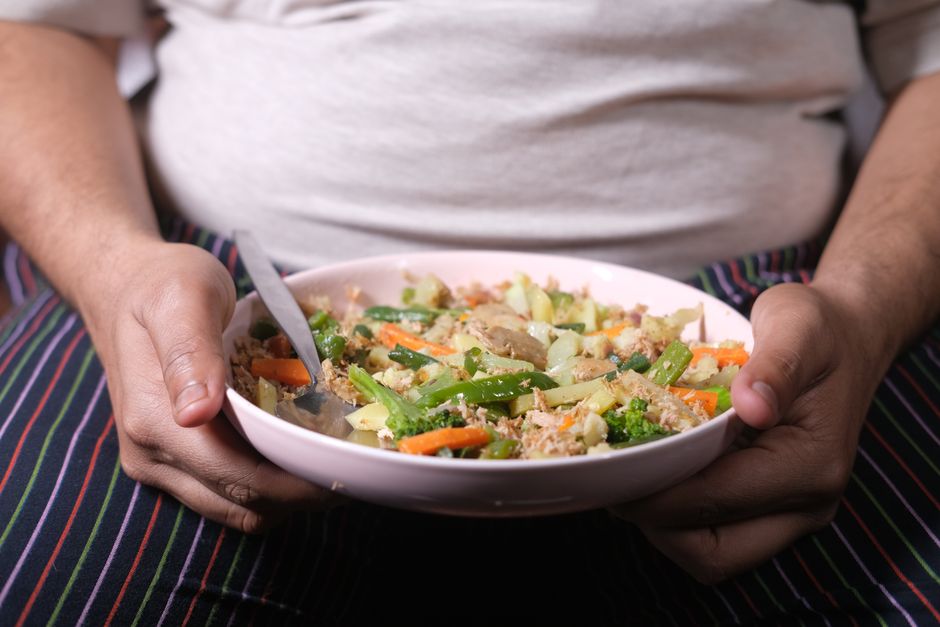
Breaking a fast with a smaller, balanced meal that includes easily digestible proteins, cooked vegetables, and complex carbohydrates is gentler on the system. Chewing food thoroughly and eating slowly gives your digestive enzymes time to catch up. This approach reduces the likelihood of post-meal bloating and helps reset normal digestive rhythm.
What Is the Difference Between Hunger Pangs and Bloating?
Hunger pangs and bloating feel completely different, but they can occur close together. Hunger pangs are caused by strong contractions of the empty stomach. These contractions are a physical signal from the body asking for fuel. They typically feel like a gnawing or cramping sensation in the upper abdomen.
Bloating, on the other hand, is a sensation of pressure, fullness, or tightness. It is often accompanied by visible swelling of the abdomen. You can experience both at the same time if you are hungry but your gut is also full of gas. Recognizing the difference matters because the remedies are different. Hunger pangs are resolved by eating, while bloating may require movement, hydration, or time for gas to pass.
How to Relieve Bloating Caused by Not Eating
The first step is to eat something, but the approach matters. Start with a small portion of easily digestible food. A piece of fruit, a bowl of broth, or a small serving of plain rice is enough to signal to your digestive system that food is coming without overwhelming it. Wait about 20 minutes before deciding if you need more.
Gentle movement can help move trapped gas. A short walk stimulates peristalsis and encourages the passage of gas. Light stretching, particularly movements that involve the abdomen, can also provide relief. Drinking warm water or herbal tea, such as peppermint or ginger tea, can soothe the digestive tract and promote motility, though evidence for these specific teas is largely based on traditional use.
Avoid carbonated drinks and chewing gum while you are bloated. Both introduce additional air into the digestive tract. Also avoid eating very quickly, as rapid eating increases the amount of air swallowed.
When Is Bloating a Sign of Something Else?
Occasional bloating from skipped meals is normal, but persistent bloating can signal an underlying issue. If you get bloated regularly even when you eat consistently, or if the bloating is painful and does not resolve with eating or passing gas, it is worth discussing with a doctor. Conditions like irritable bowel syndrome, gastroparesis, or small intestinal bacterial overgrowth can cause similar symptoms.
Seek medical attention if bloating is accompanied by severe pain, unintentional weight loss, blood in the stool, or persistent vomiting. These symptoms require proper evaluation. Bloating alone is rarely an emergency, but the combination of these signs should not be ignored. A healthcare provider can help determine whether the cause is simply eating patterns or something that needs targeted treatment.
Does Intermittent Fasting Always Cause Bloating?
Not always, but it is a common side effect, especially when starting. Intermittent fasting involves periods of eating and not eating. During the fasting window, the same mechanisms that cause bloating from skipped meals apply. However, many people find that the bloating decreases after their body adapts to the new schedule, which typically takes a few weeks.
The type of food eaten during the eating window matters more than the fasting itself. If large, heavy meals are consumed to compensate for the fasting period, bloating is likely. If meals remain balanced and portions are reasonable, many people experience less bloating over time. There is no evidence that intermittent fasting inherently causes long-term bloating, but individual responses vary widely.
Can You Get Bloated from Not Eating Enough Over Several Days?
Yes, and this is a different situation than skipping a single meal. Chronic undereating can lead to more persistent digestive issues. When caloric intake is consistently low, the body slows down digestion to conserve energy. This reduced gut motility leads to constipation and gas retention that can last throughout the day.
Chronic undereating also affects the balance of gut bacteria. A lack of dietary fiber and varied nutrients starves beneficial microbes, which can alter gas production patterns. In this scenario, bloating becomes a daily issue rather than a temporary one. Addressing this requires a consistent eating schedule with adequate calories and fiber, not just a single meal.
Frequently Asked Questions
Why do I get a big belly when I haven’t eaten all day?
Your stomach produces acid and digestive juices even when empty, and your intestinal gas has nowhere to go because motility slows down. This combination creates pressure and visible distension that feels like a full belly.
Does drinking water help bloating from not eating?
Drinking water can help move things along, but drinking too much at once can worsen the feeling of fullness. Sip water slowly and consider warm liquids, which are gentler on an empty stomach.
How quickly does bloating go away after eating?
It usually takes 1 to 3 hours for bloating to subside after eating a small, easily digestible meal. The relief comes as food stimulates digestion and trapped gas is passed.
Is bloating from fasting a sign of an eating disorder?
No, occasional bloating from fasting or skipped meals is a normal digestive response. However, if you are fasting excessively or feel compelled to restrict food despite discomfort, it is appropriate to speak with a healthcare professional.
