
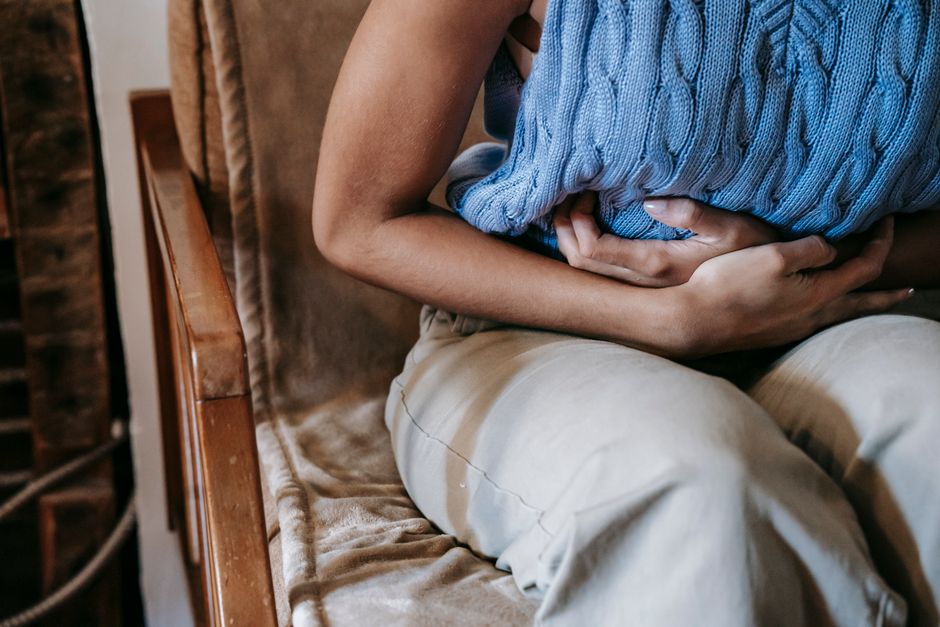
Bloating is that tight, swollen feeling in your belly that makes your pants feel uncomfortable by mid-afternoon. The real answer to getting rid of it is not a single trick but a short list of evidence-backed changes: identify your triggers, fix your gut bacteria balance, and stop swallowing air when you eat. Most cases of bloating are not a medical emergency — they are a response to how you eat and what you eat. The solution is simpler than most articles make it sound.
What Actually Causes a Bloated Stomach?
Bloating happens when gas builds up in your digestive tract or when your body holds onto extra water. The gas comes from two main places: swallowed air and the breakdown of food by bacteria in your colon. When you eat fast, chew gum, or drink carbonated drinks, you swallow air that gets trapped. The bigger source is often the fermentation of certain foods by your gut bacteria.
Research published in the journal Gastroenterology found that about 15 to 30 percent of adults report regular bloating. For most people, the cause is diet-related rather than a disease. Common triggers include beans, lentils, broccoli, cabbage, onions, and wheat. These foods contain fermentable carbohydrates called FODMAPs that some people struggle to digest fully.
Water retention is a separate cause. High sodium intake, hormonal shifts during the menstrual cycle, and even dehydration can make your body hold onto fluid. When you are dehydrated, your kidneys signal your body to retain water, which can make your stomach feel puffy.
How Do I Get Rid of My Bloated Stomach With Diet Changes?
Diet is the most powerful lever you have. The first step is to identify which high-FODMAP foods are causing your gas. A low-FODMAP diet, developed by researchers at Monash University, has strong clinical evidence behind it. Studies show that about 70 percent of people with irritable bowel syndrome (IBS) — many of whom experience bloating — see improvement on a low-FODMAP diet.
This is not a permanent diet. You eat low-FODMAP foods for two to six weeks, then slowly reintroduce foods one at a time to find your personal triggers. Common high-FODMAP foods include garlic, onions, apples, pears, watermelon, milk, yogurt, wheat, and beans. Low-FODMAP alternatives include rice, oats, bananas, strawberries, carrots, and spinach.
A simpler starting point is to cut back on the most common gas-producing foods for a week and see how you feel. Many people find that reducing beans, broccoli, and carbonated drinks makes a noticeable difference within days. The key is to do one change at a time so you know what works.
Eating slowly matters as much as what you eat. When you rush through a meal, you swallow more air. Chew each bite thoroughly and put your fork down between bites. This alone can reduce bloating for some people within a week.
What Role Does Gut Bacteria Play in Bloating?
Your gut contains trillions of bacteria that help digest food. When the balance of these bacteria is off — a condition called dysbiosis — you may produce more gas than usual. Some bacteria are better at fermenting certain foods, and an overgrowth of gas-producing bacteria can cause persistent bloating.
Probiotics can help restore balance, but the evidence is mixed. A 2018 review in Nutrients found that certain probiotic strains, particularly Bifidobacterium infantis and Lactobacillus plantarum, reduced bloating in some studies. However, not all probiotics work for everyone. Some people actually feel worse with certain strains because they increase gas production temporarily.
Prebiotics — fibers that feed good bacteria — are a gentler approach. Foods like oats, bananas, garlic, and onions contain prebiotics. But if you are sensitive to FODMAPs, these same foods may worsen bloating. The trick is to start with small amounts and increase gradually over several weeks.
Antibiotics can also disrupt gut bacteria. If you took antibiotics in the past year, your gut microbiome may still be recovering. Eating a diverse range of plant foods — at least 30 different types per week — is one of the best ways to rebuild a healthy gut ecosystem. This is not a quick fix, but research shows it supports long-term digestive health.





Does Exercise Help Reduce Bloating?
Physical activity can move gas through your digestive tract faster. A 2020 study in Scandinavian Journal of Gastroenterology found that moderate exercise like walking or cycling reduced bloating symptoms in people with IBS. The effect was modest but consistent across participants.
The mechanism is straightforward. Movement stimulates intestinal contractions, which helps push gas out. Light walking after a meal is particularly effective. Even five to ten minutes can make a difference. Yoga poses like child’s pose, knees-to-chest, and cat-cow are also commonly recommended by gastroenterologists to relieve trapped gas.
High-intensity exercise can sometimes worsen bloating by redirecting blood flow away from the digestive system. If you feel bloated during or after running, try a gentler activity instead. The goal is to keep your body moving without stressing your gut.
Exercise also helps with water retention by improving circulation and promoting sweating, which releases excess sodium. This is not a dramatic effect, but over time it contributes to less abdominal puffiness.
What About Supplements and Over-the-Counter Remedies?
The supplement aisle is full of bloating remedies, but few have strong evidence behind them. Simethicone, the active ingredient in Gas-X, helps break up gas bubbles in your stomach. It can provide quick relief for bloating caused by swallowed air, but it does not reduce gas produced by bacterial fermentation in the colon. Many people find it helpful for occasional bloating after a large meal.
Digestive enzymes like alpha-galactosidase (Beano) and lactase (Lactaid) target specific foods. Beano helps break down complex carbohydrates in beans and vegetables. Lactase helps digest lactose in dairy. These can be effective if you know your trigger food, but they only work for that specific food. They will not help with bloating from other sources.
Peppermint oil capsules have some evidence from clinical trials. A 2019 meta-analysis in BMC Complementary Medicine and Therapies found that peppermint oil reduced abdominal pain and bloating in people with IBS. The effect was moderate, and some people experience heartburn from the capsules. Enteric-coated versions reduce this risk.
Activated charcoal is widely claimed to reduce gas, but strong clinical evidence is limited. Some small studies suggest it may help with gas odor rather than gas volume. As of 2026, there is no clinical evidence that activated charcoal reliably reduces bloating for most people.
Common Misconceptions About Bloating
One of the biggest myths is that drinking more water will flush out bloating. This is partially true for water retention caused by high sodium — water helps your kidneys excrete sodium. But if your bloating is from gas, drinking more water does not help. In fact, drinking too much water too quickly can make you feel more bloated by stretching your stomach.
Another myth is that detox teas and cleanses eliminate bloating. These products often contain laxatives like senna or cascara that cause bowel movements. The weight loss and reduced bloating are temporary and come from water loss, not from removing toxins. Your liver and kidneys handle detoxification naturally. These teas can actually disrupt your gut bacteria and cause cramping.
Some people believe that skipping meals reduces bloating. The opposite is often true. Irregular eating can slow digestion and lead to constipation, which makes bloating worse. Eating smaller, more frequent meals is generally better for keeping your digestive system moving.
Finally, many people think bloating is normal after every meal. Occasional bloating after a large meal is common, but regular bloating that interferes with your day is not normal. It is a signal that something in your diet or digestion needs attention.
| Cause of Bloating | What Helps | What Does Not Help |
|---|---|---|
| Swallowed air | Eating slowly, avoiding gum and carbonation | Probiotics, digestive enzymes |
| High-FODMAP foods | Low-FODMAP diet, identifying trigger foods | Detox teas, activated charcoal |
| Gut bacteria imbalance | Probiotics (specific strains), diverse plant foods | High-intensity exercise during bloating |
| Water retention | Lower sodium, adequate hydration, exercise | Diuretics without medical need |
| Constipation | Fiber, hydration, regular movement | Skipping meals, laxatives |
When Should You See a Doctor About Bloating?
Most bloating is harmless and responds to diet and lifestyle changes. But some cases need medical attention. If your bloating is persistent, severe, or accompanied by other symptoms, see a doctor. Symptoms that warrant a visit include unexplained weight loss, blood in your stool, persistent diarrhea or constipation, and severe abdominal pain.
Conditions like celiac disease, small intestinal bacterial overgrowth (SIBO), ovarian cancer, and inflammatory bowel disease can present with bloating. These are rare compared to diet-related bloating, but they are serious. A 2021 study in Clinical Gastroenterology and Hepatology found that about 5 percent of people with chronic bloating had an underlying medical condition that required treatment.
If you have tried diet changes for several weeks without improvement, a gastroenterologist can run tests. Breath tests can detect lactose intolerance and SIBO. Blood tests can rule out celiac disease. Do not assume your bloating is untreatable — a proper diagnosis often leads to an effective solution.
Hormonal bloating related to your menstrual cycle is normal and does not usually require a doctor. If bloating follows a predictable monthly pattern, it is likely hormonal. Over-the-counter diuretics are sometimes used, but they can cause electrolyte imbalances. Magnesium supplements and reducing salt intake are safer first steps.
Frequently Asked Questions
Can drinking water with lemon reduce bloating?
Water with lemon is not a proven treatment for bloating. Staying hydrated helps with water retention, but lemon itself does not reduce gas.
How long does it take to get rid of bloating?
Diet-related bloating often improves within a few days of removing trigger foods. Water retention can resolve within 24 to 48 hours of reducing sodium.
Does apple cider vinegar help with bloating?
There is no strong clinical evidence that apple cider vinegar reduces bloating. Some people report relief, but studies have not confirmed this effect.
Is bloating a sign of something serious?
Bloating alone is rarely a sign of something serious. If it comes with weight loss, blood in stool, or severe pain, see a doctor.
